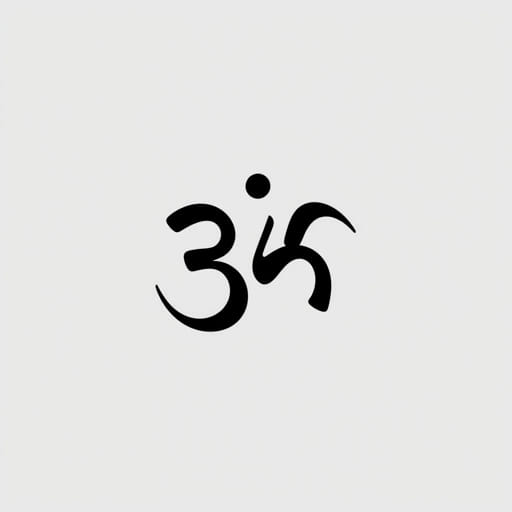
Across India and among Hindu communities worldwide, the phrase ‘Jai Shree Ram’ (written in Devanagari as à¤à¤ शà¥à¤°à¥ राम) holds powerful spiritual, cultural, and emotional significance. This phrase is much more than just a chant it’s an expression of devotion, a rallying cry of faith, and a symbol of connection to the ancient epic of Ramayana. Whether heard in temples, during religious processions, or even in casual conversations, Jai Shree Ram resonates with millions who honor Lord Rama as the embodiment of dharma, righteousness, and virtue.
Understanding the Phrase Jai Shree Ram
In its simplest translation, Jai Shree Ram means Victory to Lord Rama or Hail Lord Rama. Each word carries its own significance:
- Jai A Sanskrit word that means victory, triumph, or glory.
- Shree A respectful and auspicious title often added before divine names. It denotes beauty, prosperity, and sanctity.
- Ram Refers to Lord Rama, the seventh incarnation of the Hindu god Vishnu, and the central character of the Ramayana.
Written in the Devanagari script asà¤à¤ शà¥à¤°à¥ राम, the phrase is widely used in prayers, hymns, and religious gatherings. It represents both spiritual reverence and cultural identity for many Hindus around the world.
Devanagari Script and Its Importance
The Devanagari script is an ancient writing system primarily used for Sanskrit, Hindi, Marathi, and several other Indian languages. Its clear and structured form makes it suitable for expressing complex spiritual texts and mantras.
Writing Jai Shree Ram in Devanagari à¤à¤ शà¥à¤°à¥ राम adds depth to its devotional context. The beauty of this script connects the modern-day speaker to an ancient linguistic heritage, preserving the roots of tradition through sacred calligraphy and scriptural expression.
Why People Use the Phrase
There are several reasons why Jai Shree Ram is such a common and cherished phrase:
- Spiritual Devotion: It’s a way for devotees to express love and reverence for Lord Rama.
- Mantra for Meditation: Many use it as a chant during prayers, meditation, or yoga practice.
- Cultural Identity: In India, the phrase also resonates as a symbol of cultural pride and traditional values.
- Celebration and Unity: During festivals like Ram Navami or Dussehra, crowds enthusiastically chant Jai Shree Ram to honor Lord Rama’s life and deeds.
Lord Rama and His Significance
Lord Rama, the hero of the Ramayana, is celebrated for his unwavering commitment to truth, duty, and compassion. His life story teaches lessons about justice, family loyalty, and the importance of moral integrity. When people say Jai Shree Ram, they are not just recalling a mythological figure they are invoking the values that Lord Rama represents.
The Ramayana itself, originally composed in Sanskrit by the sage Valmiki, is one of the most influential texts in Indian literature. Rama’s devotion to his duties as a son, husband, and king makes him a timeless role model. The phrase à¤à¤ शà¥à¤°à¥ राम is often used to recall these virtues and to inspire similar values in daily life.
Jai Shree Ram in Religious Practices
Devotees frequently use Jai Shree Ram in the following settings:
- Temple rituals: Priests and devotees chant it while performing aarti (a devotional light ceremony).
- Kirtans and bhajans: Musical sessions of devotional singing often include this phrase.
- Festivals: Celebrations such as Diwali and Ram Navami prominently feature group chanting of Jai Shree Ram.
The use of the Devanagari version during such events enhances the authenticity and sacredness of the experience. Printed banners, posters, and even temple inscriptions often display à¤à¤ शà¥à¤°à¥ राम to maintain the traditional essence of these rituals.
The Phrase in Popular Culture and Society
Beyond religious use, Jai Shree Ram has also made its way into cultural discussions, literature, and even politics. While its origins are spiritual, its presence today can be found in films, songs, slogans, and social movements.
Still, it remains vital to remember its spiritual roots. At its heart, à¤à¤ शà¥à¤°à¥ राम is a celebration of righteousness, love for the divine, and the pursuit of moral living. Using it respectfully and in its true spirit reinforces its value across generations.
Global Recognition and Diaspora Connections
Hindu communities across the world from the United States and the UK to Mauritius, Fiji, and South Africa continue to embrace the tradition of chanting Jai Shree Ram. In these regions, temples and Hindu cultural centers often host Ramayana recitals and festivals where à¤à¤ शà¥à¤°à¥ राम is proudly displayed in Devanagari script.
This cross-border connection reinforces the universality of Lord Rama’s story and the timeless appeal of his teachings. The phrase bridges communities, cultures, and continents, serving as a spiritual anchor for Hindus around the globe.
Learning and Using the Phrase Respectfully
For those unfamiliar with Indian culture or the Devanagari script, learning how to read or write à¤à¤ शà¥à¤°à¥ राम can be a meaningful journey. Understanding the deeper layers of its meaning enhances its power as a mantra and a symbol of peace and virtue.
Here are a few ways people incorporate it into daily life:
- Displaying it on home altars or sacred spaces
- Using it in greeting cards or devotional texts
- Teaching it to children during cultural or religious education
- Including it in meditation or prayer routines
Even a simple act of writing it down can help internalize its spiritual significance. Many find that seeing the phrase written in Devanagari script à¤à¤ शà¥à¤°à¥ राम enhances their connection to the mantra’s origins and meaning.
Jai Shree Ram is more than just a phrase it is a call to goodness, a tribute to divine virtues, and a spiritual connection that transcends time and place. Written in Devanagari as à¤à¤ शà¥à¤°à¥ राम, it represents a rich blend of linguistic beauty, cultural tradition, and moral wisdom. Whether spoken aloud in celebration or quietly repeated in prayer, its resonance remains powerful and enduring.
For those seeking to connect more deeply with Hindu tradition, understanding this phrase in its original script offers a glimpse into the heart of devotional India. The spiritual, cultural, and emotional weight it carries ensures that à¤à¤ शà¥à¤°à¥ राम will continue to inspire, comfort, and unify believers around the world for generations to come.