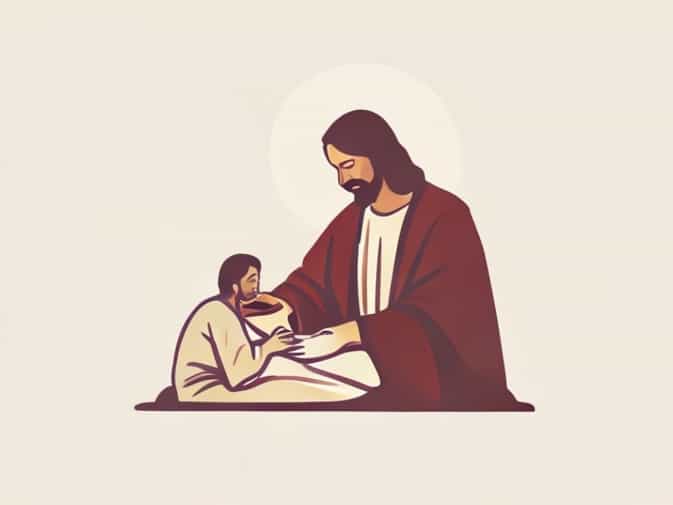
The accounts of Jesus healing the sick have remained some of the most memorable and meaningful stories told throughout centuries. Many people reflect on these stories not only as historical moments but also as lessons about compassion, faith, and hope. The idea that healing could come through faith and connection with something greater has influenced personal beliefs, daily practices, and spiritual teachings around the world. These moments, described in various passages and teachings, continue to offer comfort to those who seek emotional, spiritual, or physical healing in their everyday lives.
Understanding the Context of Jesus Heals the Sick
When we consider the phrase Jesus heals the sick, it refers to more than just physical cures. These stories demonstrate kindness, empathy, and a willingness to help those who felt forgotten or rejected by society. In many accounts, Jesus heals individuals who were considered outcasts, such as people with leprosy, blindness, paralysis, or chronic pain. His actions encouraged others to recognize the dignity and worth of every human life.
Compassion as the Foundation
One of the central themes in these stories is compassion. Jesus is often described as responding to those who were suffering with tenderness and care. The act of healing was not merely about eliminating illness; it was a demonstration of love, mercy, and inclusion. Those who witnessed his healing acts often felt inspired to care for one another in similar ways.
- Seeing the humanity in those who suffer
- Offering comfort without judgment
- Believing in the power of hope
- Encouraging others to care for the vulnerable
Faith and Healing
Another powerful message in these stories is the connection between faith and healing. In many moments, individuals approached Jesus because they believed he could help them. Their faith was part of their healing journey. Faith did not necessarily mean certainty or perfection; rather, it was often expressed in a simple willingness to trust and hope.
Examples of Faith in Action
Consider the story of the woman who had been suffering from chronic illness for many years. She reached out and touched Jesus’ garment, believing that she could be healed. This story illustrates that even small acts of faith can be meaningful. Jesus acknowledged her courage and affirmed that her faith had played a role in her recovery.
Another example involves friends who carried a paralyzed man to Jesus. They went so far as to lower him through a roof because the crowd was too large. Their determination reflects a deep sense of care and belief. These examples show how faith can be shared within communities and relationships.
Healing Beyond the Physical
Although the phrase Jesus heals the sick often refers to physical conditions, the stories also include emotional and spiritual healing. Many people who were healed felt a renewed sense of identity and belonging. They were restored not only in body but also in spirit.
Restoring Dignity
In a time when illness could isolate individuals from society, healing restored more than health. It restored connection. When Jesus welcomed and healed those who were isolated, it showed others that no one is beyond care. This message remains relevant today, reminding us to extend kindness to those who feel unseen or unvalued.
- Healing can offer emotional relief
- Renewed sense of belonging is part of recovery
- Spiritual connection contributes to inner peace
- Community support strengthens healing
The Role of Miracles
Many people think of healing miracles as extraordinary events. In the stories of Jesus, miracles often serve as signs of something greater the presence of compassion and the possibility of transformation. These events encourage individuals to believe that change is possible even in difficult circumstances.
Miracles as Messages
Miracles are not simply displays of power; they often carry meaning. They remind people to look beyond limitations and to believe that healing can happen in different ways. Whether through medical care, emotional support, or spiritual practice, healing can take many forms.
Lessons We Can Apply Today
The stories of Jesus healing the sick continue to influence daily life for many people. These lessons encourage us to be more patient, gentle, and loving with ourselves and others. They remind us that healing is not always immediate and that it may occur gradually.
Showing Compassion in Daily Life
Even small actions such as listening to someone who feels overwhelmed, offering encouragement, or reaching out to someone who feels alone can be forms of healing. These stories teach us that healing is not reserved for dramatic moments; it can unfold in quiet, everyday interactions.
- Offering kind words when someone is discouraged
- Being patient with those who struggle
- Supporting friends and family in difficult times
- Extending forgiveness and understanding
Faith, Hope, and Community
The healing stories often emphasize the importance of community. People helped one another reach out for healing. This reminds us that support networks matter. Whether within families, friendships, or faith communities, healing is strengthened when we do not face challenges alone.
Encouraging One Another
Sharing strength, hope, and compassion can make a meaningful difference. Encouragement can help others find peace, regain confidence, or approach their struggles with renewed courage. The teachings associated with Jesus healing the sick emphasize that every person has the capacity to uplift others.
The message found in the stories of Jesus healing the sick remains powerful compassion, faith, and connection can bring healing to the body, the heart, and the spirit. These stories are not only about extraordinary events but also about everyday acts of love and understanding. They remind us that healing can come in many forms and that kindness has the power to transform lives. By embracing these lessons, people continue to find comfort, strength, and encouragement in their own journeys toward wholeness.