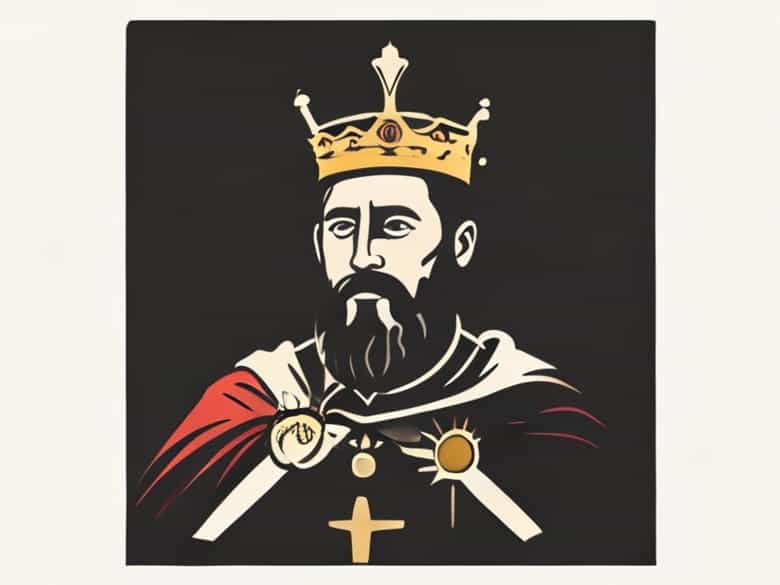
John, often referred to as the Phony King of England, is a historical figure whose reign has been the subject of much debate and controversy. Ascending to the throne in 1199, John’s rule is often remembered for political mismanagement, failed military campaigns, and disputes with the nobility that eventually led to the signing of the Magna Carta in 1215. Despite being a legitimate heir to the throne, his reputation among historians and the public has been largely negative, earning him the label of phony in certain narratives that emphasize his weaknesses as a king. Understanding John’s life, the challenges he faced, and the decisions he made provides insight into the complexities of medieval monarchy and the reasons behind his controversial legacy.
Early Life and Ascension to the Throne
John was born on December 24, 1166, to King Henry II of England and Eleanor of Aquitaine. He was the youngest of their children, which initially placed him at a disadvantage in terms of inheritance and political influence. Despite this, John was ambitious and sought opportunities to assert his authority within the Angevin Empire. His early life was marked by familial conflicts, including rebellions led by his older brothers and disputes over inheritance, which helped shape his understanding of power and authority. When his brother Richard the Lionheart died in 1199, John ascended to the English throne, inheriting a realm with vast territories in England, Normandy, and other parts of France.
Challenges Upon Taking the Throne
John’s ascension was immediately met with challenges. He faced threats from both internal and external forces, including rival claimants to the throne and discontent among the English barons. Additionally, maintaining control over the French territories that had been secured by his father and brother proved difficult. These pressures demanded political acumen and military skill, areas in which John often struggled. The perception of him as a phony king stems partly from his inability to command the same respect and loyalty that his predecessors had enjoyed, leading to a reign characterized by instability and mistrust.
Political Missteps and Conflicts
King John’s reign was marked by numerous political conflicts and missteps that undermined his authority. He frequently clashed with the nobility, imposing heavy taxes and demanding loyalty while failing to provide effective leadership or protection. His disputes with powerful barons escalated into open rebellion, weakening the cohesion of the English kingdom. John’s style of rule, often seen as arbitrary and self-serving, alienated many of his supporters and contributed to his reputation as a king who lacked genuine authority or legitimacy in the eyes of his subjects.
Disputes with the Church
Another major challenge during John’s reign was his conflict with the Catholic Church. In 1205, John rejected the election of Stephen Langton as Archbishop of Canterbury, leading to a long-standing dispute with Pope Innocent III. The pope responded by placing England under interdict, suspending religious services and sacraments, which further weakened John’s standing with his people. This conflict highlighted John’s difficulties in balancing secular and religious authority and reinforced perceptions of him as a ruler unable to manage the political and spiritual needs of his kingdom effectively.
Military Failures
King John’s military record is often cited as a key factor in his negative legacy. He faced repeated failures in defending English territories in France, ultimately losing Normandy and other critical regions to the French crown. These losses were a blow to national pride and diminished his reputation among both the nobility and the general population. Military incompetence, combined with harsh taxation to fund campaigns, further fueled discontent and contributed to the growing perception of John as a weak and ineffective ruler, reinforcing the notion of him as the phony king.
The Magna Carta
Perhaps the most famous event of John’s reign was the signing of the Magna Carta in 1215. Faced with rebellion from his barons, John was forced to agree to a document that limited royal authority and guaranteed certain rights to the nobility. The Magna Carta is often seen as a pivotal moment in the development of constitutional governance, and John’s reluctant consent reflected both his vulnerabilities as a monarch and the power of the nobility. While intended to curb his excesses, the charter also cemented John’s historical image as a king whose authority had been challenged and diminished.
Personal Traits and Reputation
John’s personal traits and behavior contributed to his controversial reputation. Historical accounts depict him as impulsive, vindictive, and prone to suspicion, qualities that alienated allies and undermined his rule. Chroniclers of the time criticized his deceit, favoritism, and willingness to break agreements, which earned him the label of a phony or insincere king. While some modern historians argue that his failures were partly due to the difficult political and military context of the time, the enduring narrative of John as an ineffective and untrustworthy ruler remains prevalent in popular culture and historical discourse.
Legacy and Historical Assessment
King John’s legacy is complex and multifaceted. On one hand, his reign was marked by political instability, military losses, and disputes with the Church and nobility. On the other hand, the challenges he faced and the reforms imposed upon him, such as the Magna Carta, have had lasting significance in the development of English law and governance. While often remembered as the Phony King of England, John’s reign also provides important lessons about the limits of power, the role of leadership, and the consequences of mismanagement in medieval monarchy.
Cultural Representations
King John has been depicted in literature, drama, and popular culture, often emphasizing his negative traits. Notable portrayals include his appearances in plays like Shakespeare’s historical works, where he is characterized as deceitful and tyrannical. These cultural representations have reinforced the popular perception of John as a king who lacked legitimacy and competence. Despite these portrayals, some historians have revisited his reign to provide a more nuanced understanding, highlighting the complex political and social environment in which he ruled.
Lessons from John’s Reign
John’s reign offers valuable lessons for understanding leadership, governance, and historical context. His failures illustrate the consequences of alienating key stakeholders, neglecting political alliances, and mismanaging resources. At the same time, his reign highlights the resilience of institutions like the English barons and the Church, which were able to exert influence and shape governance despite royal authority. Studying John’s reign provides insight into the dynamics of medieval monarchy and the enduring impact of leadership decisions on history.
John, the so-called Phony King of England, remains one of the most controversial monarchs in English history. His reign was characterized by political strife, military setbacks, disputes with the Church, and tensions with the nobility. While his personal traits and failures contributed to his negative reputation, his reign also had lasting implications, particularly through the Magna Carta, which limited royal power and laid the groundwork for constitutional governance. Understanding John’s life and rule provides a richer perspective on medieval England, illustrating both the challenges of monarchy and the complex legacy of a king whose authority was constantly tested. Despite his shortcomings, John’s reign is an essential chapter in the history of England, offering lessons in leadership, resilience, and the consequences of political and personal decisions.