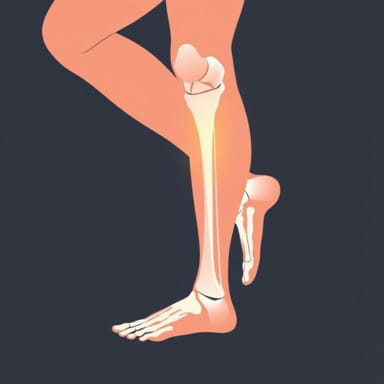
Medial Tibial Stress Syndrome (MTSS), commonly known as shin splints, is a frequent overuse injury that affects athletes, particularly runners, dancers, and military personnel. This condition manifests as pain along the inner edge of the tibia, the large bone in the lower leg. Understanding MTSS is crucial for prevention, diagnosis, and treatment, helping affected individuals return to their activities safely. The Journal of Orthopaedic & Sports Physical Therapy (JOSPT) provides valuable insights into the etiology, clinical presentation, and rehabilitation of MTSS, aiding clinicians and patients alike.
Understanding Medial Tibial Stress Syndrome (MTSS)
MTSS is characterized by pain caused by repetitive stress on the tibia and its surrounding structures, often linked to overuse and mechanical overload. The syndrome is believed to involve inflammation of the periosteum (the tissue surrounding the bone) or stress reactions within the tibial cortex. It typically occurs in physically active individuals who increase training intensity, frequency, or duration too quickly.
Common Symptoms of MTSS
- Diffuse, aching pain along the distal two-thirds of the posteromedial tibia
- Pain that worsens during or after exercise
- Tenderness when pressing on the affected area
- Possible mild swelling
Symptoms generally develop gradually and may improve with rest but return upon resuming activity. Recognizing early signs is essential to avoid progression to more serious stress fractures.
Risk Factors and Causes
Several intrinsic and extrinsic factors contribute to the development of MTSS. JOSPT highlights the importance of biomechanical and training-related influences in this condition.
Intrinsic Factors
- Overpronation or excessive foot flattening during gait
- Muscle imbalances, especially weak calf muscles and tightness in the posterior chain
- High body mass index (BMI)
- Previous history of lower limb injuries
- Leg length discrepancies
Extrinsic Factors
- Sudden increase in running mileage or intensity
- Running on hard or uneven surfaces
- Inadequate footwear or worn-out shoes
- Poor training techniques or lack of proper warm-up
Identifying and modifying these risk factors plays a vital role in both prevention and treatment.
Diagnosis and Assessment
Diagnosis of MTSS is primarily clinical, based on history and physical examination. Imaging is usually reserved for ruling out other conditions such as stress fractures.
Clinical Examination
- Palpation along the posteromedial tibia to identify areas of tenderness
- Assessment of foot mechanics and gait analysis
- Evaluation of muscle flexibility and strength
- Screening for differential diagnoses like compartment syndrome or nerve entrapment
Imaging
While X-rays are often normal in MTSS cases, they help exclude fractures. MRI and bone scans can detect stress reactions or fractures if symptoms are severe or persistent.
Treatment Approaches Recommended by JOSPT
Effective management of MTSS focuses on relieving pain, correcting biomechanical faults, and gradually returning to activity. JOSPT emphasizes an individualized, multidisciplinary approach.
Rest and Activity Modification
Initial treatment involves reducing or stopping activities that cause pain. Cross-training with low-impact exercises like swimming or cycling can maintain fitness without aggravating symptoms.
Physical Therapy
- Stretching exercises targeting calf muscles and Achilles tendon to reduce tightness
- Strengthening exercises for the lower leg muscles, particularly the tibialis posterior, soleus, and intrinsic foot muscles
- Gait retraining to correct abnormal foot mechanics
- Manual therapy techniques to improve soft tissue mobility
Orthotics and Footwear
Custom or prefabricated orthotics may help control overpronation and reduce tibial stress. Proper footwear with adequate cushioning and support is also essential.
Modalities
JOSPT reviews suggest modalities such as ice application to reduce inflammation and pain. Other treatments like shockwave therapy have shown promise but require further research.
Prevention Strategies
Prevention is key to reducing the incidence of MTSS among athletes and active individuals. Strategies include
- Gradual progression in training intensity and volume
- Incorporating strength and flexibility programs targeting lower limb muscles
- Using appropriate footwear and replacing worn-out shoes regularly
- Running on softer, even surfaces whenever possible
- Regular biomechanical assessments and gait analysis
When to Seek Further Medical Attention
If symptoms persist despite conservative management, or if pain worsens and limits daily activities, further medical evaluation is warranted. Persistent pain could indicate progression to a stress fracture or other complications. Referral to a specialist for advanced imaging or surgical consultation may be necessary in rare cases.
Medial Tibial Stress Syndrome is a common but manageable condition affecting many athletes and active individuals. Insights from the Journal of Orthopaedic & Sports Physical Therapy highlight the importance of a thorough clinical assessment and individualized treatment plan. Addressing biomechanical factors, modifying training routines, and implementing targeted rehabilitation are central to successful recovery. Understanding MTSS helps prevent complications and ensures a safe return to physical activity, promoting long-term lower limb health.