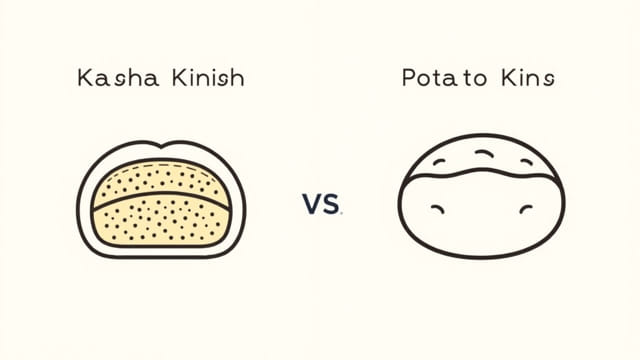
Knishes are a beloved traditional snack in Jewish cuisine, offering a satisfying blend of dough and flavorful filling. Among the many varieties available, two popular types stand out: kasha knish and potato knish. While both share a common form, their fillings, tastes, and textures differ significantly. Understanding these differences helps knish enthusiasts appreciate each version’s unique qualities and decide which suits their palate best. Both kasha knishes and potato knishes carry cultural and culinary significance, making them staples in many delis and homes alike.
What Is a Knish?
A knish is a baked or fried pastry consisting of a thin dough wrapped around a savory filling. Originating from Eastern European Jewish communities, knishes have become a classic comfort food in many parts of the world, especially in New York City’s Jewish delis. They are often enjoyed as a snack or light meal and can be filled with various ingredients ranging from vegetables to meats.
The Dough
The dough for both kasha knish and potato knish typically shares the same basic ingredients: flour, water, eggs, and sometimes oil or shortening. This dough is rolled out thinly, filled with the chosen stuffing, and then either baked or fried to golden perfection. The dough’s slightly chewy but tender texture complements the hearty fillings, creating a balanced bite.
Kasha Knish: The Buckwheat Delight
Kasha knish gets its name from the main filling ingredient: kasha, which is roasted buckwheat groats. Kasha is popular in Eastern European cooking and is especially valued in Jewish cuisine for its nutty flavor and nutritional benefits. The roasting process gives buckwheat a distinctive smoky taste that shines in the knish filling.
Ingredients and Preparation
- Kasha: Roasted buckwheat is cooked until tender, often combined with onions sautéed in oil or schmaltz (chicken fat) for extra richness.
- Onions: Caramelized onions add sweetness and depth to the filling.
- Seasonings: Salt, pepper, and sometimes garlic or herbs enhance the flavor.
- Optional Additions: Some recipes include mushrooms or other vegetables for added texture and taste.
The filling is typically thick and grainy with a robust earthy flavor profile. Kasha knish offers a somewhat dense texture and a savory bite, making it ideal for those who enjoy whole grains and hearty dishes.
Nutritional Benefits
Kasha is a good source of fiber, protein, and important minerals like magnesium and manganese. It is also gluten-free, which can be an advantage for people with gluten sensitivities (though the knish dough itself usually contains gluten). Compared to other fillings, kasha is relatively low in calories and fats but high in nutrients.
Potato Knish: The Classic Comfort
Potato knish is arguably the most iconic and widely recognized knish variety. Its filling consists of mashed or diced potatoes mixed with onions and seasoning, wrapped in the same dough and baked or fried until golden. Potato knishes have a soft, creamy interior with a slightly crispy shell, making them a comforting favorite.
Ingredients and Preparation
- Potatoes: Typically starchy potatoes like Russets are boiled and mashed to a smooth or slightly chunky consistency.
- Onions: Fried or sautéed onions blend with the potatoes to add sweetness and aroma.
- Seasonings: Salt, pepper, and sometimes garlic powder or paprika are added for flavor.
- Optional Additions: Some recipes add sour cream, butter, or herbs to enrich the filling.
The potato filling is creamy and mild, offering a neutral taste that pairs well with various condiments, including mustard or sour cream. Its soft texture contrasts nicely with the slightly chewy dough, making potato knish a favorite comfort food.
Nutritional Information
Potato knishes tend to be more calorie-dense than kasha knishes due to the higher carbohydrate content of potatoes and the addition of fats like butter. Potatoes are a good source of vitamin C, potassium, and fiber, but they have a higher glycemic index than buckwheat. Potato knishes can be more filling and hearty, which is why they are often enjoyed as a snack or meal replacement.
Comparing Kasha Knish and Potato Knish
While both knishes share a similar outer dough, their fillings make them distinct in taste, texture, and nutritional value. Here’s a closer look at the key differences and similarities:
Flavor Profile
- Kasha Knish: Offers a nutty, earthy, and slightly smoky flavor thanks to roasted buckwheat. It is savory but has more complexity due to the whole grain texture.
- Potato Knish: Mild, creamy, and comforting with a smooth texture. It carries a classic potato flavor, enhanced by onions and seasoning.
Texture
- Kasha Knish: Denser and grainier with some chewiness from the buckwheat groats.
- Potato Knish: Softer and creamier inside, with a smooth mash that contrasts with the pastry shell.
Nutritional Considerations
- Kasha Knish: Higher in fiber and protein, with beneficial minerals and a lower glycemic index.
- Potato Knish: Higher in carbohydrates and calories, providing more immediate energy but a higher glycemic load.
Cultural and Traditional Value
Both knishes hold important places in Jewish culinary traditions. Potato knishes are often viewed as the quintessential Jewish snack, especially in American Jewish communities, while kasha knishes highlight the Eastern European roots of Jewish cooking, connecting to more traditional ingredients and methods.
Serving Suggestions and Pairings
Both kasha and potato knishes are versatile and can be enjoyed in many ways. Traditionally, they are served warm, either as snacks or alongside main dishes.
- Condiments: Mustard, sour cream, or horseradish complement the flavors well.
- Side Dishes: They pair nicely with soups such as borscht or chicken soup.
- Beverages: A hot cup of tea or coffee balances the hearty nature of knishes.
Making Your Choice
Choosing between kasha knish and potato knish ultimately comes down to personal taste and dietary preferences. If you prefer a heartier, nuttier flavor with a bit more texture and nutritional benefits, kasha knish is an excellent choice. On the other hand, if you seek a creamy, mild, and classic comfort food experience, potato knish will likely satisfy your craving.
For those who enjoy variety, trying both knishes is the best way to appreciate their unique qualities and the rich cultural heritage behind them. Many delis offer both options, and sampling each can broaden one’s understanding of Jewish culinary traditions.
Kasha knish and potato knish, while similar in form, offer distinctly different culinary experiences. The nutty, wholesome taste of kasha knish contrasts with the creamy, comforting flavor of potato knish, making each special in its own right. Both have stood the test of time as beloved Jewish foods, enjoyed by generations for their delicious taste and cultural significance.
Whether you’re a longtime fan or new to knishes, exploring the differences between these two varieties enhances your appreciation of Jewish cuisine. Whichever knish you choose, you’re sure to enjoy a satisfying, flavorful bite of tradition.