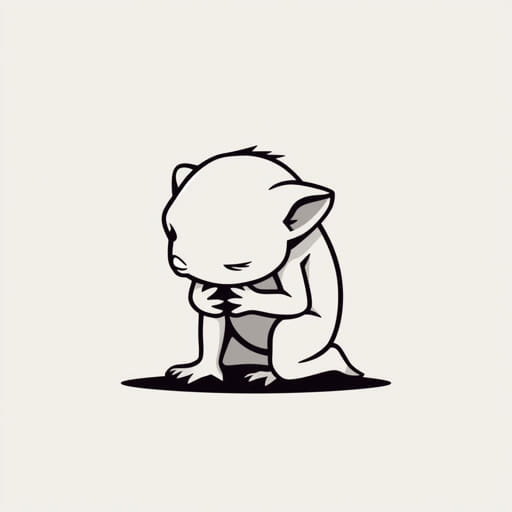
In the world of Dungeons & Dragons, kobolds are small reptilian humanoids known for their cowardice, trickery, and devotion to dragons. These creatures may be physically weak, but they are crafty and often act in groups to outsmart their enemies. One of the most unique and widely recognized features of kobolds in gameplay is their ability called Grovel, Cower, and Beg. This mechanic, introduced in official D&D rules, offers both comic relief and strategic value in combat. By looking closely at this ability and its role in kobold behavior and encounters, players and Dungeon Masters alike can better understand how to incorporate kobolds into their campaigns for maximum effect.
Understanding the Kobold
Origins and Lore
Kobolds have been part of Dungeons & Dragons lore since the earliest editions. Inspired by European folklore and fantasy traditions, kobolds are often portrayed as weak but cunning. In D&D, they serve powerful dragons and often build complex trap-laden lairs to defend themselves. Despite their meager physical strength, they use numbers, traps, and deceit to overwhelm stronger enemies.
Kobolds are deeply hierarchical and value survival above all. This is reflected not only in their society but in their combat abilities, particularly the Grovel, Cower, and Beg feature that highlights their tendency to avoid confrontation when possible.
Physical and Behavioral Traits
Kobolds are typically around 2 to 3 feet tall, with scaled skin, long snouts, and glowing eyes. They often wield simple weapons and rely on ambush tactics. Cowardice isn’t just a personality trait it’s a survival mechanism. This trait is cleverly turned into a mechanical advantage through specific racial features.
Grovel, Cower, and Beg: An Overview
Rules and Mechanics
In 5th Edition D&D, kobolds are featured as playable characters in Volo’s Guide to Monsters. One of their racial traits is the action Grovel, Cower, and Beg, which functions as follows:
- Action: As an action on their turn, a kobold can grovel in fear.
- Effect: Until the end of the kobold’s next turn, allies gain advantage on attack rolls against enemies within 10 feet of the kobold.
- Usage: This action can be used once per short or long rest.
This ability, while humorous in name, is surprisingly effective in combat, especially when used in synergy with other party members. It exemplifies how kobolds may not be brave warriors, but they can still support their group through unconventional tactics.
Strategic Applications in Gameplay
Grovel, Cower, and Beg may appear to be a purely comedic or roleplaying mechanic, but it has genuine tactical value. It allows a kobold to manipulate the battlefield and support allies by drawing attention and making enemies more vulnerable to attacks.
Some strategic uses include:
- Drawing Enemy Focus: By placing themselves near opponents and using the ability, kobolds can make their allies’ attacks more likely to succeed.
- Combat Support Role: In a party, a kobold can fulfill a support role without needing powerful spells or items.
- Breaking the Initiative: During the opening of a battle, using this feature can set the tone for a quick advantage in damage output.
Roleplaying the Action
Adding Flavor to Combat
This feature isn’t just a combat mechanic it’s a storytelling opportunity. Players can describe how their kobold throws themselves on the ground, cries out, or stutters pitifully, all while secretly supporting their allies. Dungeon Masters can enhance this by having enemies hesitate, laugh, or mock the kobold, further enriching the roleplaying experience.
Sample roleplaying lines might include:
- Please don’t hurt me! I’m too small to die!
- I’ll clean your boots if you let me go!
- Oh mighty warrior, have mercy on this humble kobold!
These moments can provide comic relief during tense encounters and help develop a kobold character’s personality.
Building a Kobold Character Around It
For players who choose to play a kobold character, this ability can shape the entire character concept. A kobold bard or rogue might use Grovel, Cower, and Beg as part of their trickster persona, while a kobold cleric might pretend to beg only to deliver divine wrath after weakening the enemy.
Combining this action with illusion spells, smoke bombs, or trap-setting can lead to creative and memorable encounters. It gives players the freedom to be both cowardly and clever.
Enemy Kobolds Using the Ability
Dungeon Master Tactics
When running a game as a Dungeon Master, including kobolds that use Grovel, Cower, and Beg can shift how players perceive these usually low-threat creatures. Instead of mindless cannon fodder, kobolds become tactical nuisances that boost each other and frustrate the party.
Consider scenarios like:
- A kobold using the ability while others attack from above.
- Combining it with traps to amplify chaos.
- A kobold boss commanding its minions to grovel to confuse and distract the players.
These situations force players to think tactically and avoid underestimating kobolds simply due to their size and reputation.
Scaling Kobold Encounters
As parties level up, kobolds can remain relevant if they are used in clever ways. Adding spellcasting, enhanced traps, or mixing in stronger monsters with kobolds can create dynamic encounters. When kobolds use Grovel, Cower, and Beg at just the right moment, even veteran players may be caught off guard.
Why Kobolds Are Memorable
Unique Flavor in the Game World
Kobolds have a distinct personality that sets them apart from other low-level enemies. Their worship of dragons, use of clever traps, and reliance on teamwork make them feel more alive than many other fantasy creatures. Grovel, Cower, and Beg emphasizes this flavor by turning weakness into an advantage.
A Blend of Humor and Tactics
One of the reasons kobolds and their abilities like Grovel, Cower, and Beg are beloved is because they mix humor with strategy. They’re not just funny they’re useful. They remind players that strength isn’t always physical and that intelligence and cooperation can often win the day.
Grovel, Cower, and Beg perfectly captures the spirit of kobolds in Dungeons & Dragons. It highlights their fear-driven nature, their devotion to teamwork, and their willingness to use any means necessary to survive. Whether you’re a player looking to roleplay a cunning kobold or a Dungeon Master crafting an encounter full of mischievous reptilian foes, this ability offers both flavor and function. Kobolds prove that even the smallest creatures can have the biggest impact especially when they hit the ground, whimper, and make the whole battlefield work in their favor.