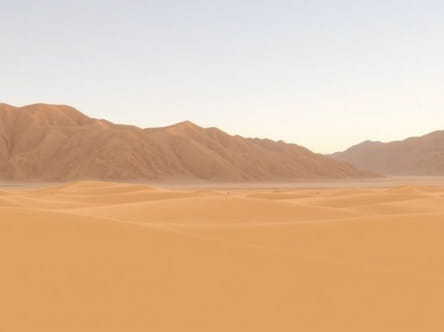
Situated in the northernmost part of India, the Ladakh desert is a high-altitude cold desert known for its stark landscapes, snow-capped mountains, and unique cultural heritage. Despite its extreme climate and barren terrain, the region has been inhabited for centuries by resilient communities who have adapted to its harsh conditions. The people who live in the Ladakh desert maintain a strong connection to their environment, culture, and traditions, forming a unique human landscape in this remote part of the world.
Geographical Setting of Ladakh Desert
Location and Climate
The Ladakh desert lies between the Kunlun mountain range in the north and the main Himalayas in the south. It is part of the Union Territory of Ladakh in India, which was formerly a region of the state of Jammu and Kashmir. The region receives very little rainfall, making it a cold desert due to its elevation and rain shadow effect caused by the surrounding mountains.
Temperatures in Ladakh can fall well below freezing in winter, and summers are short and relatively mild. The desert is characterized by vast stretches of barren land, rocky outcrops, high mountain passes, and a few river valleys, such as the Indus River, which supports limited vegetation and settlements.
The Main Inhabitants of the Ladakh Desert
Ethnic Groups in Ladakh
Ladakh is primarily inhabited by two main ethnic communities the Ladakhi Buddhists and the Shia Muslims, particularly the Balti people. These communities have lived in harmony for generations, preserving distinct cultural and religious traditions while coexisting in a challenging environment.
- Ladakhi BuddhistsMost Ladakhi Buddhists belong to the Tibetan ethnic group. They follow Tibetan Buddhism and are concentrated in areas such as Leh, the capital of Ladakh. Monasteries, or gompas, play an essential role in their spiritual and cultural life.
- Shia MuslimsThe Shia Muslims, especially the Baltis, are mainly found in the Kargil region. They follow the Shia sect of Islam and have cultural links to Central Asia and the Tibetan plateau.
Nomadic Tribes and Pastoralists
Apart from settled communities, the Ladakh desert is also home to nomadic tribes such as the Changpas. The Changpa are Tibetan-speaking nomads who primarily inhabit the Changthang plateau near the Indo-Tibetan border. They are known for their skill in pastoralism, particularly the rearing of yaks, sheep, and the prized pashmina goats that produce world-renowned wool.
These nomadic people live in temporary settlements and move with the seasons, following traditional grazing routes that their ancestors have used for centuries. Their way of life is deeply intertwined with the fragile ecosystem of the desert and represents a sustainable model of living in balance with nature.
Cultural Aspects of Ladakh’s Inhabitants
Religion and Spiritual Practices
Religion is a central aspect of life in the Ladakh desert. Tibetan Buddhism is deeply rooted in the region, evident in the presence of colorful monasteries such as Hemis, Thiksey, and Diskit. Prayer flags flutter in the wind, and prayer wheels are spun by locals and pilgrims alike as a form of devotion and meditation.
In contrast, the Kargil region is dominated by Islamic culture, where mosques and madrasas serve as religious and educational centers. Religious festivals, whether Buddhist or Muslim, are important social occasions that bring communities together through dance, music, and ritual.
Language and Traditions
The people of Ladakh speak Ladakhi, which is closely related to Tibetan. In Muslim-majority areas, Balti and Urdu are also spoken. Traditional dress in Ladakh reflects both practical needs and cultural expression. For example, the goncha’ is a woolen robe worn by men and women, often accessorized with jewelry and headgear that indicate social and religious status.
Festivals such as Losar (Tibetan New Year), Hemis Festival, and Eid are celebrated with great enthusiasm. These events are more than religious observances; they are expressions of communal identity and resilience in the face of isolation and hardship.
Economy and Livelihoods in Ladakh
Agriculture and Animal Husbandry
Despite the arid climate, agriculture is practiced in the Ladakh desert through the use of ingenious irrigation systems known as zings’ and glacial meltwater. Barley, wheat, and peas are commonly grown. Households often maintain kitchen gardens with hardy vegetables.
Animal husbandry is equally important. Yaks, dzos (a hybrid of yak and cow), sheep, and goats provide meat, milk, wool, and transportation. Pashmina wool, derived from high-altitude goats, is a key economic resource and is exported worldwide as a luxury product.
Trade and Tourism
Historically, Ladakh was part of ancient trade routes connecting Central Asia, Tibet, and India. Today, tourism plays a significant role in the local economy. Trekkers, spiritual tourists, and cultural enthusiasts are drawn to the desert’s dramatic scenery and rich traditions. Homestays, eco-tourism, and artisanal crafts provide alternative incomes for local families.
Adapting to Harsh Conditions
Architecture and Settlements
The architecture of Ladakh reflects adaptation to its climate. Homes are made of mud bricks and have thick walls to retain heat in winter. Flat roofs allow for the drying of food and fuel. Villages are often clustered near water sources and have communal storage systems for grain and fodder.
Community Cooperation
Life in the Ladakh desert requires a strong sense of community. Water is shared through rotational irrigation systems, and labor-intensive tasks like harvesting are often done cooperatively. Social structures are tightly knit, with families depending on extended networks for survival and celebration alike.
Modern Changes and Challenges
Impact of Climate Change
Climate change is affecting traditional life in Ladakh. Glaciers are retreating, water availability is becoming more unpredictable, and extreme weather events are increasing. These changes threaten agriculture, livestock, and infrastructure. The fragile balance that has sustained human life in the region for generations is now under pressure.
Infrastructure and Development
Recent development, including roads, telecommunications, and military infrastructure, has improved access and connectivity in Ladakh. However, these changes also bring challenges such as increased tourism, waste management issues, and cultural dilution. Sustainable development that respects local ways of life is essential for the long-term well-being of the region.
The Ladakh desert is mainly inhabited by Tibetan Buddhists, Shia Muslims, and nomadic pastoralists like the Changpa. Despite living in one of the most inhospitable environments on Earth, these communities have built vibrant, self-reliant societies rooted in tradition, cooperation, and resilience. As Ladakh continues to evolve, preserving its cultural identity and environmental balance will be crucial. Understanding who inhabits the Ladakh desert and how they live offers valuable insight into the power of human adaptation and the richness of life in even the most unlikely places.