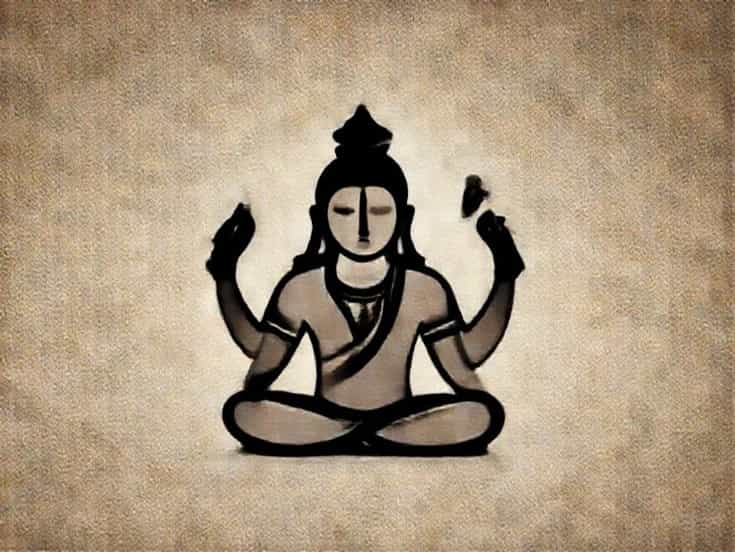
Mahashivratri is one of the most significant festivals celebrated by Hindus across India and other parts of the world. It is dedicated to Lord Shiva, one of the principal deities in Hinduism, who represents destruction and transformation, and is also revered as the supreme ascetic and cosmic dancer. The festival holds immense spiritual importance, as devotees believe that worshipping Lord Shiva on this day brings blessings, prosperity, and liberation from sins. Celebrated with great devotion and enthusiasm, Mahashivratri is marked by night-long vigils, fasting, chanting of mantras, and special prayers. Understanding why we celebrate Mahashivratri requires exploring its religious, cultural, and mythological significance.
Religious Significance of Mahashivratri
Mahashivratri, which translates to the Great Night of Shiva, is considered an auspicious day in Hinduism. Devotees believe that on this night, Lord Shiva performs the cosmic dance of creation, preservation, and destruction known as the Tandava. Observing Mahashivratri with devotion is believed to bring spiritual growth, inner peace, and divine blessings. The festival is also a time for introspection, meditation, and self-purification, as devotees engage in prayers and rituals to honor Lord Shiva’s powers and virtues.
The Legend Behind Mahashivratri
Several legends explain why Mahashivratri is celebrated. One popular story tells of the marriage of Lord Shiva and Goddess Parvati. According to mythology, this divine union took place on the night of Mahashivratri, symbolizing the eternal bond between the divine masculine and feminine energies. Devotees celebrate this union by offering prayers, performing rituals, and fasting to seek marital bliss, harmony, and spiritual growth.
Another legend associates Mahashivratri with the churning of the ocean (Samudra Manthan). During this cosmic event, a deadly poison emerged that could have destroyed the world. Lord Shiva consumed the poison to protect creation, holding it in his throat, which turned blue. This act of selflessness and protection is commemorated during Mahashivratri, as devotees honor Lord Shiva for his compassion and courage.
Rituals and Traditions
Mahashivratri is celebrated with a combination of spiritual practices and traditional rituals. Devotees often visit temples, especially those dedicated to Lord Shiva, to perform special pujas and offer prayers. The main rituals include bathing the Shiva Linga with milk, water, honey, and other sacred items, symbolizing purification and devotion. Chanting mantras like Om Namah Shivaya is an essential part of the celebration, believed to invoke Lord Shiva’s blessings and positive energy.
Fasting and Night Vigil
Fasting is a crucial aspect of Mahashivratri observance. Devotees abstain from food or eat only specific foods, such as fruits, milk, and nuts, to purify the body and mind. The fast is considered a form of spiritual discipline, helping devotees focus on meditation and prayers. The night of Mahashivratri is often spent in a vigil, known as jagaran, where devotees stay awake and meditate, reflecting on Lord Shiva’s teachings and seeking his divine grace.
Offerings and Devotional Practices
During Mahashivratri, devotees offer various items to the Shiva Linga, each holding symbolic significance. Common offerings include
- Bilva leaves, representing purity and devotion.
- Milk and water, symbolizing cleansing and renewal.
- Fruits and sweets, as a token of gratitude and reverence.
- Incense and lamps, signifying the removal of darkness and ignorance.
These offerings are accompanied by prayers and hymns that celebrate Lord Shiva’s attributes as the protector, destroyer of evil, and supreme ascetic.
Cultural Importance of Mahashivratri
Mahashivratri is not only a religious observance but also a cultural celebration that unites communities. Temples organize special events, including devotional music, dances, and storytelling sessions that narrate Lord Shiva’s legends. The festival encourages social harmony, as people come together to participate in rituals, share food, and engage in charitable activities. In many regions, fairs and cultural programs are organized, adding a festive atmosphere while emphasizing the spiritual significance of the day.
Spiritual Practices and Meditation
Meditation plays a central role in Mahashivratri observances. Devotees focus on Lord Shiva’s form, chant mantras, and engage in introspection to cleanse their minds of negativity and achieve spiritual growth. This practice aligns with Shiva’s role as the lord of meditation and asceticism. Many devotees believe that sincere meditation and prayers on Mahashivratri can lead to self-realization, inner peace, and liberation from the cycle of birth and death.
Global Celebrations
While Mahashivratri is predominantly celebrated in India, its observance has spread to other countries with Hindu communities. Temples and cultural organizations in countries such as Nepal, Mauritius, Indonesia, and the United States organize events to honor Lord Shiva. Devotees follow traditional rituals, participate in group prayers, and perform cultural programs that highlight the festival’s significance. This global celebration fosters a sense of unity among Hindus worldwide and preserves the rich heritage associated with Mahashivratri.
Significance for Personal Growth
Beyond religious devotion, Mahashivratri offers an opportunity for personal reflection and growth. Observing the festival encourages mindfulness, discipline, and compassion. Devotees use this time to forgive, let go of negativity, and cultivate virtues such as patience and humility. The rituals, fasting, and meditation serve as tools for spiritual development, reinforcing the idea that Mahashivratri is not just a festival of external celebration but also a journey of inner transformation.
Mahashivratri is celebrated to honor Lord Shiva, reflecting his divine qualities and teachings. The festival is a blend of religious devotion, cultural traditions, and spiritual practices that emphasize purification, meditation, and moral growth. From fasting and night-long vigils to temple rituals and community celebrations, Mahashivratri provides an opportunity for devotees to connect deeply with Lord Shiva, seek blessings, and strive for inner peace. It is a festival that transcends time and geography, reminding people of the importance of faith, discipline, and devotion. Celebrating Mahashivratri is not only a tribute to the divine but also a means to nurture spiritual awareness and personal transformation in everyday life.