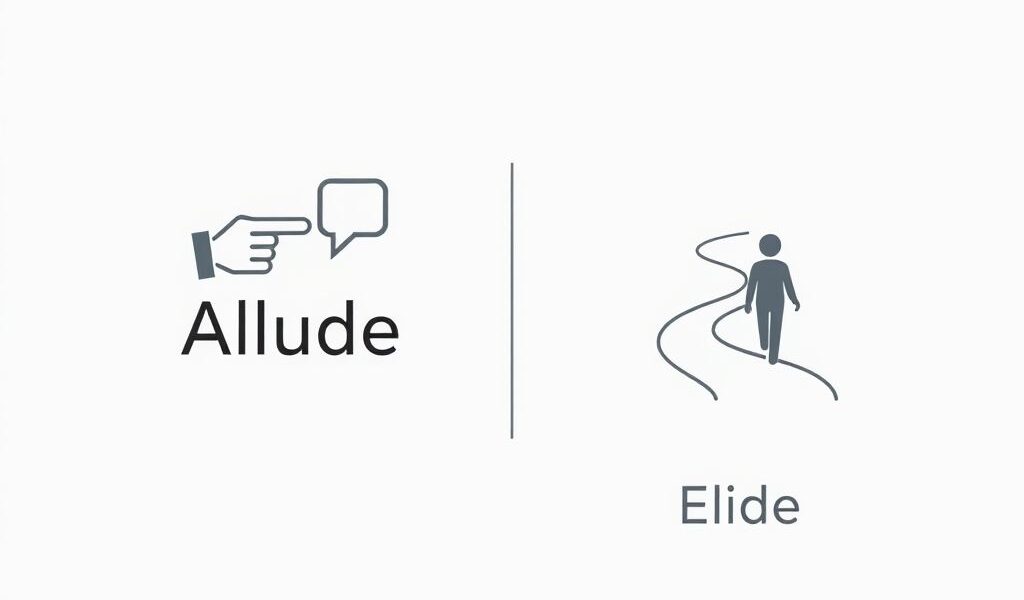
The English language can sometimes be confusing, especially when it comes to words that sound similar but have different meanings. Two such words arealludeandelude. These words are often misused because they not only sound alike but also relate to entirely different contexts. Understanding the correct usage of these terms is essential for clear and precise communication. Both words come from Latin roots but have evolved to carry distinct meanings in modern English. Let’s explore their definitions, differences, and practical examples to help you use them correctly.
Understanding the Meaning of Allude
The wordalludeis a verb that means to refer to something indirectly or make a casual reference without explicitly stating it. When you allude to something, you are hinting at it rather than mentioning it outright. The term often appears in formal writing, literature, and speeches where subtle references are common.
Examples of Allude in Sentences
- The teacher alluded to the upcoming test but did not give any specific details.
- In his speech, the president alluded to the challenges faced by the economy without mentioning any country by name.
- The novel alludes to historical events that shaped the character’s journey.
Common Uses of Allude
Writers and speakers often usealludewhen they want to make connections without being too direct. It is frequently used in:
- Literary works: Authors allude to famous texts or myths to create depth.
- Political speeches: Leaders allude to sensitive issues subtly.
- Everyday conversations: People allude to shared experiences without stating them clearly.
Understanding the Meaning of Elude
The wordeludemeans to escape or avoid something, often in a clever or skillful way. It is associated with actions like dodging, evading, or getting away from something or someone. Unlikeallude, which deals with reference,eludedeals with avoidance or escape.
Examples of Elude in Sentences
- The thief managed to elude the police during the chase.
- The true meaning of the poem eluded me on the first reading.
- Success seemed to elude him despite his hard work and dedication.
Common Uses of Elude
The termeludeoften appears in contexts involving:
- Physical escape: Someone eluding capture by running or hiding.
- Mental challenge: An idea or concept that eludes understanding.
- Opportunities: Situations where success or happiness seems out of reach.
The Key Differences Between Allude and Elude
Althoughalludeandeludesound similar, their meanings are entirely different. Here are some major distinctions:
- Allude: Refers to something indirectly; related to mentioning or referencing.
- Elude: Means to escape or avoid something physically or mentally.
Comparison Table
| Word | Meaning | Example |
|---|---|---|
| Allude | To refer indirectly or make a subtle mention | The author alludes to classical mythology in her story. |
| Elude | To avoid or escape from something skillfully | The fugitive eluded capture for weeks. |
Tricks to Remember the Difference
To avoid confusion, remember these simple tips:
- Allude = Mention: If you are hinting or referring to something, useallude.
- Elude = Escape: If you are avoiding or getting away from something, useelude.
Memory Aid
Think of the letter A inalludefor About because you are talking about something indirectly. Forelude, think of E for Escape. This will help you remember which word to use in different contexts.
Common Mistakes and Misconceptions
Many people mistakenly useeludewhen they meanalludeand vice versa. Here are some examples of incorrect and correct usage:
- Incorrect: He eluded to the problem during the meeting.
- Correct: He alluded to the problem during the meeting.
- Incorrect: The thief alluded capture for several days.
- Correct: The thief eluded capture for several days.
Practical Exercises for Better Understanding
Try filling in the blanks with the correct word:
- The meaning of the phrase completely me during the exam.
- The speaker to past experiences in her inspiring speech.
- The criminal managed to law enforcement after a long chase.
- During the discussion, the teacher to a historical event without explaining it fully.
Why Understanding These Words Matters
Usingalludeandeludecorrectly improves clarity and professionalism in your writing and speech. Misusing these words can confuse your readers or listeners, leading to misinterpretation of your intended message. Whether you are a student, writer, or professional, mastering these commonly confused terms is a step toward better communication skills.
The difference betweenalludeandeludemay seem small, but it is significant. One deals with subtle references, while the other relates to escaping or avoiding something. By learning their meanings, practicing their usage, and applying memory tricks, you can confidently use these words in everyday communication. Language is powerful, and the proper use of words ensures your message is delivered accurately and effectively. So next time you want to hint at something, you will know toallude, and when you need to avoid or escape, you will useeludecorrectly.