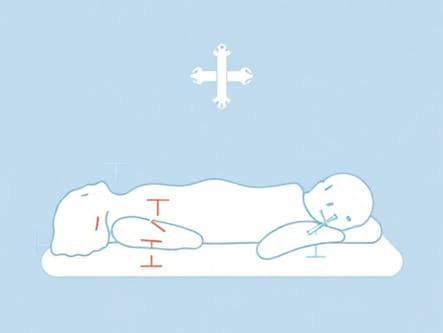
Fomentation is a therapeutic practice used for centuries in both medical and surgical contexts, involving the application of heat or medicated substances to the body to relieve pain, reduce inflammation, or promote healing. While the concept of fomentation may seem simple, its applications are varied and significant in clinical practice. There are two primary types of fomentation medical fomentation and surgical fomentation. Each serves a specific purpose, utilizes different techniques, and is applied in distinct clinical scenarios. Understanding the differences between medical and surgical fomentation is essential for healthcare professionals as well as patients who are interested in complementary and supportive therapies for pain relief and recovery.
What is Medical Fomentation?
Medical fomentation is primarily used as a non-invasive therapy aimed at alleviating pain, reducing muscle stiffness, and improving circulation in affected areas. It generally involves the external application of heat or medicated substances on the skin or underlying tissues. This type of fomentation can be applied using simple methods, such as warm compresses, hot water bags, or cloths soaked in herbal or medicinal solutions. The heat generated through medical fomentation helps relax muscles, increase blood flow, and enhance the delivery of nutrients to the affected area, which may accelerate healing and relieve discomfort.
Techniques in Medical Fomentation
- Warm CompressA cloth or pad soaked in warm water is applied to the affected area for a specific period, usually 15 to 20 minutes.
- Herbal PoulticesCrushed medicinal herbs are wrapped in cloth and applied to the skin to provide both heat and therapeutic properties of the herbs.
- Steam FomentationSteam is directed toward a specific body part to relieve congestion, muscle pain, or inflammation.
Applications of Medical Fomentation
Medical fomentation is widely used in general healthcare and physical therapy for a variety of conditions. Common applications include
- Relief of muscle spasms and stiffness in the neck, back, and limbs.
- Alleviation of joint pain due to arthritis or minor injuries.
- Reduction of localized inflammation in soft tissue injuries.
- Management of menstrual cramps through abdominal heat therapy.
The non-invasive nature of medical fomentation makes it suitable for routine use at home or in clinical settings under professional supervision. It can also be combined with other therapies, such as physiotherapy or massage, to enhance therapeutic outcomes.
What is Surgical Fomentation?
Surgical fomentation, on the other hand, is a more specialized technique applied in the context of wound care, post-operative recovery, or the management of abscesses and infections. It involves the application of medicated fomentation to aid in tissue healing, control infection, and promote the drainage of pus or other fluids. Unlike medical fomentation, which is primarily aimed at comfort and pain relief, surgical fomentation has a therapeutic role in actively managing surgical or traumatic wounds.
Techniques in Surgical Fomentation
- Medicated DressingsFomentation involves dressing wounds with cloths soaked in antiseptic solutions, herbal preparations, or other medicinal liquids to control infection.
- Warm Saline FomentationSterile warm saline is applied to infected areas or surgical sites to soften necrotic tissue and promote drainage.
- Steam FomentationIn certain surgical procedures, controlled steam is used to maintain moisture and warmth over wounds, which enhances healing.
Applications of Surgical Fomentation
Surgical fomentation is employed in a variety of clinical scenarios, such as
- Management of abscesses to facilitate the formation of a pus-draining pathway.
- Post-operative wound care to prevent infection and support tissue repair.
- Treatment of chronic ulcers or non-healing wounds, where warmth and moisture can promote granulation tissue formation.
- Soothing surgical incisions or trauma sites to reduce discomfort and swelling.
In surgical settings, fomentation is often combined with antibiotics or other medications to enhance therapeutic effects. Proper hygiene and sterilization are crucial to prevent secondary infections, making surgical fomentation a more controlled and precise procedure than medical fomentation.
Key Differences Between Medical and Surgical Fomentation
While both types of fomentation involve the application of heat or medicated substances, they differ significantly in purpose, technique, and clinical application
- PurposeMedical fomentation focuses on pain relief, muscle relaxation, and improved circulation, whereas surgical fomentation is aimed at wound care, infection control, and post-operative healing.
- TechniqueMedical fomentation often uses simple warm compresses, herbal poultices, or steam, while surgical fomentation requires medicated solutions, sterile techniques, and precise application over wounds or surgical sites.
- SettingMedical fomentation can be safely performed at home or in general clinical settings, whereas surgical fomentation is typically performed in hospitals, clinics, or under professional supervision.
- FrequencyMedical fomentation may be applied regularly for comfort and therapeutic benefits, while surgical fomentation is applied according to a clinical schedule to manage specific medical or post-surgical conditions.
Benefits and Risks
Benefits
- Both types of fomentation can relieve pain and reduce inflammation.
- Medical fomentation enhances blood circulation and muscle relaxation.
- Surgical fomentation promotes wound healing and supports recovery after surgery.
- Fomentation can improve the effectiveness of other therapeutic measures, such as medication or physiotherapy.
Risks
While fomentation is generally safe, certain precautions are necessary to avoid potential risks
- Excessive heat may cause burns or skin irritation.
- Improper use of medicated fomentation can lead to allergic reactions or secondary infections.
- Surgical fomentation requires sterile techniques; failure to maintain hygiene can exacerbate infections or delay wound healing.
Practical Tips for Safe Fomentation
- Always test the temperature of warm compresses or solutions before applying to avoid burns.
- Follow professional guidance when using herbal or medicated fomentation, particularly for surgical applications.
- Maintain cleanliness and hygiene during fomentation, especially for open wounds or post-surgical sites.
- Limit the duration of application according to recommended times, typically 15 to 20 minutes for medical fomentation.
- Consult a healthcare provider if any signs of infection, excessive pain, or adverse reactions occur.
Medical and surgical fomentation are valuable therapeutic techniques with distinct applications in healthcare. Medical fomentation focuses on non-invasive pain relief, muscle relaxation, and improved circulation, using heat and simple medicated methods that can often be applied at home. Surgical fomentation, on the other hand, plays a critical role in wound care, infection control, and post-operative healing, requiring precise, sterile, and medicated applications. Both methods offer significant benefits, but they also require careful application to avoid risks such as burns or infections. Understanding the differences between medical and surgical fomentation, their techniques, and applications allows healthcare providers and patients to utilize these methods effectively. Whether for comfort, recovery, or wound management, fomentation remains a practical and historically respected approach in modern medical practice, enhancing patient care and supporting the healing process.