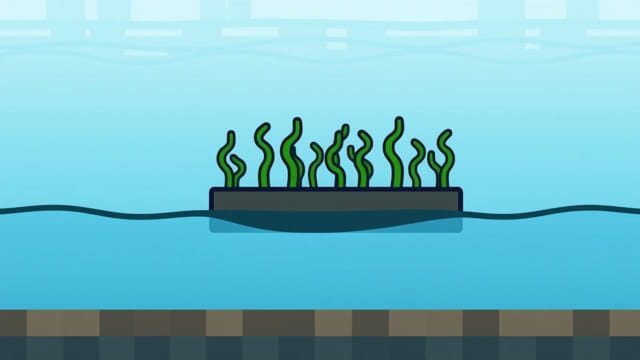
In Minecraft Bedrock Edition, kelp farming is one of the most efficient and sustainable ways to produce fuel, experience, and compostable material. Kelp is a fast-growing aquatic plant that thrives underwater, making it easy to grow and harvest in bulk. Whether you’re playing in survival mode or building an automatic base, a kelp farm can provide endless benefits with minimal resources. Learning how to build and maintain a kelp farm is essential for players looking to automate their world and enhance long-term gameplay without relying on traditional crops or smelting materials.
Understanding Kelp in Minecraft Bedrock
What Is Kelp?
Kelp is a plant block found in ocean biomes. It grows upward from the sea floor and can be harvested and used in a variety of ways. In Minecraft Bedrock Edition, kelp plays a critical role as a renewable resource. When smelted in a furnace, kelp turns into dried kelp, which can be eaten or crafted into dried kelp blocks an excellent fuel source that smelts 20 items per block.
Why Build a Kelp Farm?
There are several practical reasons why players choose to build a kelp farm:
- Reliable source of food through dried kelp
- Renewable and efficient fuel supply
- Experience farming when used with furnaces
- Automated item collection and composting
By building a kelp farm in Minecraft Bedrock, you reduce dependency on traditional food and fuel sources, while also adding a visually appealing feature to your underwater or coastal base.
Choosing a Location for Your Kelp Farm
Natural or Artificial Water Source
Kelp needs water source blocks to grow. This means your farm must be built either underwater in a natural ocean biome or in an artificial tank that simulates these conditions. Players can create their own controlled environment using glass walls and water buckets, ensuring maximum efficiency and simplicity in harvesting.
Surface vs. Underground Farms
Some players prefer to build kelp farms on the ocean floor, while others build custom setups underground or inside mountain bases. Each has advantages. Natural ocean farms can blend into the environment, while indoor designs offer more control, easier redstone integration, and safety from mobs.
Basic Manual Kelp Farm
Getting Started
For beginners, a manual kelp farm is the easiest and fastest way to start harvesting kelp. It requires minimal resources and effort.
- Dig a trench or construct a water tank at least 3 blocks deep
- Place sand or dirt at the bottom as the planting surface
- Plant kelp directly into the water
- Wait for the kelp to grow up to 25 blocks high
- Harvest with any tool or by hand
This type of farm is ideal in early-game stages or when resources are limited. The only drawback is that it must be harvested manually, which can be time-consuming.
Automatic Kelp Farm Design
Materials You’ll Need
To build an efficient automatic kelp farm in Minecraft Bedrock, you’ll need the following:
- Kelp
- Sand or dirt (for planting)
- Glass or solid blocks (for the structure)
- Water buckets
- Pistons
- Observers
- Redstone dust
- Hoppers
- Chests or furnaces (for collection)
Farm Construction Steps
1. Start by creating a vertical water column. Each planting cell should have one water source block on top of a sand block.
2. Plant kelp on each sand block to start the growth process.
3. Place a piston one block above the base kelp to break it when activated.
4. Above the piston, place an observer facing the kelp. This will detect when kelp grows in front of it.
5. Connect the observer to the piston with redstone dust so that when the kelp grows, the piston activates and breaks the upper kelp, leaving the base kelp to grow again.
6. Use water streams or bubble columns to move the dropped kelp into hoppers that connect to a chest or furnace system.
Advanced Automation and Furnace Integration
Smelting Dried Kelp Automatically
Once your kelp is collected, you can set up a furnace array to automatically smelt it into dried kelp. Using hoppers, you can create a continuous loop where kelp is fed into furnaces, and the dried kelp is stored in chests below.
For maximum fuel efficiency, consider crafting dried kelp blocks to use as fuel. This closes the loop, allowing your farm to power itself after an initial batch of dried kelp blocks is made.
Experience Farming Bonus
One of the unique advantages of using furnaces for kelp is that they store experience. When you manually collect dried kelp from the furnace (rather than via hoppers), you receive the accumulated XP, making this a passive experience farm as well.
Improving Efficiency and Growth Rates
Light Source for Underwater Growth
Kelp grows faster when adequately lit. If you’re building your kelp farm underground or in enclosed spaces, make sure to include light sources such as sea lanterns, glowstone, or torches placed strategically around the farm.
Stacking and Scaling Up
For players looking to increase kelp production, stacking multiple layers of kelp farms vertically is an efficient strategy. You can repeat the same layout on top of the previous layer, using additional hoppers and collection systems to funnel everything into a central storage or smelting area.
Troubleshooting Common Problems
Why Isn’t My Kelp Growing?
- Kelp must be planted on dirt, sand, or gravel blocks
- The water column must be made of source blocks, not flowing water
- Lighting may be too low for optimal growth
If any of these conditions are not met, kelp will either not grow at all or grow very slowly. Make sure all water blocks are source blocks and that kelp is properly placed at the bottom of the column.
Pistons Not Activating?
Check your redstone connections. Observers must be placed with the face looking toward the kelp, and the redstone must lead directly to the piston. Any misalignment can prevent proper automation.
Benefits of a Kelp Farm in Survival Mode
In survival gameplay, kelp farms can become a core part of your resource management system. With just one automated kelp farm, players can:
- Produce infinite fuel to power furnaces and smelt ores
- Gain a consistent supply of XP
- Maintain a steady food reserve with dried kelp
- Create bone meal via composting excess kelp
These advantages help reduce grind, allowing players to focus on exploration, building, or combat without worrying about basic survival needs.
A well-designed Minecraft Bedrock kelp farm is one of the most effective and sustainable automation builds in the game. Whether you start with a simple manual system or invest in a fully automated kelp harvester with redstone and furnace integration, the benefits are long-lasting. Kelp offers a reliable fuel source, a renewable food option, and valuable experience farming, all from a simple underwater plant. With proper setup, maintenance, and scaling, your kelp farm can become the engine that powers your Minecraft world from early survival to late-game automation.