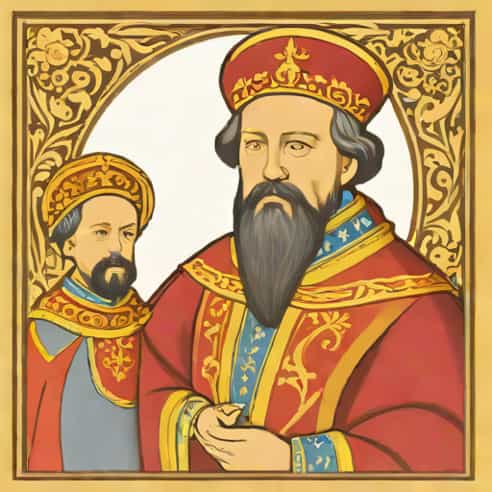
Modest Mussorgsky’s operaBoris Godunovis a towering masterpiece in Russian classical music, renowned for its profound emotional depth, historical accuracy, and innovative musical techniques. Composed in the late 19th century, this opera tells the story of the Russian tsar Boris Godunov and explores themes of power, guilt, and political intrigue. For musicians, scholars, and enthusiasts, the availability ofBoris Godunovscores on IMSLP (International Music Score Library Project) provides an invaluable resource, offering free access to Mussorgsky’s original compositions and arrangements. Understanding the opera, its musical significance, and how to navigate IMSLP can enrich one’s appreciation of this classic work.
Overview of Boris Godunov
Originally composed in 1869 and revised in 1872, Mussorgsky’sBoris Godunovis based on the historical figure of Boris Godunov, who ruled Russia during the Time of Troubles in the early 17th century. The opera delves deeply into the psychology of the tsar, depicting his rise to power, the murder of the rightful heir, and the heavy burden of guilt that haunts him. Mussorgsky’s approach to storytelling through music was revolutionary, emphasizing realism and emotional truth over traditional operatic conventions.
Historical and Cultural Context
Mussorgsky was part of a group of Russian composers known as The Mighty Handful, who sought to create a distinctly Russian musical identity. By drawing from historical events, Russian literature, and folk melodies, Mussorgsky infusedBoris Godunovwith authenticity and national character. The opera reflects the social, political, and religious tensions of Russia, portraying both the grandeur and the tragedy of monarchy. Its focus on realism and psychological depth set it apart from other operas of the period and influenced generations of composers who followed.
Musical Features of Boris Godunov
The opera is celebrated for its innovative musical techniques. Mussorgsky employed unconventional harmonic progressions, dissonances, and modal melodies to enhance the dramatic impact of the narrative. Unlike many of his contemporaries, he did not rely on ornate vocal embellishments but emphasized natural speech rhythms and expressive declamation. This approach allowed singers to convey the characters’ inner emotions more effectively, making the opera a powerful psychological study as well as a historical drama.
Notable Musical Elements
- Use of Russian folk melodies to evoke national identity and cultural authenticity.
- Complex orchestration that balances dramatic tension with lyrical passages.
- Choral writing that reflects collective emotions, such as fear, celebration, and dissent.
- Innovative use of dissonance and harmonic shifts to convey psychological conflict.
- Flexible vocal lines that prioritize dramatic expression over virtuosic display.
These musical features makeBoris Godunovboth challenging and rewarding for performers and an enduring favorite for audiences worldwide.
Accessing Boris Godunov on IMSLP
The International Music Score Library Project (IMSLP) provides free access to public domain music scores, including Mussorgsky’sBoris Godunov. IMSLP is a valuable tool for musicians, educators, and researchers, offering various editions of the opera, from original manuscripts to critical editions. Users can download PDF versions of the full score, vocal score, and piano reductions, allowing for study, performance preparation, or academic analysis.
Benefits of Using IMSLP
- Free and legal access to a wide range of musical scores, including rare editions.
- Availability of historical manuscripts, providing insight into Mussorgsky’s compositional process.
- Different arrangements and reductions suitable for performance, study, or rehearsal.
- Opportunity to compare multiple editions and scholarly interpretations of the opera.
- Facilitates accessibility for musicians globally, promoting education and cultural exchange.
IMSLP allows anyone with an interest in classical music to explore Mussorgsky’s work without the barriers of cost or limited availability, making it an essential resource for the global music community.
Using the Score for Performance and Study
For performers, IMSLP provides scores that can be printed or used digitally during rehearsals and performances. Conductors can analyze orchestration and dynamics, while singers can study vocal lines and character nuances. Music educators can use the scores to teach opera, Russian musical history, or performance techniques. Additionally, scholars can examine the evolution of the opera through different editions and annotations.
Practical Tips for Musicians
- Check the edition notes carefully to understand any editorial changes from the original manuscript.
- Use piano reductions for vocal rehearsals before full orchestral practice.
- Study the choral sections to prepare ensembles for the complex textures and rhythms.
- Analyze harmonic and melodic structures to interpret Mussorgsky’s unique style.
- Compare historical and modern editions to gain insight into performance practice and interpretive choices.
By approaching the IMSLP scores methodically, musicians can maximize their understanding and execution ofBoris Godunov, ensuring performances that honor Mussorgsky’s vision.
Significance of Boris Godunov in Music History
Boris Godunovremains a cornerstone of Russian opera and a landmark in the development of realistic, psychologically-driven musical drama. Its influence extends beyond Russia, impacting Western composers and operatic traditions. The opera’s focus on historical authenticity, character depth, and national identity has inspired countless productions and adaptations, including orchestral suites, piano transcriptions, and modern interpretations.
Legacy and Influence
- Established Mussorgsky as a master of dramatic realism in opera.
- Influenced composers such as Shostakovich, Prokofiev, and Stravinsky.
- Encouraged future operatic works to emphasize character psychology over ornate virtuosity.
- Continues to be performed worldwide, reflecting its enduring artistic and cultural relevance.
- Serves as a model for integrating historical narrative with musical innovation.
The opera’s legacy is preserved through recordings, live performances, and accessible scores on platforms like IMSLP, allowing new generations to study and enjoy Mussorgsky’s genius.
Modest Mussorgsky’sBoris Godunovis a masterpiece that combines historical storytelling, psychological depth, and innovative musical composition. For musicians, scholars, and opera enthusiasts, IMSLP offers a gateway to explore this work in detail, providing access to original manuscripts, vocal scores, and various editions. Understanding the opera’s themes, musical techniques, and historical context enhances appreciation and performance, while the availability of IMSLP scores democratizes access to one of the most significant works in classical music. From its dramatic portrayal of tsarist Russia to its enduring influence on opera and music theory,Boris Godunovexemplifies the power of music to convey emotion, history, and human complexity across generations.