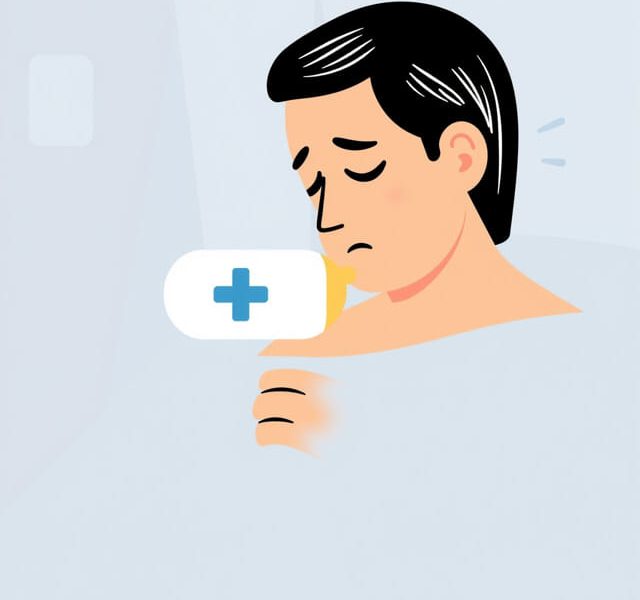
Experiencing motion sickness while on a boat or ship can turn a fun outing into a miserable ordeal. Many people are familiar with the drowsiness caused by traditional seasickness medications, which can interfere with daily activities and impair alertness. Non-drowsy seasick medications provide an alternative that allows individuals to prevent nausea and vomiting without the unwanted side effects of sedation. These medications are particularly beneficial for people who need to remain active, alert, or responsible for operating equipment while traveling on water.
Understanding Seasickness
Seasickness is a type of motion sickness that occurs when there is a conflict between the inner ear, eyes, and other sensory inputs that help maintain balance. When the brain receives mixed signals about movement, it triggers symptoms such as dizziness, nausea, vomiting, cold sweats, and fatigue. While the severity varies among individuals, it can affect anyone regardless of age or experience on boats. Preventive and treatment options are important for maintaining comfort and safety during water travel.
Common Symptoms of Seasickness
- Nausea and vomiting
- Dizziness and lightheadedness
- Cold sweats
- Paleness or flushing
- Headache or general discomfort
Identifying symptoms early allows for timely intervention, making non-drowsy medications more effective.
How Non-Drowsy Seasick Medications Work
Non-drowsy seasick medications typically target the mechanisms that trigger nausea without affecting the central nervous system to the extent that sedative medications do. They may work through various pathways
- Antihistamines with reduced sedative effectSome second-generation antihistamines block the histamine receptors in the inner ear that contribute to nausea without crossing the blood-brain barrier significantly, reducing drowsiness.
- Ginger-based remediesNatural compounds like ginger can reduce stomach sensitivity and vomiting by acting on the gastrointestinal tract and the central nervous system.
- Scopolamine alternativesCertain formulations of scopolamine in low doses or transdermal patches can minimize sedative effects while still preventing motion-induced nausea.
Popular Non-Drowsy Seasick Medications
Several non-drowsy options are available for preventing seasickness. They are suitable for adults and, in some cases, children, and can be administered orally or as patches. Common examples include
- Meclizine (Non-Drowsy Formulations)An antihistamine that helps prevent nausea, dizziness, and vomiting with minimal sedation. It is often taken one hour before travel and can be effective for several hours.
- Dimenhydrinate (Non-Drowsy Options)Some formulations of dimenhydrinate are designed to reduce drowsiness while maintaining antiemetic effects.
- Ginger SupplementsCapsules, tablets, or lozenges containing ginger extract can serve as a natural alternative to pharmaceuticals. They are safe for long-term use and can be taken shortly before exposure to motion.
- Acupressure BandsWhile not a medication, these bands apply pressure to specific points on the wrist and can reduce nausea without causing drowsiness, making them a complementary option.
Advantages of Non-Drowsy Medications
Non-drowsy seasick medications provide several benefits for people prone to motion sickness. These advantages include
- Maintaining alertness and the ability to perform tasks during travel
- Reducing the risk of accidents associated with sedation
- Allowing individuals to enjoy activities such as sightseeing, fishing, or operating a vessel
- Minimizing interference with work or social interactions during travel
These benefits make non-drowsy options preferable for professionals, students, and anyone requiring sustained focus.
Tips for Maximizing Effectiveness
To get the most benefit from non-drowsy seasick medications, it is important to follow best practices for use and incorporate lifestyle strategies that reduce motion sickness
- Take medication in advanceMost medications are more effective if taken one hour before exposure to motion.
- Stay hydratedDehydration can exacerbate nausea, so drinking water regularly is important.
- Focus on the horizonLooking at a stable point helps reduce sensory conflict in the brain.
- Avoid heavy mealsLarge or greasy meals before travel can worsen nausea.
- Use supplemental techniquesCombining medication with ginger, acupressure, or relaxation exercises can enhance effectiveness.
Considerations and Safety
While non-drowsy seasick medications are generally safe, there are important considerations to keep in mind
- Check the recommended dosage, especially for children and older adults.
- Be aware of potential mild side effects, such as dry mouth or mild headache.
- Consult a healthcare provider if pregnant, breastfeeding, or taking other medications to avoid interactions.
- Recognize that no medication guarantees complete prevention of motion sickness; combining strategies often yields the best results.
When to Seek Medical Advice
If nausea and vomiting are severe or persistent despite medication, it is important to consult a healthcare professional. Chronic motion sickness may require further evaluation, and alternative treatments may be necessary. Additionally, individuals with underlying conditions such as gastrointestinal disorders, vestibular dysfunction, or heart problems should seek guidance before using any seasickness medication.
Alternative Approaches and Complementary Therapies
Besides medications, several non-pharmacological approaches can help manage seasickness without causing drowsiness. These include
- Behavioral strategiesRemaining on deck where motion is less pronounced, focusing on the horizon, and avoiding sudden head movements.
- Environmental adjustmentsEnsuring fresh air circulation and avoiding strong odors that may trigger nausea.
- Acupressure and acupunctureStimulating specific points on the wrist or body can reduce the sensation of nausea naturally.
- Ginger and peppermintAromatherapy or ingesting these natural remedies may provide additional relief without sedation.
Non-drowsy seasick medications provide an effective solution for preventing nausea and vomiting during water travel while allowing individuals to remain alert and functional. With options like second-generation antihistamines, ginger supplements, and acupressure techniques, travelers can manage motion sickness without the sedation commonly associated with older medications. Combining pharmacological and non-pharmacological strategies enhances effectiveness and improves the overall experience of boating, sailing, or cruising. Consulting with a healthcare professional ensures proper selection, dosage, and safe use, enabling individuals to enjoy water-based activities with minimal discomfort and maximal alertness.