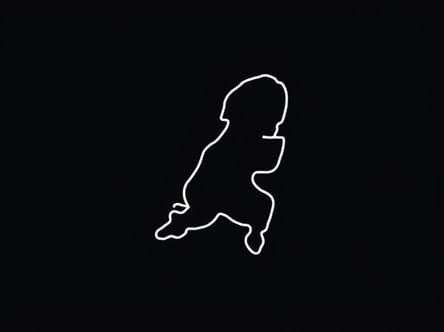
The Netherlands, known for its canals, tulips, and windmills, is a compact yet diverse country in northwestern Europe. Though small in size, it can be meaningfully divided into three broad regions Noord (North), Midden (Middle), and Zuid (South). Each region has its own distinct geography, dialects, traditions, economic activities, and cultural identity. Understanding the differences between Noord, Midden, and Zuid Nederland gives a more complete view of the nation as a whole. These divisions are not administrative but are often used in daily life, regional planning, and cultural references. They highlight the variety within Dutch society and landscape.
Geographical Overview
To better understand Noord, Midden, and Zuid Nederland, it’s helpful to look at their geographical spread
- Noord NederlandIncludes the provinces of Groningen, Friesland, and Drenthe.
- Midden NederlandIncludes provinces like Utrecht, Gelderland, Overijssel, and Flevoland, sometimes parts of North Holland and South Holland.
- Zuid NederlandIncludes North Brabant, Limburg, and Zeeland.
These regions differ not only in landscape and dialects but also in historical development and economic focus. While they share a national identity, local pride and regional character remain strong.
Noord Nederland Rural Charm and Cultural Traditions
Noord Nederland, or the northern Netherlands, is known for its flat landscapes, extensive farmland, and quiet pace of life. The provinces in this region have a strong sense of identity and local dialects, especially Frisian in Friesland, which is recognized as a second official language in the country.
Key Features of Noord Nederland
- GroningenA vibrant university city surrounded by countryside. Known for its energy industry and cultural heritage.
- FrieslandFamous for its lakes, waterways, and the Elfstedentocht, a historic ice-skating tour through eleven cities.
- DrentheCharacterized by forests, heathlands, and prehistoric megalithic tombs called hunebedden.”
This region has traditionally been more rural and less industrialized than the south and west. Agriculture, dairy farming, and tourism are important here. Its low population density contributes to a peaceful environment, ideal for nature lovers.
Midden Nederland The Heart of the Country
Midden Nederland, or central Netherlands, plays a central role in the nation’s political, economic, and infrastructural life. It connects the more rural north and the more industrialized south. This region includes the city of Utrecht, which is often considered the geographic center of the country and a major transportation hub.
Key Features of Midden Nederland
- UtrechtOne of the oldest cities in the country, known for its canals, academic institutions, and historic buildings.
- GelderlandHome to the Veluwe national park, Arnhem, and Nijmegen, it combines nature and urban development.
- FlevolandThe newest Dutch province, created through land reclamation from the IJsselmeer in the 20th century.
- OverijsselA mix of small towns, agriculture, and emerging industries, with scenic rivers and woodlands.
Central Netherlands is also home to government institutions, logistics hubs, and growing suburban areas. It balances urban convenience with access to nature and is popular for both business and family life.
Zuid Nederland Industrial Power and Cultural Depth
Zuid Nederland, or the southern Netherlands, is a dynamic and economically significant region. It has a strong industrial base and is culturally influenced by its proximity to Belgium and Germany. This area is often associated with hospitality, lively festivals, and a warmer accent and demeanor.
Key Features of Zuid Nederland
- North BrabantA province with a strong Catholic heritage, home to cities like Eindhoven (technology hub) and ‘s-Hertogenbosch (historic capital).
- LimburgLocated along the Meuse River, it has a rolling landscape unlike much of the flat Netherlands, and its people speak Limburgish dialects.
- ZeelandKnown for its delta works, islands, and battle with the sea. This province is shaped by its struggle against flooding and its tourism appeal.
Zuid Nederland also has a distinct culinary culture, with rich stews, pastries, and beers that differ from the north. Events like Carnaval are celebrated with great enthusiasm and are major cultural highlights in the region.
Regional Dialects and Identity
Language and accent are key components of regional identity in the Netherlands. While everyone speaks standard Dutch, local dialects remain strong
- FrisianOfficially recognized and widely spoken in Friesland.
- Gronings and DrentsNorthern dialects with Germanic roots.
- Brabants and LimburgsSouthern dialects often influenced by German and French.
These linguistic differences are part of what makes regional identity in the Netherlands so vibrant. People are often proud of their local roots, and dialects are still used in informal settings, music, and cultural events.
Regional Pride
Each region takes pride in its local customs, dress, food, and even sports. For example
- In the north, traditional sailing competitions are popular.
- In the south, Carnaval is a major event, with parades and colorful costumes.
- In the center, cultural festivals often emphasize literature and music.
These traditions keep local culture alive and foster a strong sense of belonging, even as the country becomes more urbanized and globalized.
Economic Differences Between the Regions
Economically, each part of the Netherlands contributes in different ways
- Noord NederlandAgriculture, renewable energy, tourism, and higher education.
- Midden NederlandServices, logistics, technology, and government.
- Zuid NederlandIndustry, manufacturing, high-tech innovation, and cross-border trade.
For example, Eindhoven in the south is known for its tech sector, including companies like ASML and Philips. Meanwhile, Groningen in the north has a strong focus on green energy and education, and Utrecht in the center serves as a transit and administrative hub.
Infrastructure and Connectivity
The Netherlands has a highly developed transportation system. Trains, highways, and cycle paths connect all parts of the country efficiently. However, travel habits can vary
- In the north, people often travel longer distances to reach major cities.
- In the center, daily commuting is common due to the proximity of major towns.
- In the south, cross-border movement with Belgium and Germany is part of daily life.
Noord, Midden, and Zuid Nederland each reflect different aspects of Dutch identity and culture. From the quiet villages and farmlands of the north to the administrative center in the middle and the energetic, industrious south, the Netherlands is a country of regional diversity. These internal distinctions enrich the national character and demonstrate how local pride, geography, and history shape everyday life. Whether exploring historic towns, biking through rural landscapes, or attending local festivals, understanding these regions adds depth to one’s experience of the Netherlands.