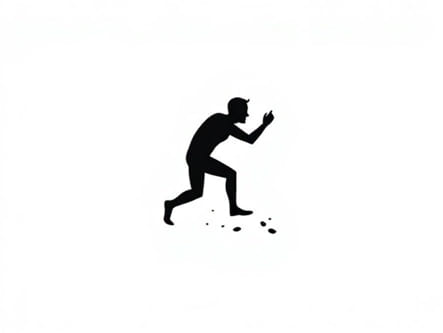
The One Must Imagine Sisyphus Happy” meme is a unique and thought-provoking addition to internet culture, blending classical philosophy with modern humor. This meme draws inspiration from the existentialist essay by Albert Camus, where he interprets the Greek myth of Sisyphus as a metaphor for the human condition. In the original myth, Sisyphus is condemned to roll a massive boulder up a hill, only for it to roll back down each time he nears the summit. Camus argues that despite the absurdity of Sisyphus’s task, one can imagine him finding contentment or even happiness in embracing his eternal struggle. The meme takes this philosophical idea and translates it into a format that is both accessible and humorous, allowing a wide audience to engage with complex existential themes in a lighthearted way.
Origin and Philosophy Behind the Meme
The meme’s roots lie in Camus’s 1942 essay “The Myth of Sisyphus,” a seminal work in existentialist thought. Camus uses the myth of Sisyphus to explore the concept of the absurd the tension between humanity’s search for meaning and the universe’s inherent lack of it. He famously concludes that “one must imagine Sisyphus happy,” suggesting that individuals can find fulfillment and purpose by embracing the struggle itself rather than seeking external validation or ultimate goals. The meme takes this profound idea and often juxtaposes it with humorous, modern scenarios, creating an ironic or absurdist twist that resonates with online audiences.
Structure and Visual Elements
The “One Must Imagine Sisyphus Happy” meme typically features a visual representation of Sisyphus pushing his boulder, often combined with text captions that apply his struggle to relatable, everyday situations. The meme’s structure is versatile, which allows creators to adapt it to various contexts, from workplace stress to personal challenges, making it highly shareable.
- ImageUsually a depiction of Sisyphus pushing a boulder, either from classical art, illustrations, or humorous reinterpretations.
- CaptionText that connects the image to modern life, often exaggerating mundane tasks as Sisyphean struggles.
- Humor and IronyThe juxtaposition of existential philosophy with trivial modern problems creates comedic tension.
Why the Meme Resonates
The meme’s appeal lies in its combination of intellectual depth and humor. Many people relate to feeling trapped in repetitive, challenging, or monotonous tasks, whether at work, school, or in personal life. By framing these struggles as Sisyphean, the meme validates these experiences while also providing a humorous lens through which to view them. The addition of Camus’s existential perspective elevates the humor, transforming a simple joke into a witty commentary on human perseverance and resilience.
Popular Variations
Over time, the “One Must Imagine Sisyphus Happy” meme has evolved to encompass a variety of creative interpretations. Some common variations include
- Replacing the boulder with modern obstacles like bills, deadlines, or heavy workloads.
- Depicting Sisyphus as a modern character, such as an office worker, student, or gamer, to enhance relatability.
- Using humorous text overlays that combine philosophical insight with everyday irony.
These variations allow the meme to remain relevant across generations and online platforms, appealing to both philosophy enthusiasts and casual meme consumers.
Psychological Appeal
The meme’s humor and resonance are rooted in several psychological principles. First, it plays on the concept of absurdity the contrast between the lofty philosophical idea of finding happiness in struggle and the mundane, often trivial, challenges of daily life. Second, it taps into the universal experience of facing repetitive or overwhelming tasks, providing a form of emotional validation. Finally, the meme allows individuals to laugh at the human condition, acknowledging life’s absurdities without succumbing to despair. This blend of intellectual stimulation and emotional relief contributes to its popularity.
Impact on Meme Culture
The “One Must Imagine Sisyphus Happy” meme exemplifies how internet humor can intersect with philosophical thought. Unlike conventional memes that focus purely on humor, this meme encourages reflection while also eliciting laughter. Its popularity highlights the trend of intellectual memes that combine classical knowledge with modern cultural commentary, bridging the gap between highbrow philosophy and everyday relatability. As a result, it has sparked discussions about the value of existential thought in understanding contemporary life, demonstrating that memes can be both entertaining and educational.
Use on Social Media
On social media, the meme is commonly used to
- Comment on Work or School LifeRepresenting the endless cycles of tasks and responsibilities.
- Reflect Personal StrugglesHumorously depicting mental or emotional challenges.
- Philosophical HumorOffering a witty take on existentialism, appealing to audiences who enjoy blending intellect with comedy.
Its flexibility makes it easy to adapt for posts, tweets, and story formats across platforms like Instagram, Twitter, and Reddit. This adaptability ensures that the meme continues to circulate widely and inspire new interpretations.
Tips for Creating Your Own Version
For those looking to create a personalized version of the meme, the following tips can be helpful
- Understand the Core ConceptFamiliarity with Camus’s essay and the myth of Sisyphus is essential to maintain authenticity.
- Connect with Relatable StrugglesIdentify daily challenges that can be humorously exaggerated as Sisyphean tasks.
- Use Clear VisualsEnsure the image of Sisyphus is recognizable to maintain the meme’s impact.
- Blend Humor and InsightBalance the philosophical reference with a playful or ironic twist to engage a broad audience.
The “One Must Imagine Sisyphus Happy” meme is a compelling example of how classical philosophy can be transformed into a modern internet phenomenon. By combining Camus’s existentialist ideas with relatable, everyday struggles, the meme offers both humor and intellectual engagement. Its flexibility, psychological resonance, and social media adaptability contribute to its widespread appeal, making it a lasting part of meme culture. Ultimately, the meme invites audiences to reflect on the nature of struggle, persistence, and contentment, all while delivering a clever, shareable form of entertainment that connects people across generations and interests.