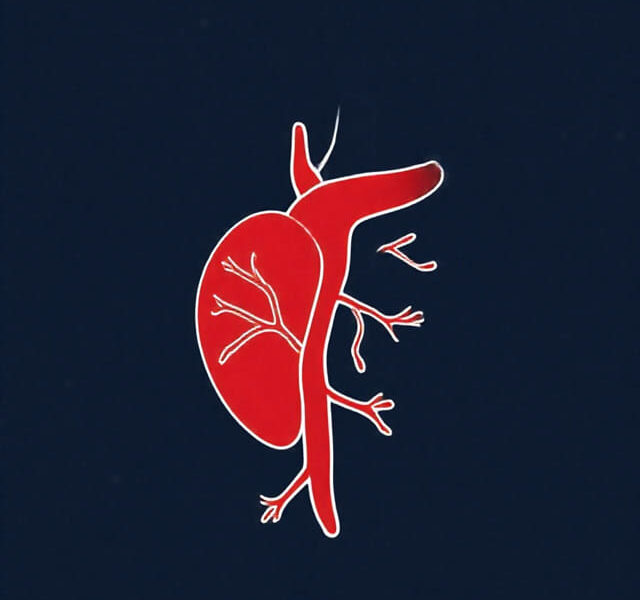
The testicular artery is a key component of the male reproductive vascular system, responsible for delivering oxygenated blood to the testes. Its origin, course, and connections with other anatomical structures are of great importance in clinical anatomy, particularly in urology and surgery involving the abdomen or scrotum. A precise understanding of the testicular artery’s origin helps prevent complications during surgical procedures such as hernia repair, varicocelectomy, and retroperitoneal surgeries. Though often small and thin, this artery plays a vital role in maintaining testicular health and supporting spermatogenesis.
Origin of the Testicular Artery
The testicular artery originates from the abdominal aorta, the main arterial trunk that supplies oxygenated blood to much of the body. This artery arises specifically from the anterior aspect of the abdominal aorta, slightly inferior to the renal arteries. The level of origin is typically between the T12 and L2 vertebrae, although anatomical variations can occur.
Location Relative to Other Structures
The testicular arteries arise just inferior to the renal arteries and superior to the inferior mesenteric artery. Each testicular artery is a paired structure, with one artery supplying each testis. After emerging from the abdominal aorta, they descend along the posterior abdominal wall, making their way to the inguinal canal and eventually reaching the scrotum.
Course of the Testicular Artery
Once it branches from the abdominal aorta, the testicular artery takes a downward and lateral path. It runs posterior to the peritoneum, making it a retroperitoneal structure, and travels anterior to the ureter. This relationship is clinically important, especially during surgeries where both the ureter and testicular artery may be encountered.
The artery continues its course by entering the deep inguinal ring, accompanied by the vas deferens, testicular vein (pampiniform plexus), lymphatics, and nerves. Together, these structures form the spermatic cord. The testicular artery then exits the inguinal canal through the superficial inguinal ring and reaches the scrotum, where it supplies the testis and epididymis.
In the Spermatic Cord
Within the spermatic cord, the testicular artery is surrounded by layers of fascia and is accompanied by veins that help regulate the temperature of the testis. The pampiniform plexus acts as a heat exchanger, ensuring that the testis is kept at an optimal temperature for sperm production. This close anatomical relationship between the testicular artery and pampiniform plexus is crucial for thermoregulation.
Branches and Distribution
Upon reaching the scrotum, the testicular artery divides into several branches to supply the testis and associated structures. These include:
- Capsular branches These branches supply the outer surface of the testis (tunica albuginea).
- Centripetal branches These enter the testicular parenchyma and radiate toward the mediastinum testis, providing oxygenated blood to the seminiferous tubules.
- Branches to the epididymis These supply the head, body, and tail of the epididymis, a crucial structure for sperm maturation and transport.
These branches ensure that the testis receives a consistent and sufficient supply of blood for its endocrine and reproductive functions.
Collateral Circulation
In addition to the testicular artery, the testis also receives blood from collateral sources that provide vascular redundancy. These include:
- Cremasteric artery A branch of the inferior epigastric artery that supplies the cremaster muscle and layers of the spermatic cord.
- Artery to the vas deferens (deferential artery) A branch of the superior or inferior vesical artery that supplies the vas deferens and part of the epididymis.
This collateral circulation plays a crucial role if the testicular artery is injured or occluded. However, it may not always be sufficient to maintain testicular viability, especially in cases of complete arterial disruption.
Embryological Development
The testicular artery originates during embryonic development from one of several lateral mesonephric branches of the dorsal aorta. Initially, the gonads develop near the kidneys in the posterior abdominal wall. As the testes descend into the scrotum during fetal development, the artery elongates to follow their path. This descent explains the long and relatively slender course of the testicular artery from the upper abdomen to the scrotum.
Clinical Importance
1. Surgical Considerations
Understanding the origin and course of the testicular artery is essential during surgeries such as:
- Inguinal hernia repair
- Orchiectomy (testis removal)
- Varicocelectomy (treatment of varicose veins in the scrotum)
- Retroperitoneal lymph node dissection
Accidental ligation or damage to the artery during these procedures may lead to testicular ischemia and atrophy. Surgeons often use Doppler imaging to locate and preserve the artery during minimally invasive operations.
2. Torsion of the Testis
Testicular torsion is a medical emergency in which the spermatic cord twists, cutting off blood supply through the testicular artery. Rapid diagnosis and surgical intervention are required to restore blood flow and prevent permanent damage or loss of the testis. The testicular artery is the primary vessel affected in torsion cases.
3. Varicocele and Infertility
While varicoceles primarily involve venous structures, their presence may affect arterial blood flow due to increased scrotal temperature and altered hemodynamics. Ensuring the patency and efficiency of the testicular artery is part of the assessment in male infertility evaluations.
4. Angiography and Embolization
In certain conditions such as testicular tumors or vascular malformations, radiologists may perform angiography to visualize the testicular artery. Embolization techniques can also be used to treat abnormal blood flow or control bleeding. Knowing the artery’s origin from the aorta is key for guiding catheters during these procedures.
Anatomical Variations
Though the testicular artery usually arises from the abdominal aorta, variations in its origin and course are possible. These include:
- Origin from the renal artery A common variant where the artery arises above its typical level.
- Duplicate testicular arteries Two arteries may supply a single testis, which can be seen on imaging or during surgery.
- Aberrant courses The artery may take an unusual path through the abdomen or pelvis.
Such variations are important to identify before surgery to avoid unexpected complications.
The origin of the testicular artery from the abdominal aorta reflects its embryological history and critical function in male reproductive health. This artery ensures the testes receive oxygenated blood necessary for hormone production and sperm development. Given its long course and close anatomical relationships, understanding its path is essential in both clinical and surgical contexts. Whether evaluating a patient for infertility, performing abdominal surgery, or treating testicular trauma, a thorough knowledge of the testicular artery’s anatomy contributes to better outcomes and minimized risks.