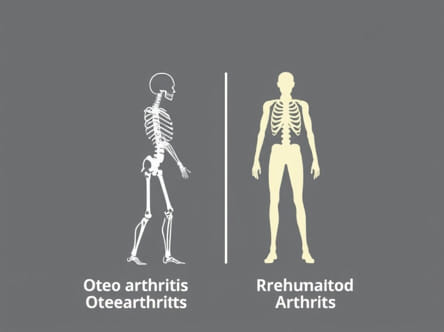
Understanding the differences between osteoarthritis and rheumatoid arthritis is crucial for patients, caregivers, and healthcare professionals alike. While both conditions affect the joints and can cause pain, stiffness, and reduced mobility, they have distinct causes, mechanisms, and treatment approaches. Using a comparative chart can help simplify these differences and provide a clear visual representation of how each disease affects the body. Recognizing the unique characteristics of osteoarthritis versus rheumatoid arthritis allows for more accurate diagnosis, better management strategies, and improved patient outcomes.
Overview of Osteoarthritis and Rheumatoid Arthritis
Osteoarthritis (OA) is a degenerative joint disease primarily associated with the wear and tear of cartilage over time. It is commonly observed in older adults and is linked to age, joint overuse, obesity, and previous injuries. OA tends to affect specific joints asymmetrically, such as the knees, hips, hands, and spine. The primary symptoms include joint pain, stiffness, and reduced flexibility, which gradually worsen over time.
Rheumatoid arthritis (RA), on the other hand, is an autoimmune disease where the immune system mistakenly attacks the synovium, the lining of the joints. This leads to inflammation, swelling, and eventual joint damage. RA can occur at any age but is most common in middle-aged adults and affects women more frequently than men. Unlike OA, RA typically presents symmetrically, meaning the same joints on both sides of the body are affected. RA may also involve systemic symptoms such as fatigue, fever, and organ involvement.
Comparative Chart Osteoarthritis vs Rheumatoid Arthritis
Key Differences
| Feature | Osteoarthritis (OA) | Rheumatoid Arthritis (RA) |
|---|---|---|
| Cause | Degeneration of cartilage due to wear and tear | Autoimmune attack on joint lining (synovium) |
| Age of Onset | Usually after 50 years | Can occur at any age, commonly 30-50 years |
| Joint Involvement | Often asymmetrical, commonly knees, hips, hands, spine | Symmetrical, often small joints of hands, wrists, and feet |
| Symptoms | Pain worsens with activity, mild morning stiffness | Persistent pain, prolonged morning stiffness, swelling |
| Inflammation | Mild or absent | Significant inflammation and swelling |
| Systemic Symptoms | Rare | Common, may include fatigue, fever, weight loss |
| Joint Deformity | Develops gradually in advanced stages | May occur early due to chronic inflammation |
| Progression | Slow, degenerative | Moderate to rapid, autoimmune-driven |
| Diagnosis | Based on X-rays, clinical examination, and history | Blood tests (RF, anti-CCP), imaging, clinical evaluation |
| Treatment | Pain management, physical therapy, lifestyle changes, joint replacement in severe cases | Immunosuppressive drugs, biologics, anti-inflammatory medications, physical therapy |
Symptoms and Early Warning Signs
Osteoarthritis Symptoms
Osteoarthritis often develops gradually. Early signs include
- Joint pain that worsens with movement and improves with rest
- Mild stiffness in the morning lasting less than 30 minutes
- Reduced range of motion or difficulty performing certain movements
- Crepitus or a grinding sensation in the joint during motion
- Occasional swelling, usually mild
Rheumatoid Arthritis Symptoms
RA may have a more aggressive onset and includes
- Persistent joint pain and swelling
- Morning stiffness lasting more than an hour
- Symmetrical joint involvement
- Fatigue, low-grade fever, and general malaise
- Potential organ involvement, including the heart, lungs, and eyes
Diagnosis and Testing
Accurate diagnosis is essential for effective treatment. OA diagnosis primarily relies on clinical examination and imaging tests like X-rays or MRI to assess cartilage loss and bone changes. Blood tests are typically normal, as OA is not an inflammatory disease.
RA diagnosis involves blood tests for rheumatoid factor (RF) and anti-cyclic citrullinated peptide (anti-CCP) antibodies, along with inflammatory markers such as ESR and CRP. Imaging techniques, including ultrasound and MRI, help detect early joint inflammation and erosions. A thorough medical history and physical examination complement these tests to confirm RA diagnosis.
Treatment Strategies
Osteoarthritis Management
- Pain relief with acetaminophen or NSAIDs
- Physical therapy and exercise to maintain mobility and strengthen muscles
- Weight management to reduce joint stress
- Assistive devices like braces or orthotics
- Joint injections with corticosteroids or hyaluronic acid in advanced cases
- Joint replacement surgery for severe degeneration
Rheumatoid Arthritis Management
- Use of disease-modifying antirheumatic drugs (DMARDs) to slow disease progression
- Biologic therapies targeting specific immune pathways
- Anti-inflammatory medications to control pain and swelling
- Regular physical therapy to preserve joint function and prevent deformities
- Monitoring for systemic complications with routine medical checkups
Prognosis and Long-Term Considerations
Osteoarthritis progresses gradually, and while it can lead to chronic pain and reduced mobility, it generally does not affect life expectancy. Management focuses on symptom control and maintaining quality of life through exercise, lifestyle modifications, and medical interventions.
Rheumatoid arthritis is a systemic autoimmune condition, and prognosis depends on disease severity, early diagnosis, and adherence to treatment. With appropriate management, many individuals achieve disease control and maintain a good quality of life, but untreated RA can lead to joint deformity, disability, and systemic complications.
Understanding the differences between osteoarthritis and rheumatoid arthritis is essential for accurate diagnosis, effective treatment, and improved patient outcomes. An osteoarthritis vs rheumatoid arthritis chart provides a clear comparison of causes, symptoms, joint involvement, diagnostic approaches, and treatment strategies. While OA is a degenerative, wear-and-tear condition primarily affecting older adults, RA is an autoimmune disease that can affect individuals of various ages and involves systemic inflammation. Awareness of these distinctions helps patients recognize symptoms, seek timely medical care, and adhere to appropriate management plans, ultimately promoting joint health, mobility, and quality of life.