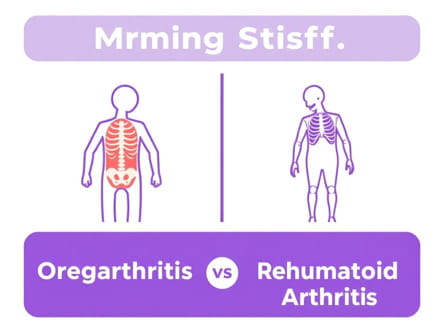
Morning stiffness is a common complaint among individuals suffering from joint pain, but it can manifest differently depending on the underlying cause. Two of the most frequent types of arthritis, osteoarthritis and rheumatoid arthritis, both cause morning stiffness, yet the characteristics and implications of this symptom vary significantly. Understanding these differences is crucial for proper diagnosis, management, and treatment of these conditions. This topic explores the contrast between osteoarthritis and rheumatoid arthritis morning stiffness, providing a clear and detailed comparison to help patients and healthcare providers recognize and address this symptom effectively.
Understanding Osteoarthritis and Rheumatoid Arthritis
Osteoarthritis (OA) is a degenerative joint disease characterized by the gradual breakdown of cartilage, leading to bone-on-bone contact, pain, and reduced joint function. It typically develops over many years and is often associated with aging, joint wear and tear, or previous injuries.
Rheumatoid arthritis (RA), on the other hand, is an autoimmune disorder where the body’s immune system mistakenly attacks the synovium, the lining of the joints. This causes inflammation, swelling, and eventual joint damage. RA can affect people of any age and tends to progress more rapidly than OA.
What Is Morning Stiffness?
Morning stiffness refers to the sensation of joint stiffness or reduced mobility experienced upon waking. This stiffness can limit movement, cause discomfort, and interfere with daily activities. While both OA and RA patients report morning stiffness, the nature, duration, and severity differ between the two diseases.
Morning Stiffness in Osteoarthritis
In osteoarthritis, morning stiffness is typically brief, lasting less than 30 minutes. This stiffness usually occurs due to the joints being immobile during sleep, leading to temporary rigidity. Once the individual begins moving, the stiffness tends to improve quickly as the joint warms up.”
OA morning stiffness commonly affects weight-bearing joints such as the knees, hips, and spine. It may also involve the hands, particularly the distal interphalangeal joints. The stiffness tends to be mechanical in nature, meaning it worsens with activity throughout the day as joint cartilage continues to wear down.
- DurationUsually less than 30 minutes
- OnsetOccurs after inactivity, such as sleeping or resting
- ImprovementSymptoms ease with gentle movement or exercise
- Associated SymptomsJoint pain aggravated by activity, limited joint mobility, crepitus (a cracking sensation)
Morning Stiffness in Rheumatoid Arthritis
Rheumatoid arthritis is distinguished by a more prolonged and severe morning stiffness. RA patients often report stiffness lasting for an hour or more, sometimes extending to several hours. This stiffness reflects the underlying inflammatory process damaging the joint lining, which leads to swelling and pain upon waking.
RA morning stiffness affects smaller joints symmetrically, such as those in the hands, wrists, and feet. Unlike OA, RA stiffness improves slowly and may require anti-inflammatory medications or physical therapy to manage effectively. The prolonged stiffness significantly impacts daily functioning and quality of life for many patients.
- DurationOften lasts one hour or longer
- OnsetCan be persistent and occur even without prolonged inactivity
- ImprovementGradual, often requiring treatment such as NSAIDs or corticosteroids
- Associated SymptomsJoint swelling, warmth, tenderness, fatigue, systemic symptoms like fever or weight loss
Key Differences Between OA and RA Morning Stiffness
| Feature | Osteoarthritis | Rheumatoid Arthritis |
|---|---|---|
| Cause of stiffness | Cartilage wear and joint degeneration | Inflammation of the synovial membrane |
| Duration of morning stiffness | Less than 30 minutes | One hour or more |
| Joint involvement | Weight-bearing joints, hands (DIP joints) | Smaller joints, symmetrical (MCP, PIP joints, wrists, feet) |
| Improvement with movement | Quick improvement after gentle activity | Slow improvement, often requiring medication |
| Additional symptoms | Joint pain worsening with activity, crepitus | Swelling, warmth, systemic symptoms like fatigue |
Why Understanding Morning Stiffness Matters
Recognizing the differences in morning stiffness between osteoarthritis and rheumatoid arthritis can help guide diagnosis and treatment. Since early intervention in RA can prevent joint damage and improve outcomes, patients experiencing prolonged morning stiffness and other RA symptoms should seek medical evaluation promptly.
In contrast, OA management often focuses on symptom relief through lifestyle changes, physical therapy, and pain management strategies. Understanding the nature of morning stiffness can assist healthcare providers in tailoring treatments effectively.
Management Strategies for Morning Stiffness
- OsteoarthritisRegular low-impact exercise, weight management, physical therapy, use of heat packs, and over-the-counter pain relievers.
- Rheumatoid ArthritisDisease-modifying antirheumatic drugs (DMARDs), corticosteroids, NSAIDs, physical therapy, and lifestyle modifications to reduce inflammation.
When to See a Doctor
If morning stiffness lasts longer than 30 minutes consistently or is accompanied by joint swelling, redness, or systemic symptoms like fever or fatigue, it is important to seek medical advice. Early diagnosis and treatment are especially critical for rheumatoid arthritis to prevent irreversible joint damage.
Morning stiffness is a hallmark symptom of both osteoarthritis and rheumatoid arthritis, but the two conditions differ significantly in how this symptom presents. Osteoarthritis typically causes brief stiffness that improves quickly with movement, whereas rheumatoid arthritis leads to prolonged, painful stiffness due to inflammation. Understanding these differences helps patients and healthcare professionals recognize the underlying condition and implement appropriate management strategies to improve joint health and quality of life.
By paying attention to the characteristics of morning stiffness, including its duration, affected joints, and associated symptoms, individuals can better navigate their arthritis journey and achieve optimal outcomes through timely and tailored care.