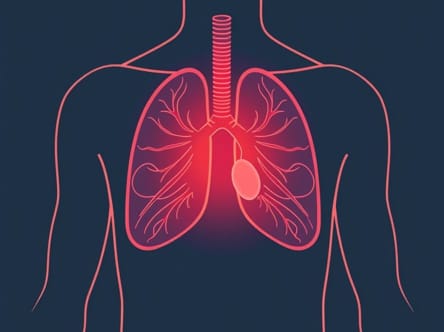
Pain in the pleura is a medical symptom that often raises concern because it is linked to the lining of the lungs and chest cavity. The pleura consists of two thin membranes that surround the lungs and provide lubrication for smooth breathing movements. When these membranes become irritated or inflamed, the result can be sharp chest pain, especially during breathing, coughing, or sneezing. This type of pain is medically referred to as pleuritic pain or pleurisy. Understanding the medical term, its causes, and management options is important for anyone experiencing chest discomfort that may be related to pleural conditions.
What Is Pain in the Pleura Called?
The medical term for pain in the pleura ispleuritic painorpleurisy. Pleurisy occurs when the pleural membranes that surround the lungs become inflamed. The irritation causes the normally smooth surfaces to rub against each other during breathing, leading to sharp, stabbing pain. This pain is typically localized to one side of the chest and worsens when a person inhales deeply, coughs, or moves suddenly.
How Pleuritic Pain Feels
Pain in the pleura is different from other types of chest pain. Patients often describe it as
- Sharp or stabbing in nature
- Localized to one area of the chest
- Worsened by deep breathing or coughing
- Sometimes radiating to the shoulder or back
- Less intense when holding the breath or lying still
Because chest pain is a serious symptom, it is important not to ignore it, as pleuritic pain can sometimes be linked to underlying medical conditions that require urgent attention.
Causes of Pain in the Pleura
Pleuritic pain can be triggered by several health conditions, ranging from mild to severe. The most common causes include
Infections
Respiratory infections such as pneumonia, tuberculosis, or viral lung infections are frequent causes of pleurisy. The infection irritates the pleura and produces inflammation, which results in pain.
Pulmonary Embolism
A blood clot that travels to the lungs can cause pleuritic chest pain. Pulmonary embolism is a medical emergency that often presents with sudden chest pain, shortness of breath, and sometimes coughing up blood.
Autoimmune Conditions
Diseases such as lupus or rheumatoid arthritis can lead to chronic pleural inflammation. Patients with autoimmune conditions may experience recurrent pleuritic pain.
Lung Cancer or Tumors
In some cases, pleuritic pain may be caused by cancerous growths near or within the pleura. This type of pain is usually persistent and may worsen over time.
Pneumothorax
A collapsed lung due to air leaking into the pleural cavity can result in sudden pleuritic pain. Pneumothorax often happens spontaneously or after chest injury.
Other Causes
- Chest trauma or injury
- Complications after surgery
- Certain medications that may cause pleural irritation
- Inflammatory conditions such as pericarditis or pancreatitis spreading to the chest
Associated Symptoms
When experiencing pain in the pleura, other symptoms often accompany the condition depending on the underlying cause. These may include
- Shortness of breath
- Dry or productive cough
- Fever and chills in cases of infection
- Fatigue or weakness
- Pain that radiates to the shoulder, neck, or back
- Rapid heartbeat
Recognizing these associated signs is crucial in determining whether pleuritic pain is linked to a serious health issue.
When to Seek Medical Attention
Not all chest pain is life-threatening, but pleuritic pain should always be taken seriously. Immediate medical help is necessary if
- The pain appears suddenly and severely
- Breathing becomes very difficult
- There is coughing up of blood
- The pain is accompanied by dizziness or fainting
- You have a history of blood clots or recent surgery
Prompt evaluation can rule out dangerous conditions such as pulmonary embolism, heart disease, or pneumothorax.
Diagnosis of Pleuritic Pain
A doctor will perform a detailed evaluation to find the cause of pleuritic pain. Diagnostic steps may include
- Physical examination and listening for abnormal lung sounds
- Chest X-ray to detect infections, fluid, or lung collapse
- CT scan for detailed imaging of the lungs and pleura
- Ultrasound to detect pleural effusion
- Blood tests to identify infections or autoimmune disorders
- Pulmonary function tests to evaluate lung performance
In some cases, a procedure called thoracentesis may be performed to remove and analyze pleural fluid for infection, cancer, or other abnormalities.
Treatment Options
The treatment for pleuritic pain depends on the underlying cause. General approaches include
Medications
- Antibiotics for bacterial infections
- Antiviral or antifungal medications for specific infections
- Anti-inflammatory drugs to reduce pleural irritation
- Pain relievers to manage discomfort
- Anticoagulants if pleuritic pain is due to pulmonary embolism
Procedures
If fluid builds up between the pleural layers (pleural effusion), drainage may be necessary. In recurrent or severe cases, surgical intervention might be recommended to prevent fluid re-accumulation.
Lifestyle and Supportive Care
- Resting and avoiding strenuous activity
- Breathing exercises to improve lung function
- Applying warm compresses to the chest
- Staying hydrated to help loosen mucus
Prevention of Pleural Pain
While not all cases of pleuritic pain can be prevented, maintaining overall lung health can reduce risks. Preventive measures include
- Getting vaccinated against pneumonia and influenza
- Quitting smoking to protect lung tissue
- Managing chronic illnesses like asthma or autoimmune conditions
- Seeking timely treatment for respiratory infections
- Maintaining a healthy lifestyle with exercise and balanced nutrition
Living With Recurrent Pleuritic Pain
For people with chronic pleural conditions, long-term management may be necessary. This may include regular check-ups, medications for autoimmune diseases, or monitoring for recurrence of pleural effusion. Emotional support and education also play a role in helping patients manage ongoing chest pain and its impact on daily life.
Pain in the pleura, medically known as pleuritic pain or pleurisy, is a symptom that signals inflammation or irritation of the pleural membranes. While sometimes caused by mild infections, it can also indicate serious problems such as pulmonary embolism or cancer. Recognizing the symptoms, seeking timely medical attention, and receiving proper treatment are crucial to protecting lung function and overall health. With the right diagnosis and care, many people recover fully, though preventive steps and healthy habits remain essential in reducing future risks.