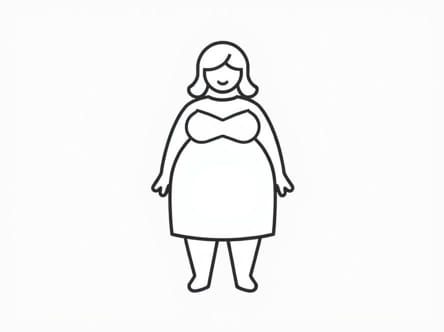
In many cultures, physical stature often carries deep symbolic meaning. A ‘persona alta y corpulenta,’ or a tall and corpulent person in Spanish, is not merely a description of size or shape. It can evoke ideas of strength, presence, dominance, or warmth depending on context. Understanding what it means to describe someone as alta y corpulenta goes beyond translating words; it involves interpreting physicality within language, culture, and perception. This topic will explore the nuances behind the expression, offer real-life applications, and examine how society views and responds to such individuals.
Understanding the Phrase ‘Persona Alta y Corpulenta’
Literal Breakdown
The phrase is composed of three Spanish words:
- Persona– person
- Alta– tall (referring to height)
- Corpulenta– corpulent or heavily built (referring to body mass)
Together, the phrase paints a picture of someone who stands tall and has a broad, solid body structure. It is commonly used in both descriptive and figurative language to highlight someone’s physical dominance or strong presence.
Use in Conversation
In everyday Spanish-speaking environments, persona alta y corpulenta is a neutral phrase that can carry positive, negative, or simply factual connotations depending on tone and context. For example:
- El guardia de seguridad era una persona alta y corpulenta. – Here, the phrase gives the impression of a strong, imposing figure suited for security work.
- La señora alta y corpulenta caminaba lentamente por el mercado. – In this case, it’s a simple physical observation without value judgment.
Physical Descriptions and Cultural Implications
Association with Strength and Authority
A tall and corpulent person is often subconsciously associated with strength. This perception may stem from historical views where size equated to physical power. In Latin American storytelling, a persona alta y corpulenta might be portrayed as a protector, a laborer, or even a commanding authority figure.
Warmth and Protection
Alternatively, corpulence can be interpreted as comforting and maternal or paternal. In familial settings, such individuals may be seen as warm and nurturing. This dual perception strength and comfort is part of what makes this phrase rich and versatile.
Body Image and Social Sensitivity
While the term itself is neutral, cultural shifts have heightened sensitivity around body descriptors. Describing someone as corpulent in English might be perceived negatively, but corpulenta in Spanish doesn’t always carry that stigma. Still, speakers often gauge when and how to use such terms, especially in public or professional settings.
Contextual Examples in Literature and Media
Character Development
Writers use persona alta y corpulenta as a tool to sketch vivid characters. This phrase often introduces individuals who are memorable, whether they’re formidable, kind-hearted, or mysterious. In novels or films, such characters frequently play central or protective roles.
Visual Media
In television and movies, a persona alta y corpulenta is commonly cast in roles like security guards, fathers, wrestlers, or even wise elders. The physical form supports the narrative being told through visual storytelling, reinforcing the character’s symbolic and functional roles.
Comparing with Similar Descriptions
Tall but Not Corpulent
Describing someone as only alto (tall) implies height without additional size. This could suggest elegance, athleticism, or lankiness, depending on context. A tall but slim person may not project the same sense of solidity or strength as someone alta y corpulenta.
Corpulenta but Not Tall
Conversely, a person who is corpulenta but not tall might be seen as sturdy or stocky. This combination can convey power in a different way often less imposing and more grounded.
Perception in Various Environments
Workplace
In physically demanding jobs like construction, law enforcement, or athletics, being a tall and corpulent person may be considered an asset. It can contribute to others’ perceptions of ability and authority, although competence ultimately depends on skills and character.
Social Settings
In social environments, a persona alta y corpulenta may draw attention. Whether admired, feared, or misunderstood, their physicality becomes part of their social identity. In tight-knit communities, such individuals are often well-known figures.
Health Implications
It’s important to note that while corpulent refers to body mass, it doesn’t automatically imply poor health. However, health discussions are increasingly common in modern societies, and some may associate corpulence with lifestyle concerns. Nonetheless, health cannot be assessed based solely on appearance.
Linguistic Importance of Physical Descriptions
Why Physical Descriptions Matter in Language
Language reflects how we interpret the world, and physical descriptions help form mental images that enhance understanding. Phrases like persona alta y corpulenta do more than describe they shape how we remember and relate to people.
Neutral vs. Subjective Descriptions
It is essential to differentiate between neutral physical descriptors and subjective ones. Alta y corpulenta is factual, while terms like elegant, massive, or intimidating introduce opinion. Using accurate terms maintains objectivity in speech and writing.
How to Use the Phrase Appropriately
When to Use It
Consider using the phrase when:
- You’re describing someone’s physical appearance in a respectful, neutral way.
- It adds relevant context to a story or explanation.
- You want to emphasize someone’s presence or size without implying judgment.
When to Avoid It
Be cautious when:
- Commenting on someone’s body uninvited.
- You’re unsure how the term will be received.
- You are in formal or sensitive settings where physical descriptors may be inappropriate.
Appreciating the Full Picture
Persona alta y corpulenta is more than a phrase it encapsulates a visual, emotional, and social impression of a person. While it describes physical traits, it also invites interpretations related to character and presence. Understanding its meaning and usage helps us communicate more precisely and respectfully. Whether in literature, conversation, or social dynamics, knowing how to describe others with care and clarity enriches our language and deepens our human connections.