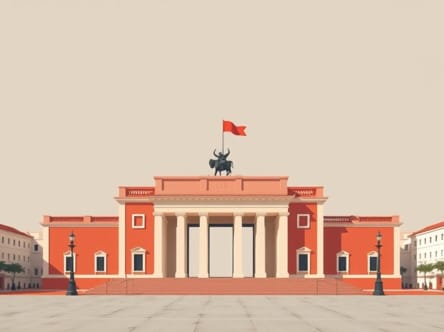
Located in the heart of Barcelona, the Plaza de Toros Monumental stands as one of the city’s most iconic historical landmarks. Known simply as La Monumental, this grand arena was once a centerpiece of Spanish bullfighting and public spectacle. While the building no longer hosts bullfights, its architectural beauty and cultural legacy continue to attract visitors from around the world. Whether you’re interested in Spanish history, architecture, or local culture, Plaza de Toros Monumental offers a glimpse into a unique chapter of Barcelona’s past.
Historical Background
Plaza de Toros Monumental was inaugurated in 1914 and was originally named ‘El Sport.’ Just two years later, it was renamed ‘La Monumental’ and officially became a key venue for bullfighting in Barcelona. During its heyday, the arena hosted some of the most famous matadors in the world and was a major hub for fans of the tradition.
A Symbol of Spanish Culture
Bullfighting has deep roots in Spanish history, and Plaza de Toros Monumental played a significant role in preserving and showcasing this heritage. While the practice has become controversial in recent decades, the Monumental reflects the importance that bullfighting once held in Spanish society. Visitors today can explore its architecture and exhibits to understand the cultural and emotional weight the sport carried in the early 20th century.
Architectural Highlights
The design of the Plaza de Toros Monumental is a striking example of Neo-Mudéjar and Byzantine Revival architecture. With its elaborate ceramic tile work, majestic domes, and rounded arches, the arena presents an eye-catching blend of styles that reflect Spain’s diverse artistic influences.
Architects Behind the Design
La Monumental was designed by Manuel Joaquim Raspall and later expanded by Domènec Sugrañes, a student of the famous architect Antoni GaudÃ. Their combined efforts gave the arena its distinctive facade and unique character.
Key Features
- Façade: Adorned with colorful tiles and decorative brickwork, the exterior is instantly recognizable.
- Domes: The two large domes are topped with blue and white ceramic tiles, enhancing the building’s grandeur.
- Capacity: The arena once held over 20,000 spectators during major events.
The Museum at La Monumental
Today, Plaza de Toros Monumental is home to a bullfighting museum that offers insight into the history of the sport and the arena itself. The museum contains a wide array of artifacts, including matador costumes, posters, and photographs from the past century.
What to Expect
- Original matador suits and capes
- Historical posters advertising famous bullfights
- Photographs of legendary bullfighters
- Exhibits explaining the rules and rituals of bullfighting
Visiting the museum allows guests to appreciate the art and tradition of bullfighting while gaining a critical understanding of its cultural context. Whether you’re a history buff or a curious traveler, the museum provides an educational and thought-provoking experience.
Current Use and Events
Since Catalonia banned bullfighting in 2010, Plaza de Toros Monumental no longer hosts bullfights. However, the arena has been repurposed for a variety of other events, including concerts, circuses, and cultural festivals. Its central location and large seating capacity make it an ideal venue for entertainment and public gatherings.
Modern Events
- Live music concerts
- Sporting exhibitions
- Theatrical performances
- Community festivals and parades
These events continue to bring life to the historic venue and keep it relevant in the cultural life of Barcelona.
Location and Accessibility
Plaza de Toros Monumental is situated in the Eixample district of Barcelona, making it easily accessible from anywhere in the city. It is well connected by public transportation, including metro and bus lines.
How to Get There
- Metro: Monumental Station (L2 Purple Line) is right next to the arena.
- Bus: Several city bus lines stop nearby, offering convenient access.
- Walking: A short stroll from Sagrada FamÃlia and other major attractions.
Because of its central location, many visitors include the Plaza de Toros Monumental in their walking tours of the city, especially when exploring architectural sites and historical landmarks.
Nearby Attractions
After visiting the Monumental, tourists can explore several other nearby attractions that showcase the cultural richness of Barcelona.
Sagrada FamÃlia
Only a 10-minute walk from the arena, GaudÃ’s masterpiece is a must-see for anyone visiting Barcelona. The church is still under construction but open for tours and visits year-round.
Glòries Shopping District
For those interested in shopping and dining, the Glòries district offers modern stores, food courts, and entertainment options.
Encants Flea Market
One of the oldest flea markets in Europe, this is a great place to browse antiques, books, and vintage finds.
Tips for Visiting
To make the most of your trip to Plaza de Toros Monumental, consider these helpful tips:
- Visit early in the day: Mornings are less crowded and provide better lighting for photography.
- Check event schedules: If you’re interested in attending a performance, look up the calendar ahead of time.
- Combine with nearby attractions: Plan a half-day itinerary that includes the Monumental and nearby sights.
- Respect the cultural sensitivity: While the building is beautiful, remember that bullfighting is a controversial topic for many.
Cultural Significance and Debate
The Plaza de Toros Monumental serves as a powerful reminder of Spain’s evolving cultural identity. While some see it as a symbol of tradition and art, others view it as a relic of a controversial past. The Catalan ban on bullfighting highlights this cultural shift, emphasizing modern values of animal welfare and public sentiment.
Despite this divide, the Monumental remains an important site for understanding Catalonia’s relationship with Spanish heritage. The building itself, now a protected historical monument, continues to educate and inspire through its museum and events.
Why Visit Plaza de Toros Monumental
Whether you’re a lover of architecture, history, or cultural exploration, Plaza de Toros Monumental offers a unique and enriching experience. From its visually stunning design to its role in Spanish and Catalan history, the arena stands as a testament to the complex and fascinating story of Barcelona. Today, it invites visitors not to witness bullfights, but to reflect on heritage, change, and the enduring beauty of historic landmarks.