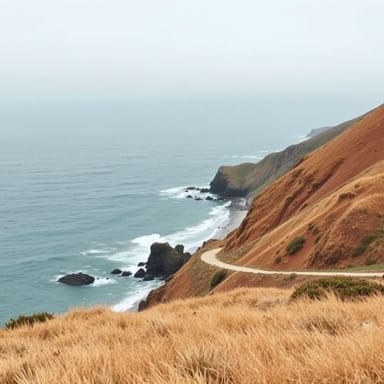
Located just north of San Francisco in Marin County,Point Reyes National Seashoreis a breathtaking coastal preserve that offers rugged cliffs, sandy beaches, rolling hills, and an extraordinary variety of wildlife. Spanning over 70,000 acres, this protected area is a paradise for hikers, nature lovers, and photographers. Its diverse ecosystems include grasslands, forests, estuaries, and the dramatic Pacific coastline, making it one of California’s most unique natural destinations. Whether you’re planning a day hike, a weekend getaway, or a wildlife-watching excursion, Point Reyes delivers scenic beauty and serenity that few places can match.
Geography and Location
Point Reyes National Seashore is a prominent peninsula that juts out into the Pacific Ocean, separated from the mainland by Tomales Bay. This geologically active region lies along the San Andreas Fault, which contributes to its dramatic landscapes and unique terrain.
Getting There
- From San Francisco, it’s about a 1.5 to 2-hour drive depending on traffic.
- Most visitors arrive via Highway 1 or Sir Francis Drake Boulevard.
- The Bear Valley Visitor Center serves as the main entrance and information hub.
The remote feel of Point Reyes adds to its appeal, offering a peaceful contrast to urban life just a short drive away.
Natural Attractions and Landmarks
The park is filled with iconic natural features and viewpoints that offer unforgettable experiences. From ocean cliffs to old-growth forests, Point Reyes is a treasure trove for outdoor explorers.
Must-See Destinations
- Point Reyes Lighthouse: Built in 1870, this historic lighthouse offers dramatic ocean views and is often enveloped in mist and wind.
- Drakes Beach: A scenic stretch of sand framed by tall cliffs, ideal for beachcombing and photography.
- Tomales Point: Known for its Tule Elk Reserve and expansive views of the Pacific Ocean and Tomales Bay.
- Alamere Falls: A rare tidefall that cascades directly onto the beach, accessible via a challenging but rewarding hike.
Each destination offers a distinct flavor of the park’s natural beauty and is worth including in your itinerary.
Hiking and Outdoor Recreation
Point Reyes is a hiker’s dream, with over 150 miles of trails catering to all levels of experience. From short scenic walks to multi-day backpacking trips, the park has options for everyone.
Popular Trails
- Bear Valley Trail: A gentle trail leading to the ocean, perfect for families and beginners.
- Sky Trail and Woodward Valley Trail: These intersecting routes offer sweeping views of the coast and forested landscapes.
- Tomales Point Trail: A moderately difficult hike known for wildlife viewing, especially tule elk and coastal birds.
- Palomarin Trailhead to Alamere Falls: A more strenuous adventure with views, waterfalls, and ocean breezes.
Trail maps are available at the visitor center, and hikers should be prepared for changing weather conditions and bring water, snacks, and proper gear.
Wildlife Watching
One of the greatest draws of Point Reyes is its rich biodiversity. The park is home to over 400 species of birds, 50 species of mammals, and numerous marine creatures.
Wildlife You Might See
- Elephant Seals: Found along the beaches at Año Nuevo and Chimney Rock, especially during mating season in winter.
- Whales: Gray whales can be spotted from the lighthouse or cliff overlooks during migration seasons.
- Tule Elk: A majestic species native to California, best seen at Tomales Point.
- Birds: Point Reyes is one of the best birdwatching sites in North America, with opportunities to see everything from hawks to songbirds.
Bring binoculars and a camera, and always maintain a safe distance from animals.
Beaches and Coastal Beauty
While the Pacific Ocean here can be rough and chilly, the beaches at Point Reyes are striking and perfect for walking, photography, and peaceful reflection. Swimming is generally discouraged due to strong currents.
Notable Beaches
- Limantour Beach: A long, sandy stretch ideal for long walks and birdwatching.
- Drakes Beach: Known for its cliffs and ease of access from the visitor center.
- Kehoe Beach: Accessible via a short walk, offering views of coastal bluffs and dune ecosystems.
These beaches showcase the rugged, untamed beauty of California’s northern coastline.
Camping and Overnight Stays
Point Reyes National Seashore does not have car camping within the park, but it offers a number ofbackcountry campsitesfor those who wish to experience the wilderness overnight.
Backcountry Campsites
- Sky Camp: Located on a ridge with ocean views and proximity to several trails.
- Glen Camp: A more sheltered site within a forested area, offering privacy and quiet.
- Coast Camp: Close to the beach and great for those who want to fall asleep to the sound of the waves.
Reservations are required for all camping and can be made through the National Park Service system. Nearby towns like Inverness and Point Reyes Station also offer charming inns and bed-and-breakfasts for less rustic lodging.
Educational and Historical Sites
Point Reyes is not just a natural wonder it also offers educational opportunities and insights into the region’s history, from indigenous cultures to maritime heritage.
Highlights for History Buffs
- Kule Loklo: A reconstructed Coast Miwok village that honors the area’s first inhabitants.
- Point Reyes Lighthouse: Offers historical context on maritime navigation and shipwrecks along the coast.
- Historic Ranches: Some of the dairy ranches within the park are still active, reflecting a unique cultural landscape.
Interpretive exhibits and ranger-led programs help visitors connect with the stories behind the land.
Tips for Visiting Point Reyes
Before heading out to explore this expansive park, a few tips can help make your visit smooth and enjoyable.
What to Bring
- Layered clothing – the weather can change quickly
- Comfortable walking or hiking shoes
- Water, snacks, and sunscreen
- Map or GPS (cell service is spotty in some areas)
- Camera or binoculars for wildlife and scenery
Best Time to Visit
- Spring: Ideal for wildflowers and whale watching
- Summer: Cool temperatures and foggy mornings, great for hiking
- Autumn: Clearer skies and fewer crowds
- Winter: Elephant seal viewing and dramatic coastal weather
A Coastal Gem Worth Exploring
Point Reyes National Seashoreoffers a rare combination of natural beauty, rich wildlife, and cultural history. Whether you’re hiking to a windswept cliff, watching elk in the mist, or strolling a quiet beach at sunset, this unique destination delivers unforgettable experiences. Just a short drive from the Bay Area, it’s an accessible yet wild retreat that continues to inspire all who visit. For those looking to reconnect with nature, discover scenic trails, or simply breathe in the salty ocean air, Point Reyes remains one of California’s most treasured coastal escapes.