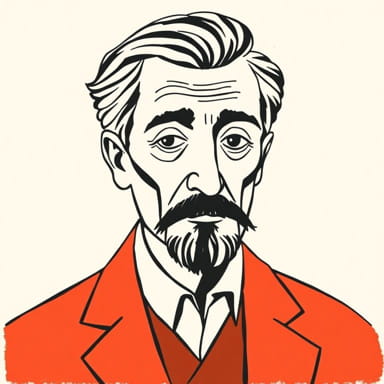
Maurice Utrillo remains one of the most distinctive and emotionally resonant painters of the 20th century. Known primarily for his haunting cityscapes of Montmartre, Utrillo’s life and work reflect a blend of artistic sensitivity and personal turmoil. When exploring any Portrait of Maurice Utrillo, one doesn’t simply see a man, but an artist shaped by psychological struggles, maternal influence, and the bohemian spirit of Paris. These portraits capture more than facial features they delve into his internal landscape, marked by solitude, melancholy, and genius.
Early Life and Background
Born into a Creative Environment
Maurice Utrillo was born in 1883 in the Montmartre district of Paris, a neighborhood that would define much of his work. He was the son of the famed model and artist Suzanne Valadon, who posed for renowned artists such as Pierre-Auguste Renoir and Henri Toulouse-Lautrec. His father’s identity was uncertain, though artist Miguel Utrillo later recognized him as his son.
This artistic atmosphere played a major role in shaping Utrillo’s perspective. Surrounded by painters, poets, and musicians, he absorbed the spirit of creative expression from an early age, even though he initially showed little interest in painting himself.
The Role of Mental Health and Art Therapy
Utrillo’s struggle with alcoholism and mental illness began in his teens. At the suggestion of his mother, painting became a form of therapy a way to channel his erratic behavior into something productive. This therapeutic journey not only helped stabilize his life but also laid the foundation for a compelling career in art.
The Artistic Evolution of Utrillo
From Realism to the White Period
Utrillo’s earliest works adhered closely to realism, portraying the streets and architecture of Montmartre with subdued accuracy. As his style developed, he entered what art historians call the White Period, roughly from 1909 to 1914. During this phase, he used white zinc and other muted tones to depict buildings, streets, and churches with a sense of quietude and decay.
It is during this time that portraits of Utrillo painted by contemporaries or depicted in written descriptions began to show a reflective, distant man. These portraits often contrasted sharply with the lively urban scenes he painted, presenting instead a solitary figure at odds with the bustling Parisian world around him.
Visual Portraits of Maurice Utrillo
Depictions by Fellow Artists
Throughout his life, Utrillo sat for various portraits created by artists who admired or befriended him. These portraits provide fascinating insight into how he was perceived by those around him. Common features in these depictions include:
- Somber or introspective facial expressions
- Unkempt hair and modest clothing
- A generally weary or distant demeanor
Such portrayals emphasize Utrillo’s internal conflict he was a man consumed by both his passion for painting and the shadow of addiction and mental illness. Artists often captured his brooding eyes, suggesting a depth of emotion and memory not immediately visible to the casual observer.
Symbolic Interpretations in Portraits
Some artists portrayed Utrillo in symbolic ways, using stylistic choices to communicate aspects of his personality. For example, Utrillo might be placed against a background of desolate Parisian streets or faded buildings, reinforcing the connection between the artist and the subject matter he loved. These visual choices served not only as artistic flourishes but also as windows into Utrillo’s soul.
Psychological Themes in Utrillo’s Image
The Gaze of Isolation
In almost every known portrait of Maurice Utrillo, there’s an underlying theme of isolation. Whether seated alone or depicted against barren urban scenes, Utrillo’s gaze is often far away either lost in thought or detached from his surroundings. This emotional distance has intrigued critics for decades, often interpreted as a reflection of his troubled personal life and disconnection from society.
Melancholy and Genius
Utrillo’s portraits capture the paradox of artistic genius entangled with emotional instability. His life was marked by hospitalizations and relapses, but also by periods of intense creativity. These dynamics are subtly woven into the portraits created during his lifetime, which seem to ask viewers not just to observe, but to empathize.
Legacy and Cultural Perception
The Myth of the Suffering Artist
Maurice Utrillo’s image has become something of a cultural myth. As with other artists who suffered for their craft, his story is often romanticized. Portraits contribute to this mythos, frequently emphasizing the suffering behind the brush. Yet it’s important to remember that Utrillo’s life also included moments of connection, beauty, and triumph.
Influence on Modern Artists
Utrillo’s visual identity continues to influence contemporary artists interested in psychological depth and biographical storytelling. His life and portraits are often used in academic discussions of how mental health intersects with creative output. Portraits of Utrillo are not just images they are texts filled with narrative and subtext.
Collecting and Exhibiting Utrillo Portraits
Where to Find His Portraits Today
Portraits of Maurice Utrillo whether photographs, oil paintings, or drawings can be found in private collections and several European museums. While his own paintings often draw the spotlight, these portraits provide an essential complementary view of the man behind the canvas.
Why Collectors Value These Works
Collectors often seek portraits of Maurice Utrillo because they offer a personal dimension that his cityscapes do not. A portrait adds intimacy it bridges the gap between the observer and the creator. For fans of early modern art, these images offer not only historical value but emotional resonance.
The Portrait of Maurice Utrillo is more than a representation of a painter it’s a mirror reflecting the complexities of a life lived between creativity and chaos. Whether created by his contemporaries or interpreted by modern artists, these portraits continue to draw interest because they encapsulate the spirit of an era and the heart of an artist. For those captivated by Montmartre’s charm or drawn to stories of artistic resilience, Utrillo remains a figure worth contemplating not just through his art, but through the many faces he left behind.