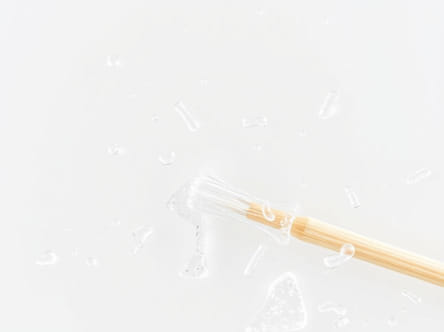
Using Q-tips soaked in hydrogen peroxide is a common practice for cleaning minor wounds, removing earwax, and maintaining oral hygiene. Hydrogen peroxide is a mild antiseptic that releases oxygen when applied to tissue, helping to clean the area and kill bacteria. However, its usage must be approached carefully, as improper application can lead to irritation, tissue damage, or other complications. Understanding the benefits, risks, and correct techniques for using Q-tips with hydrogen peroxide is essential for safe and effective application.
Understanding Hydrogen Peroxide
Hydrogen peroxide (H2O2) is a chemical compound with antiseptic properties widely used in households and medical settings. When it comes into contact with skin or other tissues, it reacts with catalase, an enzyme present in cells, producing water and oxygen. This bubbling action helps to mechanically remove debris, dead tissue, and pathogens from surfaces. The concentration commonly available for home use is 3%, which is generally safe for superficial applications.
Mechanism of Action
Hydrogen peroxide kills bacteria through oxidative stress. The oxygen bubbles help to lift debris and loosen earwax or dried blood. In minor cuts, scrapes, and oral use, this action can prevent infection. However, overuse or high concentrations may damage healthy cells, leading to delayed healing or irritation.
Uses of Q-Tips Soaked in Hydrogen Peroxide
Q-tips provide precision in applying hydrogen peroxide to small areas, which is why they are frequently used for targeted cleaning or treatment.
Earwax Removal
One of the most common uses is softening and removing earwax. When a Q-tip is dipped in hydrogen peroxide and gently applied to the outer ear canal, the bubbling helps to loosen wax. However, it is important never to insert the Q-tip deep into the ear canal, as this can push wax further in or damage the eardrum.
Minor Wound Cleaning
Hydrogen peroxide can be applied to small cuts, scrapes, or abrasions to clean debris and reduce the risk of infection. Using a Q-tip allows for controlled application, especially in delicate or hard-to-reach areas. Care should be taken to dab rather than rub, minimizing tissue irritation.
Oral Hygiene
Some people use Q-tips soaked in diluted hydrogen peroxide to clean the gums or teeth. This can help reduce bacteria and promote oral health. A common practice is using a 1-2% solution for gentle application, ensuring that the hydrogen peroxide is not swallowed in significant amounts.
Benefits of Using Q-Tips with Hydrogen Peroxide
- Precise application The Q-tip allows controlled, targeted treatment of small or delicate areas.
- Antiseptic effect Hydrogen peroxide reduces the risk of infection by killing bacteria.
- Debris removal Oxygen bubbles mechanically help to loosen earwax, dried blood, or dead tissue.
- Cost-effective Hydrogen peroxide is inexpensive and widely available for household use.
Risks and Precautions
While hydrogen peroxide has benefits, improper use can lead to problems. Overuse, high concentrations, or deep insertion into the ear canal may cause irritation, burns, or tissue damage.
Ear Complications
Deep insertion of Q-tips into the ear canal can cause eardrum perforation, infection, or impacted wax. It is safest to limit hydrogen peroxide application to the outer ear or consult a healthcare provider for earwax removal.
Skin and Wound Issues
Excessive use on cuts or abrasions can damage healthy cells, slowing healing. It is advisable to use hydrogen peroxide for initial cleaning and then switch to milder antiseptics or saline for ongoing wound care.
Oral Considerations
Swallowing hydrogen peroxide can be harmful, causing nausea or gastrointestinal irritation. Always use diluted solutions and avoid ingestion. For sensitive gums or teeth, test a small area first to prevent irritation.
Proper Technique
Using Q-tips with hydrogen peroxide safely involves simple steps
- Use a low concentration (3% or diluted for oral use).
- Dip the Q-tip lightly; avoid soaking excessively.
- Apply gently to the surface without deep insertion, especially in the ear canal.
- Dab rather than rub on wounds to minimize tissue damage.
- Rinse the area with water or saline after application if appropriate.
- Dispose of Q-tips after single use to prevent contamination.
Alternatives and Complementary Methods
For earwax removal, saline solutions, ear drops, or professional irrigation may be safer alternatives. For wound care, mild antiseptic solutions, sterile saline, or antibiotic ointments can be used after initial hydrogen peroxide cleaning. Oral hygiene can be maintained with regular brushing, flossing, and mouthwash, with diluted hydrogen peroxide used occasionally for antibacterial effect.
When to Seek Medical Advice
Consult a healthcare professional if
- There is persistent ear pain, hearing loss, or discharge after hydrogen peroxide use.
- Wounds show signs of infection such as redness, swelling, pus, or worsening pain.
- There is any adverse reaction in the mouth, including burning or irritation.
- Underlying medical conditions, such as diabetes or immune compromise, may affect healing.
Q-tips soaked in hydrogen peroxide can be a useful tool for minor cleaning tasks, including earwax removal, wound care, and targeted oral hygiene. However, careful technique and attention to concentration and area of application are essential to prevent complications. While hydrogen peroxide has antiseptic properties and mechanical benefits, it should be used judiciously, with consideration for safer alternatives and medical guidance when necessary. Proper use can enhance hygiene and reduce the risk of infection, but misuse can result in tissue damage, irritation, or other adverse effects.