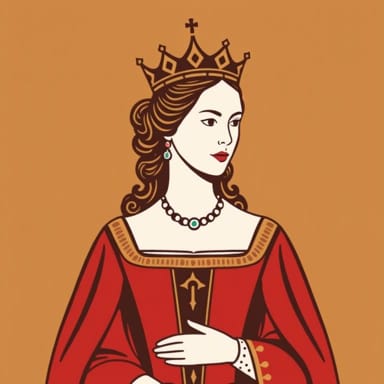
Queen Catherine of Valois stands as a compelling figure in the rich tapestry of English and French history. Born into the powerful French royal family, her life would take a dramatic turn as she became Queen of England through her marriage to King Henry V. However, her story does not end with royal titles and political alliances. Catherine’s life included intrigue, personal struggles, and a secret romance that would ultimately influence the lineage of future monarchs, including the Tudor dynasty. Her unique role during the Hundred Years’ War and the shifting loyalties of the medieval nobility make her a crucial subject for understanding late medieval European history.
Early Life and Royal Lineage
Catherine of Valois was born on October 27, 1401, in Paris, France. She was the daughter of King Charles VI of France, known for his bouts of mental illness, and Queen Isabeau of Bavaria. As a member of the House of Valois, Catherine was part of one of the most prestigious royal families in Europe. Her early years were marked by political turmoil in France due to her father’s illness and the escalating conflict with England, later known as the Hundred Years’ War.
Growing up amidst courtly instability, Catherine’s early life was shaped by the politics of marriage. Like many royal daughters of her time, she was viewed as a diplomatic asset to be married off for political advantage. This would become a central theme in her life as she was drawn into the complex web of English-French relations.
Marriage to King Henry V of England
The marriage between Catherine and Henry V was largely a result of the Treaty of Troyes in 1420, which recognized Henry as heir to the French throne. This treaty was a major diplomatic victory for England and sought to unite the crowns of France and England through marriage. Catherine married Henry V on June 2, 1420, at Troyes Cathedral in France. Their union symbolized a momentary truce between the warring nations.
As Queen of England, Catherine traveled to England and was crowned at Westminster Abbey in 1421. She gave birth to their only child, Henry VI, in December of the same year. However, her time as queen consort was short-lived. In August 1422, King Henry V died suddenly, leaving Catherine a widow at the age of 21 and mother to an infant heir who would eventually become a deeply troubled monarch.
The Impact of Widowhood
Following the death of her husband, Catherine of Valois found herself in a politically sensitive position. As the mother of the new King of England, her influence was limited by the powerful English regency council. She was expected to live quietly and not remarry without royal consent, a rule specifically created due to fears that her remarriage could result in foreign political alliances or challenges to her son’s authority.
Despite these restrictions, Catherine’s next relationship would leave a lasting mark on English history. It is widely believed that she entered into a secret relationship with Owen Tudor, a Welsh courtier of relatively modest background. This relationship, though not officially recognized at first, would ultimately connect the House of Tudor to the English throne.
Relationship with Owen Tudor
Though details remain uncertain, Catherine and Owen Tudor likely married in secret, avoiding scandal and political intervention. They had several children together, including Edmund Tudor, who would become the father of Henry VII the founder of the Tudor dynasty. This connection transformed Catherine’s legacy, linking her to one of the most influential royal houses in British history.
Owen Tudor himself would eventually be arrested after Catherine’s death, but the legitimacy of their children would gain increasing recognition as political tides changed. Their son Edmund married Margaret Beaufort, and their grandson, Henry Tudor, claimed the throne in 1485 following the Battle of Bosworth Field, ending the Wars of the Roses and beginning the Tudor era.
Death and Burial
Queen Catherine of Valois died on January 3, 1437, at the relatively young age of 35. Some sources suggest she passed away at Bermondsey Abbey, possibly due to childbirth complications or illness. She was buried at Westminster Abbey, and her tomb became a point of historical curiosity for centuries.
Notably, her body was reportedly exhumed during renovations in the 17th century and displayed publicly for a time an unusual fate for a queen. Eventually, her remains were reinterred in Westminster Abbey, close to Henry V, though their son Henry VI had failed to provide a proper tomb during his reign.
Legacy of Catherine of Valois
Catherine of Valois’ legacy is deeply intertwined with both English and French royal history. Her life illustrates the complexities of medieval queenship, particularly for women caught between political expectation and personal desires. Her role as mother of Henry VI and grandmother of Henry VII positions her as a pivotal link between the medieval Plantagenet kings and the early modern Tudor dynasty.
Historical Influence
- Her marriage to Henry V solidified a temporary English claim to the French throne.
- She played a symbolic role in Anglo-French diplomacy during a key period of the Hundred Years’ War.
- Her secret marriage to Owen Tudor established the line that would lead to the Tudors’ rise to power.
Despite the efforts to suppress her personal choices during her widowhood, Catherine’s defiance in pursuing her relationship with Owen Tudor speaks to her strength and agency. Her descendants would go on to redefine English monarchy, most notably under Henry VIII and Elizabeth I.
Queen Catherine of Valois lived a life shaped by royal duty, personal loss, and quiet rebellion. As a queen, a widow, and a mother, she navigated a world dominated by power politics with remarkable resilience. Though often overshadowed by more prominent historical figures, her influence echoes through the royal lineages of England and France. Her legacy endures not only through her son and grandchildren but through the dynastic transformation she helped set into motion by following her heart. Understanding Catherine’s story provides valuable insight into the roles and constraints faced by royal women in medieval Europe and highlights the unexpected ways in which they could shape the course of history.