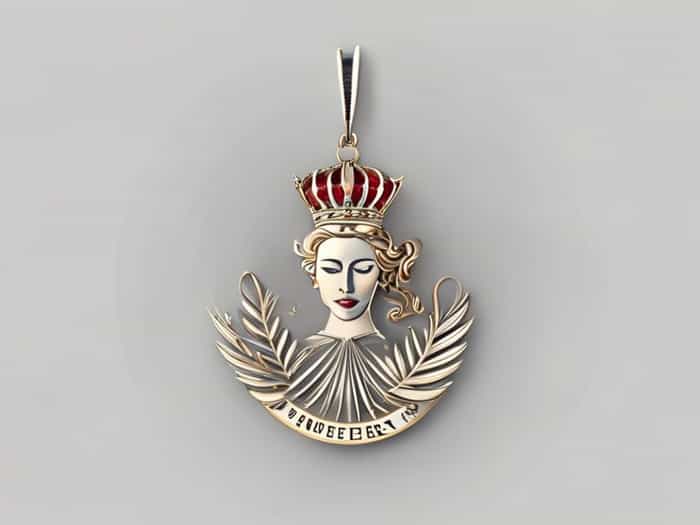
The Queen’s Platinum Jubilee Medal is a significant commemorative award that celebrates the remarkable milestone of a monarch’s 70 years on the throne. Reaching a platinum jubilee is an exceptionally rare event, marking seven decades of dedication, service, and leadership. The medal is issued to honor those who have contributed to public life, the armed forces, emergency services, and community organizations during the reign of the queen. Beyond its ceremonial and symbolic significance, the Platinum Jubilee Medal reflects the appreciation of service and loyalty, while also commemorating a historic period in British and Commonwealth history.
Historical Context of the Platinum Jubilee
The Platinum Jubilee is a landmark occasion, representing 70 years of a monarch’s rule. In the history of the United Kingdom, very few rulers have achieved this milestone, making it a moment of great national significance. The medal issued to mark this occasion continues a long-standing tradition of commemorative medals, which have been used to recognize milestones such as coronations, silver jubilees, golden jubilees, and diamond jubilees. Each medal carries with it a sense of history, tradition, and the recognition of service to the nation.
Origins of Commemorative Medals
Commemorative medals have been awarded by monarchs for centuries, often to celebrate milestones, royal events, or notable contributions to society. These medals are more than just decorative; they serve as a symbol of acknowledgment and appreciation. The Queen’s Platinum Jubilee Medal continues this tradition, providing a tangible representation of a historic celebration while rewarding those who have actively served their communities, institutions, or the Crown.
Design of the Queen’s Platinum Jubilee Medal
The design of the Platinum Jubilee Medal is carefully crafted to reflect the significance of the occasion. Typically, the medal features the effigy of the Queen on the obverse, symbolizing her reign and personal connection to the award. The reverse side often carries an emblem or inscription that commemorates the platinum jubilee and the historical milestone of seventy years of service. The medal is usually made from high-quality materials to ensure durability and to reflect the prestige of the award.
Ribbon and Symbolism
The medal is suspended from a distinctive ribbon, which carries specific colors and patterns that symbolize the Platinum Jubilee. The choice of colors and design elements often reflects the national identity, royal heritage, and ceremonial significance of the event. The ribbon allows the medal to be worn on formal occasions, military uniforms, or by recipients in public ceremonies, highlighting their recognized service and the importance of the platinum jubilee celebration.
Eligibility and Recipients
The Queen’s Platinum Jubilee Medal is awarded to individuals who have demonstrated service and commitment during the reign of the Queen. Recipients include members of the armed forces, emergency services, public officials, and notable community leaders. The eligibility criteria ensure that the medal honors a broad range of contributions, recognizing both formal service and voluntary work that supports the nation and its people.
Military and Civil Recognition
Military personnel often receive the Platinum Jubilee Medal in recognition of their dedication, professionalism, and commitment to national defense. This includes active members of the armed forces, reservists, and those who have served in operational roles. Civilian recipients may include emergency service workers, public officials, and volunteers whose actions have had a significant impact on their communities. By awarding both military and civilian recipients, the Platinum Jubilee Medal emphasizes the diverse ways in which individuals contribute to society.
Presentation and Ceremonial Significance
The presentation of the Queen’s Platinum Jubilee Medal is typically accompanied by formal ceremonies, which may be held at royal palaces, military bases, or community events. Recipients receive the medal in recognition of their service, and ceremonies often include speeches, official photographs, and public acknowledgment. These events not only honor the individuals but also reinforce the connection between the monarchy and the citizens it serves.
Wearing the Medal
Recipients are entitled to wear the Platinum Jubilee Medal on appropriate occasions, such as national celebrations, official ceremonies, or military parades. Wearing the medal serves as a visible symbol of recognition and achievement, and it highlights the recipient’s contribution to society. The medal is worn with respect and pride, reflecting the historical significance of the Queen’s seventy-year reign and the honor bestowed upon the recipient.
Significance in British and Commonwealth History
The Queen’s Platinum Jubilee Medal is more than a personal award; it represents a historic period in British and Commonwealth history. Seventy years of a single monarch’s rule is a rare occurrence, symbolizing stability, continuity, and enduring leadership. The medal commemorates this milestone while also acknowledging the individuals who have supported the monarchy and contributed to the nation’s social, civic, and military institutions during this remarkable period.
Legacy of the Medal
As a commemorative award, the Platinum Jubilee Medal will serve as a lasting reminder of this historic milestone. Recipients and their families often treasure the medal as a symbol of personal achievement and recognition of service. Additionally, the medal becomes part of the wider historical record, documenting the contributions of individuals during the Queen’s reign and preserving their legacy for future generations.
Community and Cultural Impact
The awarding of the Queen’s Platinum Jubilee Medal also has a broader impact on communities and society at large. By highlighting acts of service and dedication, the medal inspires others to contribute to public life and volunteerism. It reinforces the values of loyalty, commitment, and civic responsibility, showing that individual actions can have a meaningful impact on society. The medal also strengthens the relationship between the monarchy and the public, creating a sense of shared celebration and national pride.
Encouraging Public Service
Recognizing individuals through the Platinum Jubilee Medal encourages continued commitment to public service. Schools, organizations, and local communities often celebrate recipients, using the award as an example of the positive influence one person can have. This cultural impact extends beyond the individual, promoting social cohesion and inspiring future generations to uphold values of dedication, courage, and service.
The Queen’s Platinum Jubilee Medal is a significant and meaningful award that commemorates a historic seventy-year reign while honoring those who have contributed to society, the military, and public life. Its design, eligibility criteria, and ceremonial presentation reflect the importance of service, dedication, and loyalty. Beyond personal recognition, the medal serves as a symbol of national pride, historical continuity, and cultural heritage. As recipients wear and preserve the medal, they carry forward the legacy of the Queen’s remarkable reign and the enduring values of duty, commitment, and service that the Platinum Jubilee represents. This prestigious medal not only celebrates the past but also inspires future generations to act with integrity and dedication in their communities.