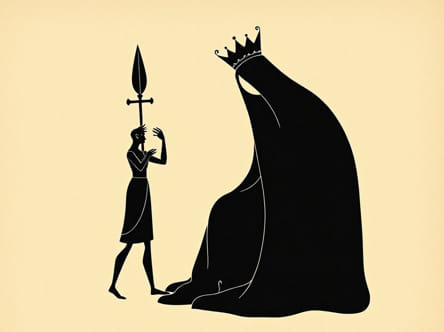
Hieronymus Bosch was a Dutch painter whose fantastical and often disturbing works continue to fascinate audiences around the world. Active during the late 15th and early 16th centuries, Bosch created vivid, highly imaginative scenes filled with symbolic imagery, religious allegory, and deep psychological tension. Unlike many artists of his time, Bosch used his art not to glorify individuals or retell familiar biblical stories in conventional ways, but to explore complex moral and spiritual themes. To understand who Hieronymus Bosch was, we must look into his life, his environment, his artistic vision, and the legacy that has shaped art history ever since.
Origins and Early Life
Birth and Background
Hieronymus Bosch was born around 1450 in the town of ‘s-Hertogenbosch in the Duchy of Brabant, a region in what is now the Netherlands. His birth name was Jheronimus van Aken, and he came from a family of painters. His grandfather, father, and several uncles were also artists, and Bosch likely received his initial training in their family workshop.
The town of ‘s-Hertogenbosch was a thriving center of trade, religion, and culture during the Northern Renaissance. Bosch grew up in a time of religious tension, societal transformation, and deep spiritual anxiety all of which would later find expression in his art. Adopting the name Bosch from his hometown was a way of identifying himself professionally and distinguishing his work from other members of his family.
Influence of Religion and Society
The late medieval period in which Bosch lived was marked by a deeply religious worldview. The Catholic Church dominated spiritual life, and concerns about sin, the afterlife, and divine punishment were widespread. Bosch’s paintings reflect these anxieties, often illustrating the consequences of human folly, the dangers of temptation, and the horrors of damnation. His art was not only personal but also a reflection of the collective fears and beliefs of his society.
Unique Artistic Style
Visionary and Symbolic
What sets Bosch apart from other painters of his era is his distinctive, visionary style. Instead of presenting idealized scenes or realistic portraits, Bosch filled his canvases with bizarre creatures, unsettling figures, and otherworldly landscapes. These elements were not merely decorative they were filled with meaning.
His paintings often require close inspection and deep interpretation. Each detail, no matter how strange, served a purpose. Whether it’s a hybrid animal, a strange mechanical device, or a surreal depiction of hell, everything contributes to a larger moral or religious narrative. Bosch challenged viewers to look beyond appearances and consider the spiritual lessons hidden within the images.
Techniques and Materials
Bosch typically worked in oil on wood panels, using a fine and meticulous technique. His compositions were complex and densely packed, with careful attention to detail and layering. He often painted triptychs three-panel works designed to be opened and closed which allowed him to create dramatic contrasts between scenes of paradise, earthly life, and hell.
Major Works
The Garden of Earthly Delights
This triptych is perhaps Bosch’s most famous work and remains one of the most analyzed paintings in art history. The left panel shows the Garden of Eden, the central panel presents a chaotic world of human pleasure, and the right panel depicts a terrifying hellscape. Scholars debate whether the piece is a warning against hedonism or a more complex allegory about human nature and divine judgment.
The Haywain Triptych
This painting follows a similar structure and message. The central image depicts people pursuing a giant haywagon, a symbol of materialism and vanity. Surrounding the cart are scenes of sin and corruption, and the final panel leads the viewer into hell. The work serves as a stark reminder of the emptiness of earthly desires.
The Temptation of St. Anthony
Another key work, this triptych portrays the saint’s struggles against demonic visions and inner conflict. Bosch uses surreal and grotesque figures to illustrate the spiritual battle between virtue and temptation. The strange and sometimes humorous imagery adds layers of meaning to an already powerful subject.
Interpretations and Impact
Multiple Meanings
Interpretations of Bosch’s art vary widely. Some see him as a devout Christian moralist using shocking images to communicate traditional teachings. Others view his work as subversive, possibly even critical of the Church. There are also those who consider him a precursor to surrealism, interested in dreams, psychology, and the unconscious mind. Whatever the case, Bosch’s paintings continue to invite reflection and debate.
Influence on Art and Culture
Though Bosch had few direct followers in his lifetime, his influence has been profound. Artists like Pieter Bruegel the Elder adopted some of his themes and visual styles. In the modern era, Bosch’s work inspired surrealists like Salvador Dalà and filmmakers such as Guillermo del Toro. His ability to visualize inner turmoil and abstract moral concerns has made his work timeless.
Later Years and Death
Final Years
Little is known about Bosch’s personal life. He was married to Aleyt Goyaerts van den Meerveen, a wealthy woman from a prominent family. This marriage may have given Bosch financial stability, allowing him to focus on his art. He was also a member of a religious brotherhood, which further suggests his personal faith played a role in his creative work.
Bosch died in 1516 in his hometown of ‘s-Hertogenbosch. He left behind a legacy that was not fully understood in his own time, but that would grow in importance with the passing centuries.
Legacy and Modern Appreciation
Preservation and Recognition
Today, Bosch is recognized as one of the most original and influential artists of the Northern Renaissance. His works are housed in major museums across Europe, and exhibitions dedicated to his life and art continue to attract large audiences. His style, so unique and mysterious, has earned him a place not just in art history books, but in popular culture as well.
Why He Still Matters
In a world that often struggles with moral ambiguity, spiritual uncertainty, and existential dread, Bosch’s paintings still resonate. They remind us of the fragility of human nature, the dangers of unchecked desire, and the possibility of redemption. Bosch dared to explore the darker sides of existence, using imagination as a tool for reflection.
For those asking quien fue Hieronymus Bosch, the answer lies not only in historical records but in the enduring power of his art. He was a visionary who transformed fear, faith, and fantasy into unforgettable visual experiences an artist whose work still challenges and inspires people across centuries.