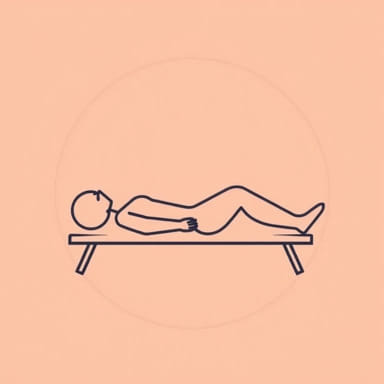
Positioning patients correctly is a fundamental aspect of healthcare, as it can significantly affect comfort, circulation, respiratory function, and overall recovery. Among the various positions used in medical care, the recumbent and semi-recumbent positions are particularly important in both hospital and home care settings. These positions are commonly employed for patients who are bedridden, recovering from surgery, or dealing with respiratory, cardiac, or gastrointestinal issues. Understanding the distinctions, benefits, and applications of these positions is essential for caregivers, nurses, and healthcare professionals.
Defining Recumbent and Semi-Recumbent Positions
The recumbent position is generally defined as a position in which a patient lies flat on their back with their body fully supported by a bed or surface. In this position, the spine remains neutral, and the head, neck, and torso are aligned without elevation. It is commonly used for resting, sleeping, or conducting certain medical assessments and procedures. This position provides maximum support and minimizes strain on the body but may have certain drawbacks for patients with breathing or gastrointestinal issues.
In contrast, the semi-recumbent position involves elevating the upper body to an angle between 30 and 45 degrees, often using an adjustable bed, pillows, or wedges. Unlike the fully recumbent position, the semi-recumbent posture allows for partial upright alignment, which can improve respiratory function, reduce the risk of aspiration, and enhance comfort during prolonged bed rest. Both positions have unique indications and benefits, and the choice depends on the patient’s medical condition and therapeutic goals.
Benefits of the Recumbent Position
The recumbent position offers several advantages for patients, particularly those requiring complete rest or spinal support. Some of the primary benefits include
- Spinal AlignmentLying flat ensures neutral alignment of the spine, reducing pressure on the vertebrae and promoting musculoskeletal comfort.
- Circulatory SupportWith no elevation, blood circulation is evenly distributed throughout the body, which may help prevent pooling in the extremities.
- Ease of AssessmentMedical professionals can easily examine patients in the recumbent position, facilitating physical assessments, vital sign monitoring, and certain procedures.
- Rest and RecoveryFull-body support minimizes muscle strain and fatigue, promoting rest for patients recovering from illness, surgery, or injury.
Despite these benefits, the recumbent position may not be suitable for patients with respiratory compromise, heart failure, or gastroesophageal reflux, as lying completely flat can exacerbate breathing difficulties or increase the risk of aspiration.
Advantages of the Semi-Recumbent Position
The semi-recumbent position is widely recommended for patients with respiratory, cardiac, or digestive concerns. Elevating the upper body provides several important benefits
- Improved BreathingRaising the head and torso facilitates lung expansion and reduces pressure on the diaphragm, aiding patients with chronic obstructive pulmonary disease (COPD), asthma, or pneumonia.
- Reduced Risk of AspirationIn patients with swallowing difficulties or those receiving enteral feeding, a semi-recumbent angle of 30-45 degrees reduces the likelihood of gastric contents entering the airway.
- Enhanced ComfortMany patients find the semi-recumbent position more comfortable for reading, watching television, or interacting with caregivers.
- Gastrointestinal ReliefElevating the upper body can help reduce symptoms of acid reflux or heartburn, making it a preferred position for patients with gastroesophageal reflux disease (GERD).
While the semi-recumbent position offers substantial advantages, maintaining this posture requires careful attention to support devices and patient alignment to prevent sliding, pressure ulcers, or musculoskeletal strain.
Clinical Applications and Considerations
Healthcare providers select recumbent or semi-recumbent positions based on specific patient needs and clinical situations. Common applications include
Postoperative Care
After surgery, positioning can influence recovery outcomes. The semi-recumbent position is often used for patients recovering from abdominal or thoracic surgery to reduce tension on incisions and improve breathing. Conversely, the recumbent position may be employed immediately after certain surgical procedures to provide full-body support and facilitate monitoring.
Respiratory Conditions
Patients with respiratory compromise, including pneumonia, COPD, or sleep apnea, benefit significantly from semi-recumbent positioning. Elevating the head and torso improves ventilation, enhances oxygenation, and reduces the work of breathing, thereby decreasing the risk of complications.
Enteral Feeding
For patients receiving tube feeding, maintaining a semi-recumbent position during and after feeding is critical. Elevating the upper body reduces the risk of aspiration pneumonia, which can result from regurgitation of gastric contents into the lungs.
Cardiac Patients
Individuals with congestive heart failure or orthopnea may experience discomfort when lying flat. A semi-recumbent position helps relieve pressure on the lungs and heart, improving breathing and comfort. Recumbent positioning, in contrast, may exacerbate shortness of breath in these patients.
Techniques for Proper Positioning
Achieving correct recumbent or semi-recumbent positioning requires attention to body alignment, support, and comfort. Key techniques include
- Pillow PlacementFor semi-recumbent positioning, pillows can support the head, neck, and upper back. Additional pillows under the knees or lower back can enhance comfort.
- Adjustable BedsHospital beds with adjustable head sections facilitate precise semi-recumbent angles between 30 and 45 degrees.
- Foot SupportPlacing a pillow or wedge under the feet prevents sliding and maintains alignment, especially in the semi-recumbent position.
- Frequent RepositioningTo prevent pressure ulcers and maintain circulation, patients should be repositioned regularly, whether in recumbent or semi-recumbent positions.
Risks and Precautions
Both recumbent and semi-recumbent positions carry potential risks if not properly implemented. Healthcare providers should monitor for
- Pressure UlcersProlonged pressure on bony prominences can cause skin breakdown. Regular repositioning and cushioning are essential.
- Circulatory IssuesRecumbent patients may experience reduced venous return, increasing the risk of blood clots.
- Musculoskeletal DiscomfortIncorrect alignment or insufficient support can lead to back, neck, or limb pain.
- Sliding or FallingIn semi-recumbent positions, patients may slide down if proper support is not provided, risking injury.
Patient Education and Comfort
Educating patients and caregivers about the importance of positioning is vital. Patients should understand how recumbent and semi-recumbent positions impact breathing, digestion, and circulation. Encouraging self-adjustment with guidance on pillow placement, bed angle, and posture helps improve comfort and adherence to positioning protocols. Additionally, caregivers should be trained to recognize signs of discomfort, pressure areas, or changes in respiratory or cardiac status.
Recumbent and semi-recumbent positions are essential tools in patient care, each offering specific benefits based on the individual’s medical condition and needs. The recumbent position provides full-body support, spinal alignment, and rest, making it ideal for general recovery and certain assessments. The semi-recumbent position offers advantages for patients with respiratory, cardiac, or gastrointestinal concerns, promoting improved ventilation, reduced aspiration risk, and enhanced comfort. Proper technique, frequent repositioning, and attention to alignment and support are critical to maximizing the benefits of both positions while minimizing complications. By understanding and implementing these positions effectively, healthcare providers can significantly improve patient outcomes, comfort, and quality of life.