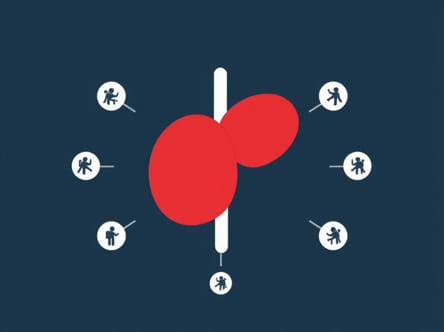
Hepatitis B is a viral infection that targets the liver, causing both acute and chronic liver diseases. It is caused by the hepatitis B virus (HBV) and can lead to serious complications such as liver cirrhosis, liver failure, and hepatocellular carcinoma if left untreated. Understanding the risk factors associated with hepatitis B is essential for prevention, early diagnosis, and effective management. Identifying these risks helps individuals take necessary precautions and make informed decisions about vaccination, lifestyle modifications, and medical monitoring.
Transmission and Pathophysiology of Hepatitis B
How Hepatitis B Spreads
Hepatitis B is primarily transmitted through exposure to infected blood, bodily fluids, or contaminated medical equipment. The virus can survive outside the body for at least seven days, which increases the risk of transmission through indirect contact. Common routes of infection include unprotected sexual contact, sharing needles, and vertical transmission from mother to child during childbirth.
Impact on the Liver
Once the hepatitis B virus enters the bloodstream, it targets liver cells (hepatocytes), causing inflammation and liver damage. The severity of liver injury depends on the viral load, host immune response, and duration of infection. Chronic infection increases the risk of long-term liver complications, emphasizing the importance of understanding risk factors and preventive strategies.
Major Risk Factors of Hepatitis B
Unprotected Sexual Activity
Engaging in unprotected sex with multiple partners increases the risk of hepatitis B transmission. The virus is present in semen, vaginal fluids, and blood, making sexual contact a significant route of infection. Consistent use of barrier protection, such as condoms, and limiting the number of sexual partners are crucial preventive measures.
Exposure to Infected Blood
Direct contact with infected blood is a major risk factor. This includes sharing needles or syringes among intravenous drug users, receiving tattoos or piercings with non-sterile equipment, or accidental needle-stick injuries in healthcare settings. Proper sterilization practices and avoidance of shared needles significantly reduce the likelihood of infection.
Vertical Transmission from Mother to Child
Hepatitis B can be transmitted from an infected mother to her baby during childbirth, known as vertical transmission. Without appropriate preventive interventions such as hepatitis B vaccination and administration of hepatitis B immunoglobulin at birth, infants born to infected mothers have a high risk of developing chronic hepatitis B.
Occupation and Healthcare Exposure
Certain occupations increase the likelihood of exposure to hepatitis B virus. Healthcare workers, laboratory technicians, and emergency responders are at higher risk due to potential contact with blood or body fluids. Adherence to universal precautions, vaccination, and regular health monitoring are critical preventive measures for individuals in these professions.
Travel to Endemic Regions
Individuals traveling to regions with high prevalence of hepatitis B, such as parts of Asia, Africa, and the Pacific Islands, face a greater risk of infection. In these areas, the virus is more widespread in the population, and exposure can occur through routine medical procedures, unsterile injections, or sexual contact. Vaccination prior to travel is highly recommended for protection.
Household Contact with Infected Individuals
Living in close quarters with someone who has chronic hepatitis B can increase the risk of infection. Sharing personal items such as razors, toothbrushes, or nail clippers may facilitate viral transmission. Household members of infected individuals are strongly advised to receive the hepatitis B vaccine and follow strict hygiene measures.
Immunocompromised Conditions
Individuals with weakened immune systems, including those undergoing chemotherapy, living with HIV, or taking immunosuppressive medications, are at higher risk of contracting hepatitis B. A compromised immune response makes it harder for the body to clear the virus, increasing the likelihood of chronic infection and severe liver damage.
Lack of Vaccination
Not receiving the hepatitis B vaccine is a significant risk factor. Vaccination is highly effective in preventing infection and is recommended for all infants, unvaccinated adults at risk, and healthcare workers. Incomplete vaccination schedules or refusal to vaccinate leave individuals vulnerable to hepatitis B exposure.
Additional Contributing Factors
Poor Sterilization Practices
Medical or cosmetic procedures performed with improperly sterilized instruments can transmit hepatitis B. This includes dental treatments, surgeries, acupuncture, and traditional practices using unclean equipment. Ensuring strict adherence to sterilization protocols is essential for minimizing transmission risk.
Co-existing Liver Conditions
Individuals with pre-existing liver conditions, such as hepatitis C or fatty liver disease, are more susceptible to severe outcomes if infected with hepatitis B. Co-infection can accelerate liver damage and complicate treatment, emphasizing the importance of preventive measures in high-risk populations.
Socioeconomic and Lifestyle Factors
Living in overcrowded or low-resource settings may increase exposure risk due to limited access to vaccination, healthcare, and hygiene resources. Additionally, high-risk behaviors such as substance abuse or unprotected sexual activity correlate with increased hepatitis B transmission rates. Public health education and access to vaccines are critical in these communities.
Prevention and Risk Mitigation
Vaccination
Vaccination remains the most effective method to prevent hepatitis B infection. The vaccine is administered in a series of doses and provides long-lasting immunity. It is recommended for infants, children, and adults who have not been previously vaccinated or who are at increased risk.
Safe Sexual Practices
Using barrier protection during sexual activity and limiting the number of partners can significantly reduce the risk of contracting hepatitis B. Regular screening and communication with sexual partners about hepatitis B status are also important preventive strategies.
Safe Handling of Needles and Blood Products
For individuals at risk due to healthcare exposure or drug use, avoiding shared needles and following proper sterilization protocols is critical. Healthcare facilities must adhere to stringent infection control practices to prevent occupational exposure.
Regular Screening and Monitoring
High-risk individuals, such as those with chronic liver conditions or immunocompromised states, should undergo regular hepatitis B screening. Early detection allows for timely treatment, reducing the likelihood of chronic liver disease and other complications.
Education and Public Awareness
Raising awareness about hepatitis B transmission, risk factors, and prevention strategies is essential for reducing infection rates. Community education programs, workplace training, and public health campaigns play a vital role in promoting protective behaviors and vaccination uptake.
Hepatitis B is a serious viral infection with potentially severe liver complications. Multiple risk factors contribute to the likelihood of infection, including unprotected sexual activity, exposure to infected blood, vertical transmission, occupation-related exposure, travel to endemic regions, lack of vaccination, and immunocompromised conditions. Understanding these risk factors allows individuals and healthcare providers to implement effective preventive measures such as vaccination, safe sexual practices, proper sterilization, and regular screening. By addressing these risk factors through education, lifestyle modifications, and medical interventions, the spread of hepatitis B can be minimized, ultimately protecting liver health and improving long-term health outcomes.