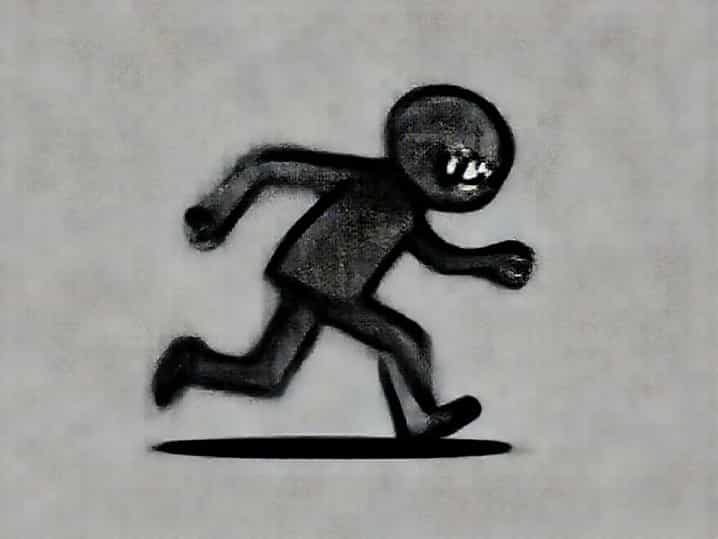
There is something inherently terrifying about the image of running zombies. Unlike the slow, shambling undead that many have grown accustomed to in classic horror, running zombies evoke an immediate sense of panic and urgency. Their speed transforms them from mere creepy figures into relentless predators capable of overwhelming anyone in their path. The very idea challenges our perceptions of safety, as no barricade or distance feels sufficient when faced with an unending horde of fast-moving, mindless creatures. This intensity is why running zombies have become a staple in modern horror films, video games, and literature, instilling fear that resonates deeply with audiences around the world.
The Evolution of Zombie Horror
Zombies have been part of horror storytelling for decades, but their characteristics have evolved significantly over time. Originally depicted as slow-moving, mindless beings, zombies were frightening primarily due to their numbers and the inevitability of infection. Films like George A. Romero’s classic Night of the Living Dead cemented the image of the slow, creeping zombie in popular culture. However, as audiences became desensitized to traditional depictions, horror creators introduced a new, more terrifying variant running zombies. By adding speed and aggression, these undead became more immediate threats, forcing characters and viewers alike to confront danger without warning or reprieve.
Why Running Zombies Are More Terrifying
The fear factor of running zombies stems from several psychological and cinematic elements
- UnpredictabilityFast-moving zombies can appear suddenly, leaving no time to prepare or react. This unpredictability heightens tension and fear.
- RelentlessnessUnlike their slow counterparts, running zombies chase their prey tirelessly, creating a constant sense of pursuit and urgency.
- Physical ThreatTheir speed makes escape difficult, intensifying the feeling of vulnerability among survivors.
- Mass PanicA group of running zombies moving at high speed can overwhelm even large numbers of people, emphasizing the hopelessness of survival.
Cinematic Examples of Running Zombies
Modern cinema has embraced running zombies as a tool to create suspense and shock. Films like 28 Days Later and World War Z showcase the terrifying nature of fast undead hordes. In 28 Days Later, the infected are not technically zombies but share many characteristics with traditional undead, particularly their relentless aggression and speed. The film’s depiction of speed and sudden attacks redefined zombie horror for a new generation, making running zombies a benchmark for fear in the genre. Similarly, World War Z portrays massive, coordinated hordes of fast-moving zombies, emphasizing chaos and the overwhelming scale of the threat.
Impact on Audience Fear
Running zombies trigger a unique kind of fear that combines elements of survival instinct with the horror of the unknown. Audiences experience vicarious panic as characters attempt to flee, hide, or fight off these relentless creatures. This immediacy of threat makes every chase scene intense, keeping viewers on the edge of their seats. Moreover, the unpredictability of running zombies plays into deep-seated fears about being unable to outrun danger, creating psychological tension that lingers long after the scene ends.
Running Zombies in Video Games
Video games have also capitalized on the terror of running zombies. Games like Resident Evil 3 Nemesis and Dying Light place players in situations where speed and strategy are crucial for survival. Unlike passive horror experiences, video games allow players to directly interact with the threat, heightening the sense of danger. Running zombies in gaming often serve as sudden ambushes, forcing players to think quickly and react under pressure. This interactive fear reinforces the terror associated with fast-moving undead, as players experience the panic and urgency firsthand.
Psychological Effects on Players
Engaging with running zombies in games triggers physiological and psychological responses similar to real-life stress reactions. Players often experience elevated heart rates, heightened alertness, and increased adrenaline. This immersive fear is why running zombies are a compelling mechanic in survival horror games. They test the player’s reflexes, decision-making skills, and ability to manage limited resources under pressure, creating a deeply engaging and terrifying experience.
Running Zombies in Literature
While cinema and games provide visual and interactive fear, literature allows for the exploration of running zombies through imagination and narrative tension. Authors often emphasize the psychological impact of the undead chase, detailing the relentless pursuit and the characters’ struggle to survive. Books like The Zombie Survival Guide and Max Brooks’ World War Z illustrate the tactical, social, and emotional consequences of facing fast-moving zombies. In literature, running zombies serve as metaphors for uncontrollable disasters, societal collapse, and the loss of security, offering both horror and reflection.
Metaphorical Implications
Running zombies can symbolize more than just physical threats. They often represent uncontrollable forces in life, such as disease, chaos, or societal breakdown. Their speed and relentlessness highlight the inevitability of facing challenges and the importance of adaptability and resilience. In this sense, the terror they provoke extends beyond survival instincts to deeper reflections on human vulnerability and societal fragility.
Strategies for Surviving Running Zombies
In both fiction and theoretical scenarios, survival against running zombies requires quick thinking and practical strategies. Common survival tactics include
- Maintain DistanceStaying ahead of the zombie horde is crucial, as direct confrontation is often deadly.
- Use ObstaclesUrban and natural environments can provide barriers to slow down pursuers.
- Resource ManagementEnsuring adequate food, water, and medical supplies is vital during extended periods of escape.
- Team CoordinationWorking with others increases chances of survival, as group strategies can counter the relentless pursuit of running zombies.
Running zombies have transformed the landscape of horror, making it more intense, immediate, and psychologically engaging. Their speed, unpredictability, and relentlessness challenge both characters and audiences to confront fear in its rawest form. Across films, video games, and literature, running zombies serve as powerful tools for storytelling, eliciting suspense, panic, and reflection. They are not just monsters but embodiments of relentless forces that test human endurance, strategy, and resilience. Whether as a cinematic spectacle, a gaming challenge, or a literary metaphor, the terror of running zombies continues to captivate and haunt, reminding us of the primal fear of being relentlessly pursued by something unstoppable.
The cultural impact of running zombies extends far beyond simple horror. They serve as metaphors for uncontrollable events and forces in our lives, from pandemics to societal upheavals, tapping into universal fears that resonate across generations. Their terrifying presence forces audiences to confront vulnerability, test survival instincts, and explore the boundaries of courage and adaptability, ensuring that running zombies will remain a cornerstone of fear and fascination in popular culture for years to come.