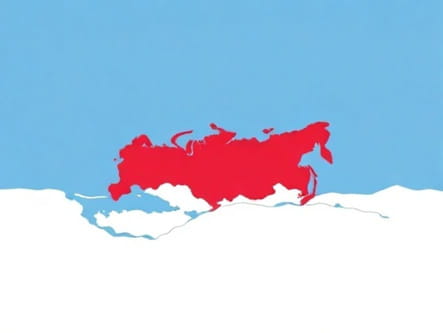
In recent years, the Arctic has become one of the most strategically significant regions in the world, attracting increasing attention from major powers due to its untapped natural resources and emerging shipping routes. Russia, which holds the longest Arctic coastline of any country, has aggressively expanded its military presence in the region. The militarization of the Arctic by Russia is driven by a combination of economic interests, national security concerns, and geopolitical strategy. This development has sparked international debate and raised concerns about the future of peace and cooperation in the Arctic.
Geopolitical Importance of the Arctic
The Arctic region is gaining strategic relevance as climate change causes ice to melt, opening up new possibilities for shipping, energy exploration, and military mobility. Russia views the Arctic as a natural extension of its sphere of influence. By investing in infrastructure and defense systems in the north, it aims to secure control over valuable resources and new maritime corridors like the Northern Sea Route.
Russia’s Arctic Border Advantage
Russia’s Arctic frontier stretches over 24,000 kilometers, giving it significant access to the Arctic Ocean. This geographic advantage allows Russia to establish control over large swaths of the continental shelf, where vast quantities of oil, gas, and minerals are believed to be located.
- Access to over 90 billion barrels of untapped oil reserves
- Control of natural gas fields in the Yamal Peninsula and beyond
- Shorter shipping routes between Europe and Asia
These factors make the Arctic central to Russia’s long-term economic and military strategy.
Military Expansion in the Arctic
Russia has constructed or reactivated numerous military bases, airfields, and radar installations throughout the Arctic in recent years. These facilities serve both defensive and offensive purposes, allowing Russia to monitor movements, project power, and deter rivals from approaching its Arctic territories.
Reviving Soviet-Era Bases
Many of Russia’s Arctic military installations date back to the Cold War. In the 1990s, they were largely abandoned due to financial constraints, but in the 2010s, Moscow began restoring them. Key bases include
- Franz Josef Land – hosting air defense and radar systems
- Novaya Zemlya – equipped with missile systems and airfields
- Wrangel Island and Kotelny Island – strategic outposts with permanent military presence
These sites are now equipped with advanced technology and year-round staff, enabling 24/7 surveillance and rapid deployment capabilities.
Modern Arctic Forces
Russia has formed specialized Arctic brigades trained for combat in extreme cold and difficult terrain. These units conduct regular military exercises involving infantry, air force, and naval components. Their readiness is enhanced by icebreakers and nuclear-powered submarines that provide mobility and deterrence.
Strategic Weapons and Infrastructure
Beyond troops and outposts, Russia has deployed sophisticated weaponry in the Arctic region, including surface-to-air missiles, coastal defense systems, and radar networks. These assets not only secure Russian territory but also signal its dominance to other nations operating in the Arctic Circle.
Missile Systems in the North
- Short- and medium-range missile batteries stationed near Arctic sea lanes
- S-400 and S-300 air defense systems installed on remote Arctic bases
- New hypersonic missile tests conducted in northern regions
These systems provide a protective shield over Russia’s Arctic assets and limit the access of foreign military or commercial ships without Moscow’s consent.
Icebreaker Fleet and Naval Power
Russia possesses the world’s largest fleet of icebreakers, including nuclear-powered vessels capable of operating in harsh Arctic conditions. These ships ensure year-round access to frozen waterways and support both commercial shipping and naval missions.
The development of new Arctic-class submarines and modernization of the Northern Fleet further demonstrate Russia’s intent to control Arctic waters. These submarines are capable of launching ballistic missiles, contributing to the country’s nuclear deterrent strategy.
Economic Drivers Behind Militarization
Economic interests play a major role in Russia’s Arctic ambitions. The region is rich in natural resources that could support the national economy for decades. By increasing its military footprint, Russia seeks to protect its infrastructure and investments, such as gas pipelines and export terminals.
Energy Projects in the Arctic
- Yamal LNG – one of the largest liquefied natural gas projects in the Arctic
- Arctic LNG 2 – expanding Russia’s energy export capabilities
- Norilsk Nickel – exploiting vast mineral deposits
Militarization ensures the security of these projects against threats ranging from terrorism to foreign interference. It also reinforces Russia’s claim over exclusive economic zones in contested waters.
International Reactions and Tensions
Russia’s militarization of the Arctic has not gone unnoticed. NATO and Arctic Council members, including the United States, Canada, and Norway, have expressed concern about growing military activity in the region. Increased patrols, exercises, and surveillance missions have followed in response to Russia’s assertiveness.
Growing Militarization by Other Powers
While Russia leads in Arctic military infrastructure, other countries are also building capabilities
- Canada is modernizing its Arctic defense and surveillance systems
- The U.S. is expanding its presence in Alaska and Greenland
- Norway has boosted air patrols and naval readiness in the Barents Sea
This growing focus on the Arctic may turn the region into a new arena of military competition, where misunderstandings or accidents could escalate into broader conflicts.
Legal and Diplomatic Considerations
Russia’s Arctic activity raises questions about international law and the role of cooperative institutions. The United Nations Convention on the Law of the Sea (UNCLOS) provides a legal framework for Arctic claims, but overlapping interests among Arctic nations complicate enforcement and resolution.
Role of the Arctic Council
The Arctic Council has traditionally focused on environmental protection and indigenous rights. It includes eight Arctic nations, but military issues are officially excluded from its agenda. Russia’s actions have pushed the limits of what the Council can manage, and there are growing calls to expand its scope or create new security-focused forums.
Future Outlook
The militarization of the Arctic by Russia shows no signs of slowing. As climate change reshapes the landscape, access to natural resources and strategic sea routes will only grow in importance. Russia’s Arctic strategy appears to be long-term, blending economic development, military dominance, and legal positioning.
Possible Scenarios
- Continued competition between Russia and Western powers for Arctic dominance
- Increased cooperation through diplomatic channels to avoid conflict
- Environmental disasters or accidents prompting unified Arctic security measures
The balance between competition and cooperation in the Arctic will shape the region’s future, with Russia playing a central role in whatever direction it takes.
Russia’s militarization of the Arctic reflects a strategic effort to secure national interests in a rapidly changing environment. From reviving old bases to deploying new weapons and strengthening its icebreaker fleet, Russia is positioning itself as the dominant Arctic power. While these actions serve Moscow’s goals of economic growth and territorial security, they also challenge international norms and spark concerns among other Arctic stakeholders. The future of the Arctic depends on whether competing interests can be managed peacefully or whether militarization will lead to confrontation in one of the world’s most fragile and vital regions.