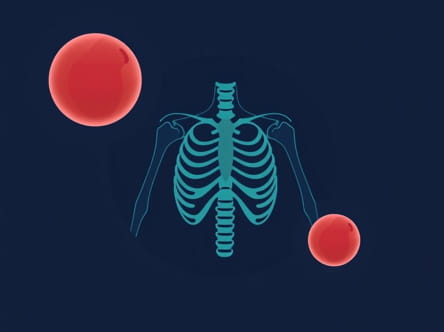
Sarcomas are a rare and diverse group of malignant tumors that arise from connective tissues such as bone, cartilage, fat, muscle, and vascular structures. Unlike many carcinomas, which often spread through the lymphatic system, sarcomas primarily metastasize through the bloodstream. This hematogenous route of spread significantly influences the clinical presentation, prognosis, and management of these tumors. Understanding the mechanisms, pathways, and implications of blood-borne metastasis is essential for healthcare professionals, patients, and researchers working to optimize treatment strategies and improve survival outcomes.
Understanding Sarcomas
Sarcomas originate from mesenchymal cells and can affect a wide range of tissues throughout the body. They are generally classified based on the tissue of origin, such as osteosarcoma (bone), liposarcoma (fat), leiomyosarcoma (smooth muscle), and angiosarcoma (blood vessels). While these tumors can occur at any age, certain subtypes are more common in children, adolescents, or adults. The diverse histological types of sarcomas influence both their biological behavior and their preferred routes of metastasis, with hematogenous spread being the most common.
Mechanisms of Hematogenous Metastasis
Blood-borne metastasis occurs when sarcoma cells invade local blood vessels and circulate through the vascular system to distant organs. This process involves multiple steps, including
Local Invasion
Sarcoma cells first infiltrate surrounding tissues and breach the basement membrane. Proteolytic enzymes secreted by the tumor cells degrade extracellular matrix components, facilitating entry into nearby blood vessels. Tumor angiogenesis, the formation of new blood vessels, often provides additional pathways for sarcoma cells to access the bloodstream.
Intravasation and Circulation
Once inside the blood vessels, sarcoma cells must survive in the hostile environment of circulating blood. They resist shear forces, immune surveillance, and apoptosis by forming clusters with platelets, which shield them from immune detection. These circulating tumor cells can travel to distant sites, often following patterns influenced by the vascular architecture and organ-specific microenvironments.
Extravasation and Colonization
At distant organs, sarcoma cells exit the bloodstream through a process called extravasation. This involves adherence to endothelial cells, penetration of the vessel wall, and migration into the surrounding tissue. Successful colonization depends on interactions between tumor cells and the local microenvironment, including stromal cells, extracellular matrix, and growth factors. The lungs, liver, and bones are common metastatic sites for sarcomas due to their rich blood supply and favorable conditions for tumor growth.
Clinical Implications of Hematogenous Spread
The preference for blood-borne metastasis in sarcomas has several important clinical implications
Lung Metastasis
The lungs are the most frequent site of sarcoma metastasis, especially for extremity soft tissue sarcomas. Pulmonary nodules detected on imaging often indicate metastatic disease and influence treatment decisions. Regular surveillance with chest imaging is critical for early detection and management.
Prognosis
The presence of hematogenous metastasis significantly affects prognosis. Patients with lung or liver involvement typically have a poorer overall survival rate compared to those without distant spread. Early detection and aggressive management are essential to improve outcomes.
Therapeutic Considerations
- Surgical resection of both the primary tumor and isolated metastases may be considered in select cases to improve survival.
- Systemic chemotherapy or targeted therapies may be necessary for widespread metastasis.
- Radiation therapy can be used for local control or palliation of metastatic lesions.
Factors Influencing Hematogenous Metastasis
Several factors determine the likelihood and pattern of blood-borne spread in sarcomas
Tumor Grade and Size
High-grade sarcomas with aggressive cellular characteristics are more likely to invade blood vessels and metastasize. Larger tumors also have a higher probability of hematogenous dissemination due to increased vascularity and tumor burden.
Histological Subtype
Different sarcoma subtypes exhibit varying tendencies for metastasis. For example, angiosarcomas and osteosarcomas frequently metastasize to the lungs, while gastrointestinal stromal tumors may spread to the liver.
Vascular Invasion
The extent of tumor invasion into local vessels is a critical predictor of hematogenous metastasis. Pathological evaluation of resected specimens often includes assessment of vascular involvement to guide prognosis and further treatment.
Detection and Diagnosis
Early recognition of hematogenous metastasis is vital for effective management. Imaging modalities play a central role
Computed Tomography (CT)
CT scans of the chest, abdomen, and pelvis are commonly used to detect lung and liver metastases. High-resolution imaging allows identification of small metastatic nodules and guides surgical planning.
Magnetic Resonance Imaging (MRI)
MRI provides detailed visualization of soft tissue and bone involvement, helping assess primary tumor extent and local vascular invasion.
Positron Emission Tomography (PET)
PET scans can detect metabolically active metastatic lesions, offering a whole-body assessment of sarcoma spread. PET/CT combines functional and anatomical imaging for enhanced accuracy.
Management Strategies
Because sarcomas primarily metastasize through the blood, management strategies focus on controlling both the primary tumor and systemic disease
Surgery
Complete surgical excision of the primary tumor with clear margins is the cornerstone of treatment. In select patients, metastasectomy, particularly for lung metastases, can improve survival.
Chemotherapy and Targeted Therapy
- Systemic chemotherapy is used for high-grade or metastatic sarcomas.
- Targeted therapies, such as tyrosine kinase inhibitors, may be effective for certain subtypes like gastrointestinal stromal tumors.
Radiation Therapy
Radiation is primarily used for local control, either preoperatively or postoperatively, and can also alleviate symptoms caused by metastatic lesions.
Sarcomas are aggressive tumors that differ from many carcinomas in their preferred route of metastasis. Hematogenous spread is the primary pathway, leading to lung, liver, and bone metastases. Understanding the mechanisms and implications of blood-borne dissemination is essential for early detection, accurate staging, and appropriate management. Imaging modalities such as CT, MRI, and PET play crucial roles in identifying metastases and guiding treatment. Early intervention, comprehensive surgical management, and systemic therapy can improve survival outcomes, while ongoing research continues to explore novel approaches for controlling hematogenous sarcoma metastasis. Awareness of these unique characteristics enables healthcare providers to develop targeted treatment strategies and offers patients a clearer understanding of their disease and prognosis.