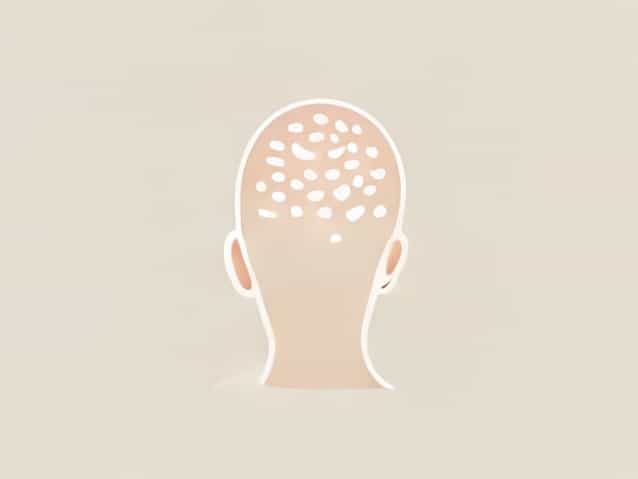
Scalp eczema, also known as seborrheic dermatitis, is a common condition that can cause redness, itching, flaking, and discomfort on the scalp. For many people, it can be persistent, making daily hair care challenging and sometimes affecting confidence. While medical treatments are available, there are also several effective ways to manage scalp eczema at home. By understanding the triggers, practicing proper scalp hygiene, and using targeted home remedies, individuals can reduce irritation and promote healthier scalp skin. This topic explores practical, safe, and easy-to-follow home treatments for scalp eczema, helping sufferers find relief without necessarily relying on prescription medications immediately.
Understanding Scalp Eczema
Scalp eczema is a chronic inflammatory condition that can range from mild to severe. It is often caused by a combination of factors, including overactive sebaceous glands, fungal overgrowth, and individual skin sensitivity. The condition may present with symptoms such as dry or oily flakes, redness, itching, and sometimes soreness. Identifying the triggers of scalp eczema is the first step toward effective management at home.
Common Triggers
- Stress and anxiety, which can worsen inflammation.
- Harsh shampoos or hair care products containing sulfates or alcohol.
- Weather extremes, such as cold, dry air or hot, humid conditions.
- Excessive oil production on the scalp, which can feed certain yeasts.
- Underlying skin conditions like psoriasis or dermatitis in other areas.
Daily Scalp Care
Proper scalp hygiene plays a crucial role in managing eczema at home. Gentle, consistent care can help reduce itching and prevent flare-ups. Using the right shampoo, washing frequency, and gentle handling of the scalp are essential steps in daily management.
Choosing the Right Shampoo
- Opt for mild, fragrance-free shampoos to avoid irritation.
- Shampoos containing zinc pyrithione, selenium sulfide, or ketoconazole can help control fungal growth and reduce flaking.
- Rotate between medicated and gentle shampoos as needed to prevent over-drying.
Washing Techniques
When washing your hair, use lukewarm water instead of hot water to prevent further dryness. Massage the scalp gently with fingertips rather than scratching, and ensure all shampoo is rinsed thoroughly. Limiting the use of hair styling products like gels and hairsprays can also reduce scalp irritation.
Home Remedies for Scalp Eczema
Several home remedies can alleviate symptoms of scalp eczema. These treatments aim to soothe itching, reduce inflammation, and promote healing while being safe and easy to use at home.
Moisturizing Treatments
- Apply natural oils such as coconut oil or olive oil to the scalp to hydrate dry patches and reduce flaking.
- Leave the oil on for 20-30 minutes before washing with a gentle shampoo.
- Aloe vera gel can be applied to soothe redness and itching and may help in reducing inflammation.
Anti-Inflammatory and Antifungal Options
- Apple cider vinegar diluted with water can help balance scalp pH and reduce fungal overgrowth; apply for 5-10 minutes before rinsing.
- Tea tree oil, when diluted with a carrier oil, has natural antifungal properties and can relieve itching.
- Oatmeal paste or an oatmeal-based mask can calm inflamed skin and reduce irritation.
Lifestyle and Diet Considerations
Scalp eczema is influenced not only by external factors but also by internal health. Managing stress, improving diet, and ensuring adequate sleep can help control flare-ups and promote overall skin health.
Stress Management
- Practices such as meditation, yoga, or deep breathing exercises can reduce stress-related flare-ups.
- Regular physical activity improves circulation and overall skin health, which may benefit scalp condition.
Dietary Adjustments
While diet alone does not cure scalp eczema, certain nutrients can support skin health. Omega-3 fatty acids found in fish, nuts, and seeds may reduce inflammation. Limiting sugar, processed foods, and dairy in some cases may help decrease flare-ups. Staying hydrated is also essential for maintaining healthy skin and scalp.
Additional Tips for Managing Scalp Eczema at Home
Consistency and care in daily routines can significantly reduce discomfort and visible symptoms. Here are some additional strategies
- Avoid scratching or picking at the scalp, as this can worsen inflammation and cause infection.
- Use a soft brush or comb to gently remove loose flakes without irritating the skin.
- Wear breathable hats and avoid prolonged exposure to sweat or moisture, which can aggravate symptoms.
- Keep hair tools clean and avoid sharing combs or brushes to reduce bacterial or fungal spread.
When to Seek Medical Advice
Home treatments can be very effective for mild to moderate scalp eczema, but persistent or severe cases may require medical attention. Signs that indicate professional consultation include
- Severe itching or pain that disrupts daily life.
- Persistent redness, swelling, or signs of infection such as pus or bleeding.
- Flakes or lesions that do not improve with over-the-counter treatments or home remedies.
- Scalp eczema spreading to other areas or recurring frequently despite consistent care.
Scalp eczema can be uncomfortable and persistent, but effective management at home is possible with proper care, lifestyle adjustments, and natural remedies. Daily scalp hygiene, using the right shampoos, and incorporating moisturizers or antifungal treatments can reduce itching, flaking, and inflammation. Combined with stress management, dietary improvements, and safe home remedies like coconut oil or diluted tea tree oil, individuals can find relief and maintain a healthier scalp. While home treatment is suitable for many, it is essential to monitor the condition and seek medical advice if symptoms worsen or do not improve. By taking a proactive and consistent approach, scalp eczema can be managed effectively, improving both comfort and confidence in everyday life.