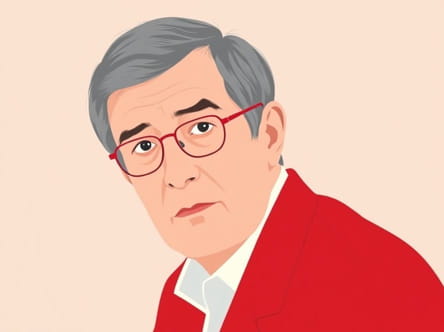
David Hockney, one of the most celebrated British artists of the 20th and 21st centuries, has never shied away from placing himself at the center of his art. His self-portraits span decades and provide a fascinating lens through which to observe his evolving artistic style, psychological depth, and personal identity. Whether painted, drawn, or photographed, Hockney’s self-portraits are far more than simple images of his face; they are visual diaries that reflect not only his changing appearance but also shifts in emotion, perspective, and medium. These self-portraits play a vital role in understanding the development of contemporary British art and offer rich insights for critics, collectors, and admirers alike.
David Hockney: A Brief Artistic Background
Roots of a Visual Storyteller
Born in Bradford, England, in 1937, David Hockney rose to fame during the 1960s pop art movement. Known for his vibrant palette, bold compositions, and varied media, he explored subjects ranging from swimming pools in California to landscapes in Yorkshire. Yet, a constant throughout his career has been his commitment to self-representation. Hockney’s self-portraits are not just physical representations they are explorations of aging, identity, and the human condition.
Shifting Techniques and Mediums
Over the years, Hockney has used pencil, watercolor, oil, photography, iPad drawing apps, and Polaroids to capture his own image. This adaptability reflects his interest in technology and innovation while also keeping his self-portraiture fresh and evolving. The diversity of his approach to self-portraits makes them an important segment of both his personal archive and the broader canon of modern art.
The Self-Portrait as Introspection
Psychological Layers in Self-Depiction
Hockney’s self-portraits often portray more than just surface appearance. They suggest emotional states quiet melancholy, playful confidence, or reflective seriousness. His series of self-portraits created during periods of personal loss or transition, such as after the death of close friends or during changes in his living circumstances, reveal a vulnerability rarely seen in public images of artists.
Rather than creating idealized versions of himself, Hockney embraces imperfections. Wrinkles, tired eyes, or slouched postures are presented with honesty. This approach makes his self-portraits feel authentic, grounded, and intensely human.
Iconic Self-Portrait Works
Self Portrait with Blue Guitar (1977)
One of Hockney’s well-known early self-portraits, this painting juxtaposes the artist with a blue guitar an object both symbolic and personal. The painting echoes the influence of Picasso, who also created many self-portraits and used recurring symbols. Here, Hockney’s image is confident yet contemplative, a visual pun on his dual role as artist and performer.
iPad and Digital Self-Portraits
In the 2010s, Hockney embraced digital technology and began creating self-portraits using iPads. These digital drawings allowed him to experiment with light, color, and texture in new ways. Quick and intimate, these works often depict Hockney in his dressing gown, seated in familiar surroundings, highlighting his comfort with introspection and solitude.
The immediacy of digital media also enabled Hockney to document aging in real-time. These images are often raw and unfiltered, showing an aging face and frail hands, a powerful testament to time’s impact on the body and spirit.
Thematic Continuities Across Decades
Aging and Time
One of the most striking elements across Hockney’s self-portraits is the portrayal of aging. From youthful, wide-eyed depictions in the 1960s to the seasoned, weathered images of his later years, Hockney doesn’t avoid the passage of time. He meets it head-on, using his own face as a canvas for exploring themes of mortality, resilience, and legacy.
Clothing, Setting, and Identity
Hockney’s wardrobe and environments also serve as subtle symbols of identity in his self-portraits. Whether wearing brightly patterned jackets, bathrobes, or simple button-down shirts, his clothing choices reflect his personality and mood. Likewise, the background his studio, a favorite chair, a California landscape adds layers of meaning and context.
Solitude and Presence
Despite being highly public as a figure, Hockney’s self-portraits often convey solitude. This is not necessarily loneliness, but rather an introspective silence. His quiet gaze and unembellished surroundings suggest a strong awareness of self, a conversation between artist and viewer that requires no external noise.
Technical Mastery and Artistic Innovation
Line, Color, and Composition
Hockney’s use of color and line in self-portraits is deliberate and often emotionally charged. Vibrant hues may reflect joy or intensity, while softer tones suggest contemplation. His lines whether bold or delicate convey form and emotion with equal effectiveness.
Compositionally, Hockney often places himself front and center, but not always. Sometimes he appears off to the side, glancing in a mirror, or interacting with an object. These choices create variety and intrigue within a format that could otherwise become repetitive.
Embracing Digital Tools
Hockney’s willingness to embrace iPads and other digital platforms shows his continued relevance and forward-thinking mindset. While some critics initially dismissed digital art, Hockney demonstrated that the medium can produce profound, original work. His digital self-portraits are now considered essential pieces within his broader oeuvre.
Why Hockney’s Self-Portraits Matter
Artistic Legacy
David Hockney’s self-portraits contribute significantly to his artistic legacy. They act as visual chapters of his life, showcasing not only his technical evolution but also his emotional journey. Collectively, they form a rich autobiographical series that resonates with both art enthusiasts and scholars.
Cultural and Historical Impact
As a gay artist working through decades of social change, Hockney’s self-portraits also reflect broader cultural narratives. His openness, self-expression, and refusal to conform to mainstream ideals of beauty or masculinity have inspired generations of artists. In this way, his work transcends the personal and becomes political and cultural.
Accessibility and Universality
Despite their deeply personal nature, Hockney’s self-portraits feel accessible. Viewers see not just the artist but also glimpses of their own experiences of aging, solitude, reflection, and identity. This universality is part of what makes his work so enduring and widely appreciated.
David Hockney’s self-portraits are much more than images of an artist at different stages of life. They are artistic investigations into self-perception, emotion, and time. Spanning traditional and digital media, these works reflect his constant curiosity and evolving technique. For anyone interested in the intersection of art, identity, and innovation, Hockney’s self-portraits offer a compelling visual narrative that continues to grow richer with each passing year.