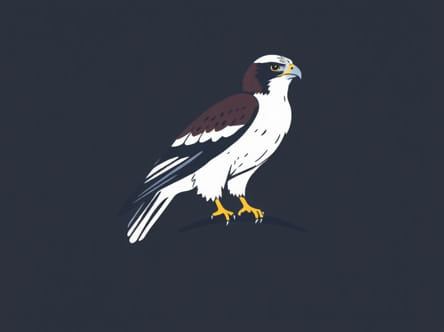
The sharp-shinned hawk is a small but fierce bird of prey found throughout North America. Known for its agility and precision when hunting small birds, this raptor has many fascinating features. One of the most visually distinctive parts of its body is the underbelly. The sharp-shinned hawk’s underbelly is not only critical for identification but also plays an important role in its camouflage, flight, and hunting behavior. Understanding the patterns, coloration, and purpose of the sharp-shinned hawk underbelly helps both bird watchers and biologists appreciate this predator’s natural design.
Physical Appearance of the Underbelly
The underbelly of the sharp-shinned hawk varies slightly depending on the bird’s age and sex, but there are general characteristics that can be observed across individuals. The adult sharp-shinned hawk has a pale white or light gray base underbelly, overlaid with fine, horizontal reddish or rufous barring. These bars are fairly even and extend from the breast down to the lower belly and flanks.
Juvenile vs. Adult Plumage
- Juveniles: The underbelly is typically white or buff-colored with vertical brown streaks running down the chest and belly. This provides a more mottled appearance that blends well into forest environments.
- Adults: The horizontal rufous barring is more defined, giving the underbelly a neat and symmetrical appearance.
The plumage pattern helps identify the bird’s age, which is useful for researchers and birders alike.
Function of the Underbelly Coloration
Coloration in birds often serves more than just aesthetic purposes. The underbelly of the sharp-shinned hawk plays several functional roles, including camouflage, identification, and thermoregulation.
Camouflage and Stealth
One of the primary functions of the underbelly coloration is to help the hawk remain undetected by prey. Many of the small songbirds it hunts look upward when watching for danger. The lighter underside of the hawk helps it blend into the bright sky, making it harder to spot from below. This counter-shading effect is common in many birds of prey and is especially important for a hawk that hunts by surprise.
Species and Gender Identification
Sharp-shinned hawks are often confused with Cooper’s hawks, which have similar features. However, the underbelly pattern can help in distinguishing between the two. The finer and more consistent horizontal barring on the sharp-shinned hawk differs from the broader, coarser barring of the Cooper’s hawk. Observers often use this subtle visual cue to confirm sightings.
Thermal Regulation
The feather pattern and density on the underbelly also serve to maintain the bird’s body temperature. The feathers trap warm air close to the body in cold environments and allow heat dissipation during warm days. The soft texture of the underbelly feathers enhances insulation without adding excess weight.
Behavioral Role of the Underbelly
In addition to physical characteristics, the sharp-shinned hawk’s underbelly can be observed during various behaviors, especially when the bird is in flight or feeding. These moments allow birdwatchers a glimpse of the often-hidden lower body of this elusive raptor.
Soaring and Perching
When soaring or gliding through the air, the underbelly becomes highly visible to observers on the ground. The light coloration against the sky can give the impression of a ghostly flash, making it easier to spot in flight. When perched, the bird may fluff its belly feathers to cover its legs or keep warm, subtly changing its silhouette and posture.
During Feeding
When a sharp-shinned hawk feeds on its prey, the underbelly may become stained with blood or feathers. This temporary discoloration is often washed away by preening. Nonetheless, it serves as a visual marker of a recent kill for researchers studying feeding habits in the wild.
Geographic Variation
The sharp-shinned hawk has a wide distribution, ranging from Canada to Central America. This large range can lead to subtle differences in plumage, including the underbelly, depending on the region and climate.
Color Variations by Region
- Northern Populations: Tend to have denser, more defined underbelly barring due to colder climates requiring thicker plumage.
- Southern Populations: May display lighter or more faded barring patterns with fewer feathers to accommodate warmer temperatures.
These regional differences, while slight, are useful in tracking migration and breeding populations across North America.
Molting and Feather Maintenance
Like all birds, the sharp-shinned hawk undergoes molting a natural process of shedding old feathers and replacing them with new ones. The underbelly is part of this cycle, and during molting, the bird’s appearance may seem patchy or uneven.
Importance of Healthy Underbelly Feathers
Healthy underbelly feathers are crucial for:
- Maintaining aerodynamic efficiency during flight
- Protecting the skin from injuries and infections
- Helping retain body heat during cold weather
Birds with damaged or missing underbelly feathers may suffer from reduced insulation or become more visible to prey and predators alike.
Photographing the Underbelly
For wildlife photographers and birders, capturing a clear image of the sharp-shinned hawk’s underbelly can be challenging. The bird’s quick movements, high perches, and hidden nests make it difficult to approach.
Tips for Observation
- Use binoculars or a telephoto lens to observe from a distance
- Look during early morning or late afternoon when birds are active
- Scan forest edges or open clearings where hawks may glide
Photographs showing the underbelly can be valuable for field guides, identification apps, and scientific records.
The underbelly of the sharp-shinned hawk is more than just a patch of feathers it is a key feature for identification, survival, and adaptation. From its finely barred patterns to its role in stealth and warmth, the underbelly supports this bird’s predatory lifestyle in many ways. By taking time to observe and understand this detail, bird enthusiasts and researchers gain deeper insight into the sharp-shinned hawk’s behavior and biology. In every feathered layer, nature reveals another piece of its fascinating design.