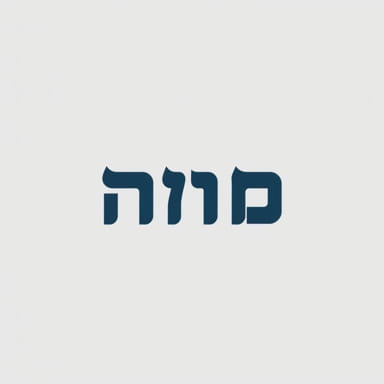
Shevat is one of the twelve months in the Hebrew calendar, falling in the winter season. It typically occurs around January or February in the Gregorian calendar. The name Shevat has deep roots in Jewish tradition and spiritual symbolism. One of the fascinating aspects of this month is how it is written and understood in the Hebrew language. Understanding the Hebrew letters that spell Shevat opens up a richer understanding of Jewish culture, biblical significance, and linguistic beauty. In this topic, we will explore how Shevat is written in Hebrew letters, what those letters represent, and why they hold meaning.
How Shevat Is Written in Hebrew
The word Shevat is written in Hebrew asשְ××Ö¸×. It is read from right to left, as is standard with Hebrew script. This word contains three Hebrew letters:
- Shin (ש)
- Bet (×)
- Tet (×)
Each of these letters carries its own phonetic sound, numerical value, and symbolic meaning. The inclusion of vowel markings (called niqqud) such assh’va(Ö°) andkamatz(Ö¸) helps determine pronunciation, but these are often omitted in everyday modern Hebrew writing.
Letter-by-Letter Breakdown
Shin (ש)
The first letter in Shevat isShin. This letter makes a sh sound and is one of the more spiritually significant letters in Hebrew. It is often associated with the name of God (El Shaddai) and is even engraved on mezuzot (doorpost scrolls). The Shin has a numerical value of 300 in Hebrew gematria.
Symbolically, Shin represents divine power, transformation, and the fire of the soul. In the context of the month of Shevat, this may signify spiritual awakening and readiness for renewal, which aligns with the theme of growth seen in Tu BiShvat, the New Year of Trees, celebrated in Shevat.
Bet (×)
The second letter isBet, which makes a b sound. It has a numerical value of 2. Bet is the first letter of the Torah (in the word Bereishit, meaning In the beginning). It symbolizes creation, blessing, and duality heaven and earth, male and female, light and darkness.
In Shevat, Bet might represent the fertile beginning of new life, especially considering that Tu BiShvat is a holiday connected to agriculture, trees, and blessings for future fruit-bearing seasons. It hints at a balance between the physical and spiritual worlds during this time.
Tet (×)
The final letter of Shevat isTet, which makes a t sound. Tet has a numerical value of 9 and is often interpreted as a symbol of goodness, as seen in the Hebrew word tov (good), which also begins with Tet. It has a rounded shape, symbolizing the womb and potential.
In the context of Shevat, Tet represents the hidden goodness that may not yet be visible but will eventually emerge. This idea mirrors the way trees begin their renewal process underground before we see any visible signs in spring.
The Meaning Behind the Name Shevat
While the letters themselves carry deep meaning, the word Shevat also has roots in Akkadian and possibly Aramaic languages. In ancient times, Shevat was associated with heavy rains in the Middle East. The rains were necessary for the growth of crops and trees, which is why Shevat became linked with agricultural blessings.
In Jewish tradition, the 15th day of Shevat is known asTu BiShvat, a minor holiday celebrating the new year for trees. This occasion marks the point when the sap begins to rise in fruit trees in the Land of Israel. The holiday is observed by eating fruits, planting trees, and reflecting on nature and spiritual growth. All of this ties back to the symbolism behind the Hebrew letters of Shevat, especially Bet (blessing) and Tet (hidden goodness).
Examples of the Word Shevat in Use
Understanding the Hebrew spelling of Shevat can help in recognizing the word in Jewish texts, calendars, and prayers. Here are a few example sentences that include the word Shevat or its Hebrew representation:
- Tu BiShvat falls on the 15th of Shevat in the Hebrew calendar.
- Shevat (ש××) is the eleventh month of the Hebrew year.
- The rains of Shevat nourish the earth, preparing it for the harvest.
- In Shevat, we celebrate the rebirth of nature and the spiritual meaning of trees.
Pronunciation and Spelling Variations
In English transliteration, Shevat is sometimes spelled as ‘Shvat’ due to the soft vowel sounds in Hebrew. The correct pronunciation is approximately Shuh-vaht, with the accent on the second syllable. In Hebrew, spelling can slightly vary depending on traditional or modern styles, but the standard form remainsש××without vowel markings.
Why Hebrew Letters Matter
Hebrew letters are not just symbols of sound; they are considered vessels of divine meaning. Each letter has a spiritual function and deeper layers of interpretation in Kabbalistic and rabbinic literature. When examining a Hebrew word like Shevat, one uncovers a wealth of insight that connects language, faith, and tradition.
For those studying Hebrew or engaging in Jewish religious practice, recognizing and understanding the letters of Shevat helps to ground observances like Tu BiShvat in their original scriptural and cultural context. It also encourages learners to see Hebrew as a sacred, living language that carries profound meaning even in everyday terms like months of the year.
Enriching Understanding Through Hebrew Letters
Shevat, spelled שְ××Ö¸× in Hebrew, is more than just a name on the calendar. It’s a word full of life, meaning, and cultural heritage. The letters Shin, Bet, and Tet combine to create not only a word but a symbol of spiritual transformation, divine blessing, and hidden potential. Whether you are celebrating Tu BiShvat or simply exploring Hebrew language and culture, knowing how Shevat is written in Hebrew letters adds depth to your understanding. By appreciating the language that has carried Jewish wisdom for millennia, one can feel more connected to the rhythms of the Hebrew year and the values it reflects.