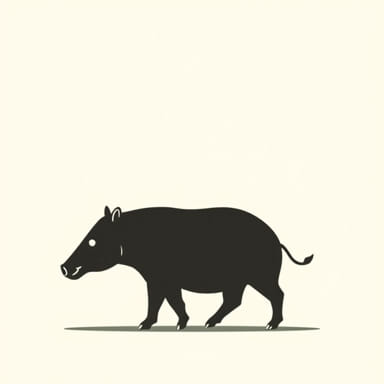
The South American tapir is a fascinating and unique mammal native to the tropical forests and grasslands of South America. Known for its distinctive snout and robust body, this herbivorous creature plays a crucial role in its ecosystem. One of the most interesting aspects of the South American tapir’s biology is its diet, which has adapted over millions of years to the diverse and often challenging environments in which it lives. Exploring the South American tapir diet not only reveals details about its feeding habits but also helps us understand its role in forest regeneration, seed dispersal, and the overall health of South American habitats.
What Does the South American Tapir Eat?
As an herbivore, the South American tapir primarily consumes plant material. Its diet consists of a variety of leaves, fruits, shoots, and aquatic vegetation. The tapir is known for being a browser rather than a grazer, meaning it selectively feeds on leaves and stems from trees and shrubs more than on grasses.
Here are some common components of the South American tapir’s diet:
- Leaves: Tapirs feed on the foliage of many different plant species, including trees and shrubs found in tropical forests. They prefer tender, young leaves that are easier to digest.
- Fruits: Fruits form an important part of their diet, especially during the fruiting seasons. Tapirs consume various fruits, helping to disperse seeds through their droppings.
- Shoots and Twigs: Young shoots and small branches are often eaten, providing vital nutrients and fiber.
- Aquatic Plants: Tapirs are known to feed on plants found in or near water bodies, including water lilies and other marsh vegetation.
- Bark and Roots: In times of food scarcity, tapirs may also consume tree bark and roots to survive.
Feeding Behavior and Adaptations
The South American tapir has several adaptations that support its herbivorous diet. Its flexible, elongated snout works like a small trunk, allowing it to grasp leaves and fruit from branches with precision. This unique feature helps the tapir reach food that other animals might not be able to access easily.
Tapirs usually feed during the early morning and late afternoon, avoiding the hottest parts of the day. Their slow and deliberate feeding behavior ensures they do not overconsume any single plant species, which supports forest sustainability.
Role in Seed Dispersal and Forest Ecology
The diet of the South American tapir has significant ecological implications. By consuming fruits and subsequently excreting seeds far from the parent plant, tapirs contribute to seed dispersal and forest regeneration. Many of the seeds they pass through remain viable and germinate effectively, helping to maintain plant diversity and forest structure.
In this way, tapirs act as gardeners of the forest, influencing which plants thrive and how forest ecosystems evolve. This mutualistic relationship between tapirs and plants highlights the importance of conserving tapir populations for the health of South American forests.
Seasonal Variations in Diet
The South American tapir’s diet changes with the seasons, reflecting the availability of food resources. During the rainy season, fruits become more abundant, allowing tapirs to consume higher quantities of this nutritious food source. In contrast, the dry season may reduce fruit availability, leading tapirs to rely more heavily on leaves, shoots, and other fibrous plant parts.
This dietary flexibility helps tapirs survive in diverse and fluctuating environments, from dense rainforests to more open woodland areas. It also means that tapirs can adapt to changing ecological conditions, although habitat destruction poses significant threats to their food sources.
Comparison with Other Tapir Species
While all tapir species share similar herbivorous diets, there are differences based on habitat and region. For example, the Malayan tapir in Southeast Asia consumes a somewhat different range of plants, influenced by tropical Asian flora. However, the South American tapir is unique in its preference for the particular fruits and vegetation native to its environment.
Understanding these dietary differences is important for conservation efforts, especially when managing captive populations or planning habitat restoration projects.
Conservation Challenges Related to Diet
Deforestation and habitat fragmentation in South America threaten the natural food sources of the tapir. Loss of fruiting trees and aquatic plants reduces food availability, impacting tapir nutrition and survival. In some areas, agricultural expansion and human encroachment disrupt feeding grounds and migration routes.
Conservation strategies often focus on preserving and restoring habitats rich in the diverse plants that tapirs rely on. Protecting waterways and wetlands is equally important because of the tapir’s dependence on aquatic vegetation and access to water.
Captive Diet vs. Wild Diet
In captivity, South American tapirs require diets that mimic their natural feeding habits as closely as possible. Zoos and wildlife reserves provide a mix of leafy greens, fruits, and specially formulated herbivore pellets to ensure balanced nutrition. Attention is paid to fiber content to support digestion, which is crucial for tapirs as hindgut fermenters.
Research on captive diets also informs conservationists about the nutritional needs of wild tapirs, helping improve rehabilitation programs and reintroduction efforts.
Interesting Facts About South American Tapir Feeding
- Tapirs can consume up to 3 kilograms (about 6.6 pounds) of vegetation per day.
- Their digestive system allows them to ferment tough plant material, extracting nutrients efficiently.
- Tapirs sometimes use their strong jaws to crush harder seeds, aiding in seed dispersal.
- They play a vital role in maintaining the diversity and structure of tropical forests through their feeding habits.
The South American tapir’s diet is a vital aspect of its biology and ecology. By feeding on a wide range of leaves, fruits, shoots, and aquatic plants, tapirs not only sustain themselves but also support the health and regeneration of their habitats. Their role as seed dispersers makes them key players in tropical forest ecosystems. However, ongoing threats like deforestation and habitat loss pose challenges to their survival and access to food. Understanding the South American tapir diet helps in developing effective conservation plans to protect these remarkable animals and the rich environments they inhabit.