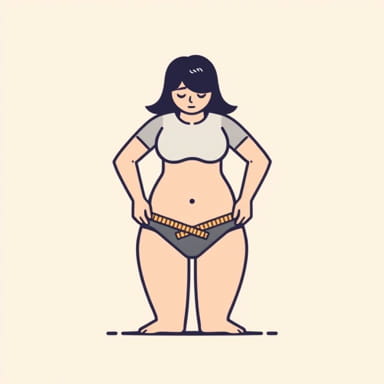
Experiencing sudden weight gain in the stomach and thighs can be concerning and confusing, especially when lifestyle habits like diet and exercise have remained consistent. This type of rapid weight change is not always simply a result of overeating or inactivity; it can be influenced by a variety of underlying factors including hormonal imbalances, fluid retention, medications, and certain medical conditions. Understanding the potential causes, symptoms, and solutions is essential for addressing the issue effectively and maintaining overall health and well-being.
Common Causes of Sudden Weight Gain
Hormonal Imbalances
Hormones play a critical role in regulating metabolism, fat distribution, and fluid balance. Imbalances in hormones such as cortisol, estrogen, and insulin can lead to weight gain, particularly in the stomach and thighs. For instance, elevated cortisol levels caused by chronic stress can promote abdominal fat storage, while estrogen imbalances during menopause may lead to fat accumulation in the hips and thighs.
Fluid Retention and Water Weight
Sudden swelling or puffiness in the stomach and thighs may result from fluid retention, also known as edema. This can be triggered by high sodium intake, certain medications, or underlying health conditions such as kidney, liver, or heart disease. Unlike fat gain, fluid retention may fluctuate daily and can cause noticeable bloating.
Medications
Certain medications can contribute to unexpected weight gain. Corticosteroids, antidepressants, antipsychotics, and hormonal treatments like birth control pills or hormone replacement therapy can affect appetite, metabolism, and fat distribution. If weight gain occurs shortly after starting a new medication, consulting a healthcare provider is important to explore alternatives or management strategies.
Thyroid Dysfunction
Hypothyroidism, a condition where the thyroid gland produces insufficient thyroid hormones, can slow metabolism and lead to weight gain in various areas, including the abdomen and thighs. Additional symptoms may include fatigue, dry skin, hair loss, and feeling cold. Thyroid function tests are crucial for accurate diagnosis and effective treatment.
Polycystic Ovary Syndrome (PCOS)
PCOS is a common hormonal disorder in women that can lead to weight gain, particularly in the lower abdomen, hips, and thighs. Insulin resistance, a frequent feature of PCOS, promotes fat storage and makes weight loss challenging. Other symptoms include irregular menstrual cycles, acne, and excessive hair growth.
Lifestyle Factors Contributing to Weight Gain
Dietary Habits
High-calorie diets, frequent consumption of processed foods, sugary drinks, and excessive carbohydrates can contribute to rapid weight gain. Even small daily excesses in caloric intake can accumulate over time, leading to fat deposits in targeted areas like the stomach and thighs.
Physical Inactivity
A sedentary lifestyle can exacerbate weight gain in the midsection and lower body. Lack of physical activity reduces the body’s ability to burn calories and can lead to fat accumulation in the abdomen and thighs. Regular exercise, including cardiovascular and strength training, helps maintain a healthy weight and supports fat distribution balance.
Stress and Sleep Deprivation
Chronic stress elevates cortisol levels, which encourages fat storage in the abdominal area. Additionally, inadequate sleep affects hormones that regulate appetite, leading to increased hunger and cravings for high-calorie foods. Combined, stress and poor sleep can accelerate weight gain in the stomach and thighs.
Health Conditions Associated with Fat Accumulation
Cushing’s Syndrome
Cushing’s syndrome is a rare condition caused by prolonged exposure to high levels of cortisol. It often results in sudden weight gain around the abdomen, face, and upper back, sometimes with thinner arms and legs. Other symptoms may include skin changes, bruising, and muscle weakness.
Insulin Resistance and Diabetes
Insulin resistance can lead to excess fat storage, particularly in the abdomen and thighs. Over time, this can contribute to the development of type 2 diabetes. Symptoms may include increased hunger, fatigue, frequent urination, and difficulty losing weight despite diet and exercise efforts.
Liver and Kidney Disorders
Fluid retention from liver or kidney dysfunction can cause swelling in the lower body, including the thighs and abdominal area. This type of weight gain is often accompanied by bloating, fatigue, and changes in urine or bowel habits.
Diagnostic Approaches
Medical Evaluation
Identifying the underlying cause of sudden weight gain involves a thorough medical evaluation. Healthcare providers may review medical history, lifestyle factors, and medications. Physical examination helps assess fat distribution, fluid retention, and overall health status.
Laboratory Tests
Blood tests may include thyroid function tests, hormone panels, fasting glucose, and liver or kidney function tests. These tests help detect metabolic or endocrine disorders contributing to sudden weight gain.
Imaging Studies
In some cases, imaging studies such as ultrasound or MRI may be recommended to evaluate organ health, fluid accumulation, or abnormal tissue growth contributing to abdominal or thigh weight gain.
Management and Treatment Strategies
Dietary Adjustments
Adopting a balanced, nutrient-rich diet can help manage weight gain. Emphasizing vegetables, fruits, lean proteins, and whole grains while reducing processed foods, added sugars, and excess sodium supports healthy fat distribution and overall metabolic function.
Regular Exercise
Combining cardiovascular exercises, like walking, cycling, or swimming, with strength training can help burn calories, build muscle, and improve fat distribution. Targeted lower body exercises, such as squats and lunges, may help tone thighs while core exercises can strengthen abdominal muscles.
Medical Interventions
If hormonal imbalances or medical conditions are detected, specific treatments may include
- Thyroid hormone replacement for hypothyroidism
- Medications or lifestyle interventions for insulin resistance or PCOS
- Adjusting or switching medications that contribute to weight gain
- Addressing fluid retention through diuretics or treatment of underlying organ conditions
Stress Reduction and Sleep Optimization
Incorporating stress management techniques such as meditation, yoga, and deep breathing exercises can reduce cortisol levels and abdominal fat accumulation. Maintaining consistent sleep routines and prioritizing quality rest also supports hormonal balance and metabolic health.
Prevention Tips
Monitor Weight and Lifestyle
Regularly tracking weight, dietary intake, and physical activity helps detect early changes and prevent sudden weight gain. Awareness of how lifestyle choices affect the body allows for timely adjustments.
Routine Health Check-Ups
Annual medical check-ups can identify hormonal or metabolic issues before they cause significant weight gain. Early detection and intervention improve long-term outcomes.
Maintain a Balanced Lifestyle
A combination of healthy eating, regular exercise, stress management, and adequate sleep creates a sustainable approach to maintaining a healthy weight and preventing fat accumulation in the stomach and thighs.
Sudden weight gain in the stomach and thighs can result from a complex interplay of hormonal imbalances, fluid retention, medications, and underlying medical conditions. While lifestyle factors such as diet, exercise, stress, and sleep play a significant role, medical evaluation is essential when rapid weight changes occur. Understanding the potential causes allows individuals to take targeted actions, whether through lifestyle adjustments, medical treatments, or preventive strategies.
By monitoring health, making balanced lifestyle choices, and seeking professional guidance when needed, it is possible to manage sudden weight gain effectively. Awareness and proactive management support not only aesthetic and physical health but also long-term metabolic and overall well-being, helping individuals maintain a healthy weight distribution in the stomach and thighs.