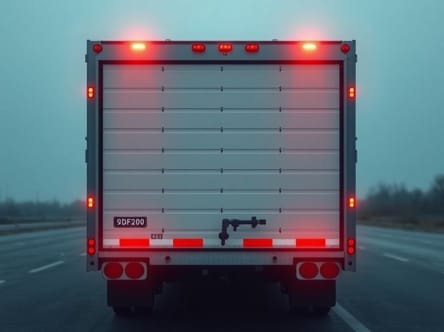
Tailboard lights for trailers are a crucial component of road safety and visibility, especially during nighttime driving or in poor weather conditions. These lights are mounted on the rear of a trailer and serve multiple purposes, including signaling braking, turning, and reversing, while also helping other drivers see the trailer’s position and movement. Whether you’re hauling goods cross-country or towing equipment locally, properly functioning trailer tailboard lights are not just a legal requirement they’re essential for safe driving practices. Understanding how these lights work, the types available, and how to maintain them can significantly improve both performance and safety.
Understanding Tailboard Lights
Tailboard lights, also known as rear trailer lights, are designed to communicate the intentions of the driver to those behind them. Just like on any motor vehicle, these lights typically include several functions, such as brake lights, turn indicators, tail lights, and reverse lights. For trailers, which are often towed and may obstruct the vehicle’s original rear lights, tailboard lights provide a direct and clear signal that mirrors the towing vehicle’s commands.
Functions of Tailboard Lights
These rear lights perform multiple roles, all of which are vital to ensure safety and compliance with road laws:
- Tail lights: Illuminate when headlights are on to make the trailer visible at night.
- Brake lights: Activate when the towing vehicle’s brakes are applied, signaling the vehicle is slowing down.
- Turn signals: Blink to indicate a left or right turn or lane change.
- Reverse lights: Light up when the vehicle is put in reverse, warning others of backward movement.
- Reflectors: Often integrated into the lights to reflect headlights and increase visibility.
Types of Trailer Tailboard Lights
There are various types of tailboard lights, and the best choice depends on the trailer’s size, type, and use. Over time, lighting technology has improved, and options now range from basic incandescent bulbs to advanced LED systems.
Incandescent Tailboard Lights
These traditional lights use a filament that glows when electric current passes through it. While inexpensive and easy to replace, they have a shorter lifespan and are more susceptible to vibration damage making them less ideal for trailers exposed to rough terrain.
LED Tailboard Lights
LED (Light Emitting Diode) lights are more energy-efficient, longer-lasting, and resistant to shock. They provide brighter illumination and faster response time, which can enhance safety. Though they cost more upfront, their durability and low maintenance make them a popular choice for modern trailers.
Submersible Tailboard Lights
For boat trailers or any trailer that may be submerged in water, submersible lights are a must. These are sealed to prevent water intrusion and are usually made of corrosion-resistant materials. LED submersible lights are especially effective in marine environments.
Wiring and Electrical Connection
The effectiveness of tailboard lights depends heavily on proper wiring and connectivity between the towing vehicle and trailer. Most trailers use a standard connector typically a 4-pin, 5-pin, or 7-pin plug to link to the vehicle’s electrical system. This connection allows the lights to mirror the vehicle’s actions in real time.
Common Wiring Configurations
- 4-pin connector: Powers basic functions like brake, turn, and tail lights.
- 5-pin connector: Adds a wire for auxiliary functions, such as electric brakes.
- 7-pin connector: Supports all lighting functions plus reverse lights and charging circuits.
Wiring must be kept clean, secure, and free of corrosion to avoid signal failures. Regular inspection of connectors and cables can help prevent short circuits and improve safety on the road.
Mounting and Placement Guidelines
Correct placement of trailer tailboard lights is essential for them to serve their purpose effectively. Regulations typically require that rear lights be mounted symmetrically on either side of the trailer and be visible from a specific distance often 500 feet at night.
Mounting should be at a height that ensures visibility to other drivers, generally between 15 and 72 inches from the ground. In addition, reflectors or auxiliary lighting may be required on wider trailers to improve side and rear visibility.
Maintenance Tips for Tailboard Lights
Like all trailer components, tailboard lights need routine maintenance to remain functional. Failure to maintain lighting can result in traffic violations, fines, or even accidents.
Steps for Routine Maintenance
- Check for burnt-out bulbs or damaged LEDs.
- Inspect the wiring for fraying or exposed conductors.
- Clean light covers regularly to remove dirt and grime.
- Ensure connectors are rust-free and fit snugly.
- Test lights before every trip, especially when towing long distances.
Using dielectric grease on electrical connections can also prevent moisture damage and corrosion, especially in humid or marine environments.
Legal Requirements and Safety Compliance
Different countries and regions have specific laws regarding trailer lighting. These typically outline the required functions, brightness levels, and placement of lights on various trailer types. For example, in the United States, the Department of Transportation (DOT) sets standards for trailer lighting systems. Ensuring compliance helps avoid penalties and ensures the trailer is safe for public roads.
Tailboard lights must also comply with visibility requirements, especially for commercial trailers. Failing to meet these standards can result in insurance complications or liability in the event of an accident.
Choosing the Right Tailboard Lights
When selecting tailboard lights for trailers, several factors should be considered:
- Trailer type: Boat trailers, utility trailers, cargo trailers, and flatbeds may all have different requirements.
- Weather conditions: Choose sealed or submersible lights for wet environments.
- Lighting technology: LEDs offer better longevity and brightness than traditional bulbs.
- Regulatory standards: Always select DOT-approved lights to ensure legal compliance.
Some tailboard light kits come with wiring harnesses and mounting hardware, which can simplify installation. When in doubt, consult your trailer’s manual or a qualified technician for guidance.
Tailboard lights for trailers are more than just accessories they are a fundamental part of road safety and legal compliance. Whether using incandescent bulbs or advanced LED systems, these lights provide essential signals that inform and protect other drivers. With proper installation, maintenance, and awareness of legal requirements, trailer owners can ensure their tailboard lights function reliably in every condition. Investing in high-quality lights not only improves visibility and aesthetics but also enhances the overall safety of your towing experience.