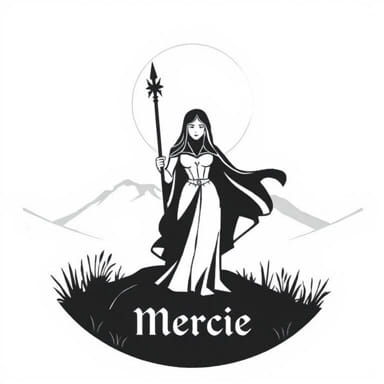
John Keats’s poemLa Belle Dame sans Merciis one of the most haunting and enigmatic works in English Romantic poetry. Written in 1819, it captures a dreamlike and melancholic encounter between a knight and a mysterious, enchanting woman. The poem’s title, meaning The Beautiful Lady Without Mercy, hints at its themes of seduction, enchantment, and inevitable loss. Through vivid imagery, a ballad structure, and symbolic storytelling, Keats weaves a narrative that blurs the line between reality and fantasy, leaving readers questioning the nature of the knight’s fate and the identity of the mysterious lady.
Historical Context and Inspiration
Keats composedLa Belle Dame sans Merciduring a period of intense creativity, often referred to as his Great Year of 1819. This was also a time of personal struggle, as he was facing poor health and financial difficulties. The poem reflects Romanticism’s fascination with beauty, the supernatural, and the transience of human experience. Keats drew inspiration from medieval legends, courtly love poetry, and the symbolic traditions of chivalry, combining them into a concise yet deeply atmospheric ballad.
Form and Structure
The poem is written in a ballad form, consisting of twelve quatrains with an ABCB rhyme scheme. This structure gives the work a lyrical, songlike quality while maintaining a sense of narrative progression. The use of simple, direct language contrasts with the poem’s complex emotional undertones, making it accessible yet deeply layered.
One of the most notable aspects of the structure is its circular framing. The poem begins and ends with the knight in the same desolate, lifeless setting, suggesting that the events may be a vision, a dream, or a symbolic representation of inner despair.
Summary of the Poem
The narrative unfolds as a speaker encounters a pale, weary knight alone and palely loitering in a barren landscape. The knight recounts meeting a beautiful woman who seemed supernatural in her allure. She spoke in an unknown language, wove garlands for him, and led him to her elfin grot. There, she lulled him to sleep, and he dreamed of kings, princes, and warriors who warned him that he had fallen under the spell of La Belle Dame sans Merci.
When he awoke, the lady was gone, and he found himself alone in the cold, deserted land. The knight’s haunting retelling leaves the listener, and the reader, uncertain about whether this was a supernatural seduction or a symbolic reflection of emotional ruin.
Character Analysis
- The Knight-at-ArmsA symbol of vulnerability and romantic idealism. His pale and desolate state suggests both physical exhaustion and emotional devastation.
- La Belle DameA mysterious, enchanting figure who embodies beauty and danger. She is both alluring and destructive, possibly representing unfulfilled desire, unattainable love, or the fatal attraction of beauty itself.
Major Themes
The Allure and Danger of Beauty
The central theme revolves around beauty as both irresistible and perilous. The knight’s downfall stems from his complete surrender to the lady’s charm, echoing Romanticism’s fascination with beauty’s power to captivate and destroy.
Love and Illusion
Keats presents love as intertwined with illusion. The knight’s idyllic moments with the lady are fleeting, and her promises dissolve into abandonment. This tension between reality and fantasy is a hallmark of the Romantic tradition.
The Inevitability of Loss
The barren setting at the beginning and end of the poem underscores the theme of inevitable loss. Whatever joy or enchantment the knight experienced has left him with emptiness and longing, reflecting the transient nature of human happiness.
Symbolism in the Poem
Keats uses rich symbolism to deepen the meaning of the narrative
- The Withered LandscapeSymbolizes emotional desolation, mortality, and the aftermath of unfulfilled love.
- Garlands and Sweet RootsRepresent romantic gestures, fleeting pleasure, and the temporary nature of passion.
- Elfin GrotA place of enchantment that also serves as a trap, symbolizing the seductive yet imprisoning power of desire.
- The Dream of Pale Kings and PrincesActs as a warning about the shared fate of those who have fallen under the lady’s spell.
Language and Imagery
Keats’s mastery of sensory imagery is evident throughout the poem. Visual descriptions such as pale warriors and starved lips in the gloam evoke a chilling, ghostly atmosphere. The repetition of words like pale and haggard reinforces the tone of fatal beauty and decay. The interplay of light and dark imagery mirrors the tension between the initial enchantment and the ultimate desolation.
Romanticism in the Poem
La Belle Dame sans Merciis a quintessential Romantic poem. It celebrates the imagination, draws upon medieval and mythical elements, and emphasizes personal emotional experience. At the same time, it acknowledges the limits of idealism, showing how beauty and desire can lead to disillusionment.
Critical Interpretations
Scholars have interpreted the poem in various ways. Some see the lady as a symbol of death, luring the knight toward his end with irresistible charm. Others view her as a representation of unattainable artistic beauty something that inspires but also destroys the artist who pursues it. The ambiguity of the poem allows for multiple readings, contributing to its enduring appeal.
Influence and Legacy
Since its publication,La Belle Dame sans Mercihas inspired countless artists, writers, and musicians. It has been adapted into paintings, referenced in novels, and discussed in literary criticism as a prime example of the Romantic fascination with fatal beauty. Its haunting refrain and unforgettable imagery ensure that it remains a cornerstone of English poetry.
Keats’sLa Belle Dame sans Merciis more than just a story about a knight and an enigmatic woman. It is a layered meditation on love, beauty, loss, and the complex interplay between desire and destruction. By weaving together dreamlike imagery, symbolic depth, and Romantic ideals, Keats created a timeless ballad that continues to captivate readers. Its mystery invites endless interpretation, ensuring its place as one of the most evocative and haunting works in the Romantic literary tradition.