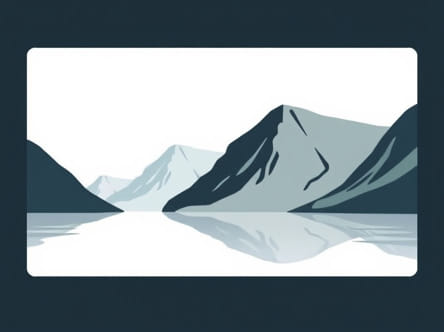
Fjords are among the most breathtaking natural landscapes found around the world, capturing the fascination of travelers, geologists, and nature lovers alike. These dramatic coastal formations not only tell a story of Earth’s geological past but also serve as unique ecosystems supporting diverse wildlife. Understanding what a fjord is, how it forms, and its significance can enrich one’s appreciation of these stunning geographic features. This topic delves into the definition of fjord, its formation process, locations, and related facts to provide a clear and comprehensive insight into this natural wonder.
What Is a Fjord?
A fjord is a long, narrow, deep inlet of the sea between high cliffs or steep slopes, typically formed by the submergence of a glaciated valley. The defining characteristic of a fjord is its steep sides or cliffs that rise dramatically from the water, creating a striking landscape. Fjords are generally much deeper than the adjacent sea and often extend far inland.
Basic Definition
- A fjord is a glacially carved valley flooded by seawater.
- It is typically long, narrow, and deep.
- It has steep cliffs or slopes on either side.
- Usually found along coastlines where glaciers once existed.
Unlike regular bays or coastal inlets, fjords owe their unique shape and depth to the action of glaciers rather than just erosion from water or wind.
How Are Fjords Formed?
The formation of fjords is a fascinating process that involves the advance and retreat of glaciers during ice ages. Here’s how it happens:
Glacial Carving
During an ice age, glaciers move slowly across the land, carving deep valleys as they go. These glaciers are massive sheets of ice that scour the earth beneath them through abrasion and plucking. The glaciers cut U-shaped valleys into the landscape, unlike the V-shaped valleys formed by rivers.
Submergence by the Sea
When the glaciers melt and retreat, sea levels rise and flood these deep, U-shaped valleys. This flooding turns them into fjords narrow inlets filled with seawater surrounded by steep cliffs.
Post-Glacial Adjustments
After glaciers retreat, the earth’s crust often experiences a process called isostatic rebound, where the land slowly rises due to the reduced weight of the ice. This can affect fjords by altering their depth or shoreline over time.
Where Are Fjords Found?
Fjords are primarily found in regions that experienced extensive glaciation during the last ice age. Some of the most famous and extensive fjord landscapes are located in:
- Norway: Known for its iconic fjords like the Geirangerfjord and Sognefjord, Norway is often called the land of fjords.
- New Zealand: Fiordland National Park in the South Island has spectacular fjords such as Milford Sound and Doubtful Sound.
- Canada: The coast of British Columbia features many fjords along its rugged shoreline.
- Chile: The southern coast of Chile has deep fjords carved by glaciers in Patagonia.
- Greenland: Home to many deep fjords formed by ice sheets.
Fjords also occur in other places with glacial history, including Alaska, Scotland, and Iceland.
Characteristics of Fjords
Understanding the common features of fjords helps differentiate them from other coastal formations.
Depth
Fjords are often very deep, sometimes plunging hundreds of meters below sea level. Their depth is usually much greater than the surrounding ocean floor due to the glacier’s erosive power.
Steep Walls
The sides of fjords are marked by steep, often vertical cliffs, which create a dramatic contrast to the narrow waterway below.
Narrow and Elongated Shape
Fjords tend to be long and narrow, extending several kilometers inland. This shape is a result of the glacier’s path through the landscape.
Fresh and Saltwater Mixing
Fjords typically have a layer of freshwater on top, coming from rivers and rainfall, mixing with the saltwater beneath from the ocean. This stratification creates unique ecological conditions.
Ecological and Economic Importance of Fjords
Fjords are not only scenic but also serve important ecological and economic roles.
Unique Ecosystems
The mixing of fresh and saltwater, combined with nutrient-rich sediments from glaciers, supports diverse marine and terrestrial life. Fjords often provide habitats for fish, seabirds, and marine mammals.
Fisheries
Many fjords support local fishing industries due to their rich biodiversity, providing a source of livelihood for coastal communities.
Tourism
The striking beauty of fjords attracts tourists worldwide, making them vital for local economies. Activities like boat tours, hiking, and wildlife watching are popular in fjord regions.
Common Misconceptions About Fjords
Some people confuse fjords with other coastal features such as rias or fjards. Understanding the differences can clarify what makes fjords unique.
- Rias: These are drowned river valleys, generally broader and less steep than fjords.
- Fjards: Smaller, shallower versions of fjords, often with more gentle slopes.
The key distinguishing factor for fjords is their formation by glacial activity and their characteristic steep cliffs.
Famous Fjords Around the World
Highlighting some well-known fjords can inspire interest and travel to these natural wonders.
- Geirangerfjord, Norway: Known for its stunning waterfalls and steep cliffs.
- Milford Sound, New Zealand: Famous for dramatic mountain scenery and abundant wildlife.
- Sognefjord, Norway: The longest and deepest fjord in Norway.
- Kenai Fjords, Alaska: Renowned for glaciers and marine wildlife.
In summary, a fjord is a deep, narrow coastal inlet with steep sides, formed by the flooding of glacial valleys. Fjords are distinctive geological formations created by glaciers during ice ages, now filled with seawater and marked by dramatic cliffs. Found mainly in northern and southern latitudes with a history of glaciation, they are ecologically rich and economically important. Understanding the definition of fjord enhances one’s appreciation of these magnificent landscapes, which continue to attract millions of visitors and inspire awe with their natural beauty.