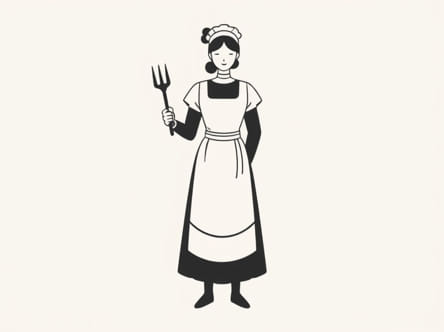
The English language has many gendered terms, particularly when referring to job roles or social titles from earlier periods. One such term is maidservant, traditionally used to describe a female domestic worker. But what if you wanted to refer to the masculine of maidservant? Understanding this not only helps improve vocabulary and gender distinctions in English, but it also offers insight into historical roles, evolving language, and modern equivalents. This topic explores what the masculine form of maidservant is, how it’s been used historically, and how the language around domestic service has changed over time.
Understanding the Word Maidservant
Before identifying the masculine form, it’s important to understand what maidservant means. A maidservant is a female domestic worker who performs household tasks like cleaning, cooking, or attending to personal needs of employers. This term was common in English from the 17th to the early 20th centuries and appeared often in literature, historical records, and upper-class households.
Examples of how the word might be used:
- The maidservant brought the tea into the drawing room.
- She worked as a maidservant in the manor for over ten years.
What Is the Masculine of Maidservant?
The direct masculine counterpart of maidservant ismanservant. Like the maidservant, a manservant is a male domestic worker, typically employed in wealthy households to serve the male members or to carry out particular tasks such as valeting, carrying luggage, or assisting in dressing.
Manservants were more common in aristocratic or upper-class environments, often serving a specific gentleman in personal capacities. They had similar duties to maidservants but were usually assigned gender-specific responsibilities aligned with traditional male roles.
Example sentence:
- The manservant opened the door and took the guest’s coat.
Other Related Masculine Terms
While manservant is the most accurate masculine version, here are a few related or overlapping terms depending on the context and role:
- Valet– A personal male attendant, especially one who assists with dressing, grooming, or travel.
- Butler– A senior male domestic worker in charge of household staff and services, particularly food and dining.
- Footman– A uniformed male servant who performs duties such as opening doors, serving meals, or accompanying carriages.
Each of these roles has distinct duties, but they all share the core idea of male domestic service.
Comparison Between Maidservant and Manservant
Though both terms refer to domestic workers, their roles were often divided by traditional gender expectations. Here’s a comparison:
| Aspect | Maidservant | Manservant |
|---|---|---|
| Gender | Female | Male |
| Common Duties | Cleaning, laundry, childcare, meal preparation | Valeting, carrying, assisting gentlemen, security |
| Social Status | Lower-tier domestic staff | Often had more personal interaction with masters |
Historical Context and Usage
In historical periods, especially during the Victorian and Edwardian eras in Britain, households employed large teams of servants, and their titles reflected both gender and hierarchy. The use of maidservant and manservant was standard in formal writing and daily communication within those social structures.
In literature, these terms appear frequently. For example, in Jane Austen’s novels, characters might refer to manservants and maidservants to establish class, wealth, or social roles. The way these roles are portrayed reveals much about the expectations of each gender within servitude.
The Decline of Gendered Domestic Titles
As society evolved, especially during the 20th century, the use of highly gendered job titles began to fade. Today, terms like maidservant and manservant sound archaic or even classist. Modern language tends to favor more neutral or professional-sounding terms such as:
- Housekeeper– Used regardless of gender, though still more common for women.
- Domestic worker– A gender-neutral term for someone working in a household.
- Personal assistant– Often used in high-end homes with more modern job scopes.
In professional environments, people avoid terms like manservant due to their outdated and sometimes demeaning connotations. However, for historical or literary analysis, these terms remain relevant.
Modern Usage and Equivalents
In contemporary English, you’re more likely to hear maid or housekeeper than maidservant, and valet or personal assistant than manservant. These shifts reflect a broader societal change towards equality and respect in job titles.
In casual or humorous contexts, manservant might still be used playfully or dramatically, especially in films, TV, or satire. For example:
- He jokingly referred to his younger brother as his manservant during the trip.
Masculine of Maid – Is It Always Manservant?
It’s worth noting that maid alone (without servant) can refer to a cleaning lady, especially in hotels or homes. The masculine version of maid in this context isn’t always clear-cut. Common alternatives include:
- Cleaner– Gender-neutral, widely used today.
- Janitor– Usually refers to someone who cleans and maintains buildings, often male.
- Houseman– Sometimes used in hospitality for a male worker who assists in cleaning and moving items.
So, while manservant is the masculine of maidservant, it’s not a direct masculine version of maid in all contexts. Each setting (domestic, hotel, historical) may suggest a different appropriate term.
Why Knowing the Masculine Form Matters
Understanding the masculine of maidservant goes beyond simple vocabulary. It reveals how language mirrors society’s structure, gender expectations, and historical traditions. Learning both the feminine and masculine versions of occupational titles helps English learners and speakers recognize nuances, especially in literature, historical texts, or formal writing.
Moreover, for those translating or interpreting from older English, grasping these distinctions is essential. Knowing that manservant was once a common role sheds light on class and employment in earlier centuries.
The masculine of maidservant is manservant, a term that historically referred to a male domestic worker. Though rarely used in modern language, it remains important in understanding English history, literature, and the evolution of occupational vocabulary. With modern shifts toward gender neutrality and professional respect, terms like domestic worker, housekeeper, and valet are more commonly used today. Recognizing these differences not only enhances your vocabulary but deepens your understanding of how English adapts to cultural change while preserving its rich historical roots.