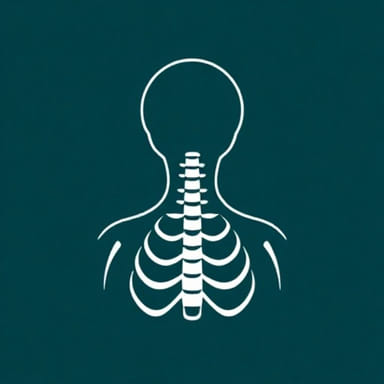
Experiencing a sudden stiffness or sharp discomfort in the neck is a common issue that many people encounter, often described as a crick in the neck. This condition can occur due to poor sleeping positions, sudden movements, prolonged periods of poor posture, or minor muscle strains. While usually not serious, a crick in the neck can cause significant discomfort, limit mobility, and affect daily activities. Understanding the causes, symptoms, and treatment options is essential for effective relief and prevention of recurrence.
Understanding a Crick in the Neck
A crick in the neck refers to localized muscle stiffness or a minor spasm that limits movement and causes pain. It typically affects one side of the neck and can radiate to the shoulders or upper back. The condition is often benign and self-limiting, but in some cases, it may signal underlying issues such as cervical disc problems, arthritis, or injury. The primary cause is usually a sudden movement or awkward posture that strains the neck muscles.
Common Causes of a Crick in the Neck
- Poor Sleeping PositionSleeping with the neck in an awkward angle can strain muscles and ligaments.
- Sudden MovementsQuick turns of the head or jerking motions can result in muscle spasms.
- Prolonged Poor PostureLong periods of hunching over a computer or phone can stress neck muscles.
- Muscle OveruseHeavy lifting, carrying weights, or repetitive neck movements may cause minor injury.
- Stress and TensionEmotional stress can increase muscle tension, contributing to neck stiffness.
Symptoms of a Crick in the Neck
Typical symptoms include
- Sharp or dull pain on one side of the neck
- Difficulty turning or moving the head
- Muscle tightness or knots in the neck and shoulder area
- Mild swelling or tenderness around the affected muscles
- Occasional headache due to muscle tension
Immediate Relief Measures
For most people, a crick in the neck can be relieved at home with simple measures. Prompt care often prevents worsening discomfort and promotes faster recovery.
Rest and Posture Adjustment
Taking a brief period of rest and avoiding activities that aggravate the neck is crucial. Maintaining proper posture while sitting, standing, or sleeping can help reduce strain. Using supportive pillows and adjusting the workstation ergonomically can prevent additional stress on the neck muscles.
Application of Heat or Cold
- Cold TherapyApplying an ice pack for the first 24 hours can help reduce inflammation and numb pain.
- Heat TherapyAfter the initial 24 hours, gentle heat using a warm compress or heating pad can relax tight muscles and improve blood flow.
Over-the-Counter Pain Relief
Non-prescription medications such as acetaminophen or ibuprofen can help alleviate pain and reduce inflammation. These should be taken according to package directions, and patients should consult a healthcare provider if they have underlying health conditions that could affect medication use.
Stretching and Gentle Exercises
Once the acute pain subsides, gentle stretching and range-of-motion exercises can improve flexibility, strengthen muscles, and prevent recurrence. Key exercises include
- Neck TiltSlowly tilt the head toward each shoulder, holding for 10-15 seconds.
- Neck RotationTurn the head gently from side to side, avoiding sudden movements.
- Chin TucksPull the chin gently toward the chest to stretch the back of the neck.
- Shoulder RollsRoll shoulders backward and forward to relieve tension in the surrounding muscles.
Consistency in performing these exercises can improve posture and prevent stiffness in the long term.
Physical Therapy and Professional Care
If a crick in the neck persists for more than a few days or is accompanied by severe pain, numbness, or tingling in the arms, professional evaluation is recommended. Physical therapists can offer
- Targeted exercises to strengthen neck and upper back muscles
- Manual therapy to improve joint mobility and reduce muscle tension
- Posture training and ergonomic advice
- Instruction on home exercises and stretching techniques
Alternative Therapies
Some individuals benefit from complementary approaches, such as
- Massage TherapyHelps relax tight muscles and reduce discomfort.
- AcupunctureMay provide temporary pain relief for some patients.
- Chiropractic CareCan be considered for alignment issues, though it should be approached cautiously.
Prevention of a Crick in the Neck
Preventing a crick in the neck involves addressing lifestyle factors and maintaining proper neck health. Effective strategies include
- Maintaining Good PostureKeep the head aligned with the spine, especially during prolonged sitting or computer work.
- Ergonomic AdjustmentsEnsure desks, chairs, and monitors support a neutral neck position.
- Regular StretchingPerform neck and shoulder stretches to maintain flexibility.
- Adequate Sleep SupportUse pillows that support the natural curve of the neck and avoid sleeping in awkward positions.
- Limit Sudden MovementsAvoid quick or jerky neck motions that can strain muscles.
- Manage StressTechniques such as deep breathing, yoga, or meditation can reduce tension in neck muscles.
When to Seek Medical Attention
While most cases of a crick in the neck are minor, certain warning signs necessitate professional evaluation
- Severe or worsening pain that does not improve with rest or OTC medications
- Persistent stiffness or limited range of motion beyond a week
- Numbness, tingling, or weakness in the arms or hands
- Associated headache, fever, or neurological symptoms
- History of trauma or suspected injury to the neck or spine
A crick in the neck is a common, usually benign condition caused by muscle strain, poor posture, or sudden movements. Immediate relief can be achieved through rest, proper posture, cold or heat therapy, and over-the-counter pain medications. Gentle stretching, ergonomic adjustments, and preventive measures help reduce the risk of recurrence. In persistent or severe cases, consulting a healthcare provider or physical therapist ensures proper evaluation and targeted treatment. By combining self-care strategies and professional guidance when necessary, individuals can effectively manage neck stiffness and maintain optimal neck health.