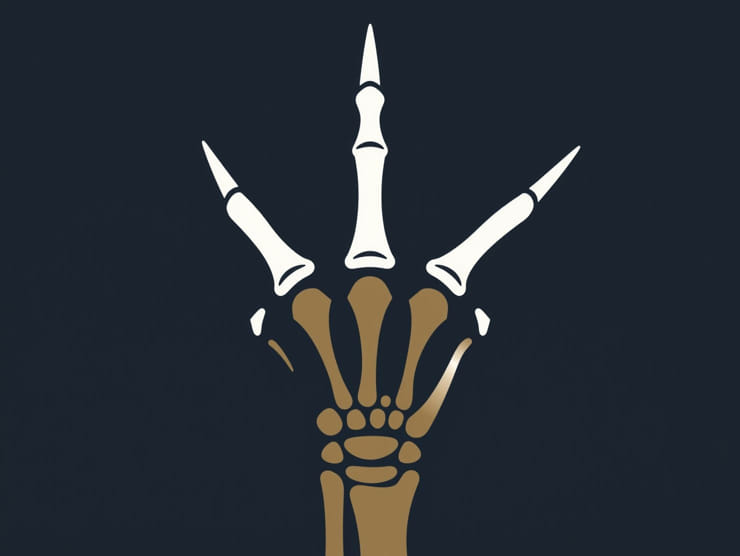
Ulnar nerve claw hand is a condition that occurs due to injury or dysfunction of the ulnar nerve, one of the major nerves of the arm. This condition affects the hand’s appearance and functionality, often leading to difficulty in performing fine motor tasks. The ulnar nerve is responsible for controlling the small muscles in the hand that allow precise movements, as well as providing sensation to the little finger and half of the ring finger. When the nerve is damaged, patients may notice a characteristic claw-like deformity in the hand, along with weakness, numbness, and impaired grip strength. Understanding the causes, symptoms, and treatment options for ulnar nerve claw hand is essential for effective management and recovery.
Anatomy and Function of the Ulnar Nerve
The ulnar nerve originates from the brachial plexus, specifically from the C8 and T1 nerve roots. It travels down the arm, passes behind the elbow in a groove known as the cubital tunnel, and continues into the hand. The nerve provides motor innervation to many intrinsic hand muscles, including the interossei and the lumbricals of the fourth and fifth fingers, as well as the adductor pollicis. Additionally, the ulnar nerve carries sensory fibers that supply the skin of the little finger and the medial half of the ring finger.
Role in Hand Movements
The ulnar nerve is crucial for fine motor skills, grip strength, and hand coordination. It allows for movements such as finger abduction and adduction, precise pinching, and claw flexion and extension. Damage to the nerve disrupts these functions, leading to difficulty in performing everyday activities such as writing, typing, or holding objects securely.
Causes of Ulnar Nerve Claw Hand
Ulnar nerve claw hand typically results from nerve injury or compression. The severity and location of the damage determine the extent of the deformity and loss of hand function.
Trauma and Injury
Direct trauma to the elbow, forearm, or wrist can damage the ulnar nerve. Common causes include fractures, lacerations, or prolonged pressure from immobilization. Injuries can lead to partial or complete loss of nerve function, resulting in the characteristic clawing of the fingers.
Compression Syndromes
Ulnar nerve compression is a frequent cause of claw hand deformity. Conditions such as cubital tunnel syndrome, where the nerve is compressed at the elbow, or Guyon’s canal syndrome, where it is compressed at the wrist, can gradually impair nerve function. Repetitive activities, prolonged elbow flexion, or workplace ergonomics can contribute to compression over time.
Medical Conditions
Certain medical conditions can increase the risk of ulnar nerve dysfunction. Diabetes, rheumatoid arthritis, and systemic inflammatory disorders may predispose individuals to nerve damage or exacerbate existing injuries. Early detection of underlying conditions is critical to prevent progression to severe deformity.
Symptoms and Clinical Features
The hallmark symptom of ulnar nerve claw hand is the claw-like appearance of the fourth and fifth fingers. This occurs due to imbalance between the weakened intrinsic muscles and the overactive long flexors and extensors. Other common symptoms include muscle weakness, numbness, tingling, and difficulty with fine motor tasks.
Hand Deformity
The claw hand deformity is most evident when the patient attempts to extend the fingers. The metacarpophalangeal joints of the affected fingers become hyperextended, while the interphalangeal joints remain flexed, giving the hand a characteristic clawed look. This deformity can progress over time if the underlying nerve dysfunction is not addressed.
Sensory Impairment
Patients often experience sensory changes, including numbness or tingling along the little finger and the medial half of the ring finger. These symptoms can impair the ability to detect temperature changes or texture, increasing the risk of injuries or burns.
Functional Limitations
Weakness of the hand muscles reduces grip strength and fine motor coordination. Tasks such as pinching, holding utensils, buttoning clothes, or writing may become challenging. In severe cases, patients may struggle with daily activities, affecting overall independence and quality of life.
Diagnosis and Evaluation
Diagnosis of ulnar nerve claw hand involves a combination of clinical examination, patient history, and diagnostic tests. Early evaluation is important to prevent permanent deformity and functional loss.
Physical Examination
During examination, clinicians observe the characteristic clawing of the fingers, test muscle strength, and assess sensory function. Special maneuvers, such as the Froment sign and Wartenberg sign, may be used to detect specific weaknesses of the ulnar nerve.
Electrodiagnostic Testing
Nerve conduction studies and electromyography (EMG) help confirm ulnar nerve damage, locate the site of injury, and determine its severity. These tests provide objective data that guide treatment planning and prognosis.
Imaging Studies
In cases of trauma or suspected compression, imaging such as X-rays, ultrasound, or MRI may be used to detect fractures, soft tissue abnormalities, or structural causes of nerve entrapment. Imaging helps identify the underlying cause and assists in surgical planning when necessary.
Treatment Options
Management of ulnar nerve claw hand depends on the severity and duration of the condition. Treatment ranges from conservative measures to surgical interventions aimed at restoring function and correcting deformity.
Conservative Management
For mild cases or early-stage nerve injury, conservative treatment may include splinting, physical therapy, and activity modification. Splints help prevent further deformity and support the hand in a functional position. Physical therapy focuses on strengthening hand muscles, improving range of motion, and maintaining flexibility.
Medications
Medications such as nonsteroidal anti-inflammatory drugs (NSAIDs) may be used to reduce pain and inflammation associated with nerve compression. In some cases, corticosteroid injections can relieve localized inflammation, especially in compression syndromes.
Surgical Interventions
In severe or chronic cases where conservative measures fail, surgery may be required. Procedures can include nerve decompression, nerve repair, tendon transfer, or joint stabilization. The goal is to restore hand function, correct deformity, and prevent further muscle atrophy. Early surgical intervention often results in better functional outcomes.
Rehabilitation and Recovery
Post-treatment rehabilitation is crucial for maximizing hand function and preventing recurrence of claw deformity. Hand therapy, occupational therapy, and targeted exercises help restore strength, dexterity, and coordination. Continuous monitoring and follow-up care are essential to evaluate progress and address any complications promptly.
Preventive Measures
Preventing ulnar nerve injury is vital, particularly for individuals at risk due to repetitive activities or occupational hazards. Avoiding prolonged elbow flexion, maintaining proper ergonomics, and using protective padding can reduce the likelihood of nerve compression. Early recognition of symptoms and timely intervention significantly improve outcomes.
Ulnar nerve claw hand is a complex condition that can significantly impact hand function and quality of life. Understanding the anatomy, causes, symptoms, and treatment options is essential for effective management. Early diagnosis, conservative care, surgical intervention when needed, and rehabilitation are key components of successful treatment. By addressing both functional and aesthetic concerns, patients with ulnar nerve claw hand can regain independence, improve hand strength, and maintain daily activity performance. Awareness, preventive measures, and prompt medical attention are critical in minimizing the long-term effects of this condition.