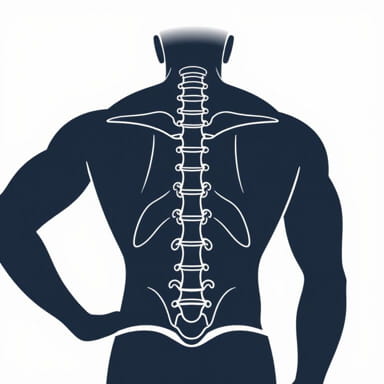
Upper back muscle strain is a common condition that affects individuals across all age groups, often resulting from overuse, poor posture, or sudden movements. The upper back, also known as the thoracic region, consists of muscles, tendons, and ligaments that support the spine and facilitate movement of the shoulders and arms. A strain occurs when these muscles are overstretched or torn, leading to pain, stiffness, and limited mobility. Understanding the causes, symptoms, risk factors, and treatment options for upper back muscle strain is crucial for effective management and recovery. Early intervention can help prevent chronic pain and ensure a quicker return to daily activities.
Causes of Upper Back Muscle Strain
Upper back muscle strains can result from a variety of activities and conditions that put stress on the muscles in the thoracic region. Common causes include
- Poor posture during sitting or standing, especially for extended periods
- Heavy lifting or sudden jerking movements
- Repetitive motions, such as those involved in sports or certain occupations
- Accidents or falls that impact the upper back
- Weak or unconditioned muscles that are more prone to injury
- Stress and tension, which can cause muscle tightening and strain
Understanding these causes is essential for both prevention and effective treatment of upper back muscle strain.
Signs and Symptoms
Recognizing the symptoms of an upper back muscle strain can help in seeking timely care and preventing further injury. Common signs include
- Localized pain in the upper back, often between the shoulder blades
- Muscle stiffness and tightness
- Swelling or tenderness over the affected area
- Difficulty moving the shoulders or upper back comfortably
- Muscle spasms or cramping
- Pain that worsens with physical activity or lifting
In some cases, the pain may radiate to the neck or arms, making it important to differentiate muscle strain from other conditions such as herniated discs or nerve compression.
Risk Factors
Certain factors can increase the likelihood of developing an upper back muscle strain. These include
- Poor ergonomics in the workplace or home setting
- Lack of regular exercise or muscle conditioning
- Obesity, which places additional strain on the back muscles
- Participation in high-intensity sports without proper warm-up
- Previous history of back injuries or chronic back pain
- Age-related muscle weakening and reduced flexibility
Identifying risk factors can help individuals take preventive measures and reduce the chance of sustaining a strain.
Diagnosis of Upper Back Muscle Strain
Diagnosing an upper back muscle strain typically involves a physical examination and a review of the patient’s medical history. A healthcare professional may
- Assess the range of motion and flexibility of the upper back
- Palpate the muscles to identify areas of tenderness or tightness
- Check for swelling, bruising, or muscle spasms
- Order imaging tests, such as X-rays or MRI, if more serious injury is suspected
- Rule out conditions like herniated discs, fractures, or nerve damage
An accurate diagnosis ensures that appropriate treatment is provided and prevents complications.
Treatment Options
Treatment for upper back muscle strain aims to relieve pain, reduce inflammation, and restore mobility. Most cases improve with conservative management, including
Rest and Activity Modification
Taking a break from activities that exacerbate pain allows the strained muscles to heal. Gentle movements and stretching are encouraged to prevent stiffness, but heavy lifting and high-intensity exercises should be avoided until fully recovered.
Physical Therapy
Physical therapy can help strengthen the muscles, improve posture, and restore range of motion. Therapists may use techniques such as
- Targeted strengthening exercises for the upper back and shoulders
- Stretching routines to enhance flexibility
- Manual therapy, including massage and soft tissue mobilization
- Postural training and ergonomic adjustments
Pain Management
Over-the-counter pain relievers, such as acetaminophen or nonsteroidal anti-inflammatory drugs (NSAIDs), can help manage discomfort. In severe cases, a healthcare professional may recommend prescription medications or muscle relaxants to alleviate pain and reduce muscle spasms.
Heat and Cold Therapy
Applying ice to the strained area in the first 24-48 hours can reduce inflammation and swelling. Heat therapy, such as warm compresses or heating pads, may be beneficial after the initial inflammation subsides, helping to relax tight muscles and improve blood flow.
Alternative Therapies
Some patients benefit from complementary treatments, including acupuncture, chiropractic care, or yoga, which can help reduce pain, improve flexibility, and promote overall well-being.
Prevention Strategies
Preventing upper back muscle strain involves maintaining muscle strength, proper posture, and overall spinal health. Effective strategies include
- Regular exercise to strengthen upper back, shoulders, and core muscles
- Maintaining ergonomic workspaces and using supportive chairs
- Avoiding prolonged periods of poor posture
- Using proper lifting techniques and avoiding sudden heavy lifting
- Stretching before and after physical activity
- Managing stress to prevent muscle tension
Incorporating these preventive measures into daily routines can significantly reduce the risk of upper back muscle strain.
When to Seek Medical Attention
Most upper back muscle strains heal within a few weeks with conservative care. However, medical attention should be sought if
- Pain is severe or worsening
- Numbness, tingling, or weakness develops in the arms or hands
- There is difficulty breathing or chest pain
- Pain persists beyond a few weeks without improvement
- There are signs of infection, such as redness or fever
Prompt evaluation ensures that more serious conditions are ruled out and appropriate treatment is provided.
Recovery and Outlook
Recovery from upper back muscle strain depends on the severity of the injury, adherence to treatment, and overall health. Most patients experience significant improvement within 2 to 6 weeks. Consistent physical therapy, gradual return to activity, and lifestyle adjustments contribute to long-term recovery and reduced risk of recurrence.
Upper back muscle strain is a common condition that can cause pain, stiffness, and limited mobility, but it is generally manageable with proper care. Understanding the causes, risk factors, and symptoms helps individuals take preventive measures and seek timely treatment. Conservative treatments such as rest, physical therapy, pain management, and heat or cold therapy are often effective in promoting recovery. Maintaining good posture, regular exercise, and ergonomic adjustments can prevent future strains. Early intervention, proper management, and attention to spinal health ensure a quicker recovery and help individuals return to their daily activities with improved strength, flexibility, and overall well-being.