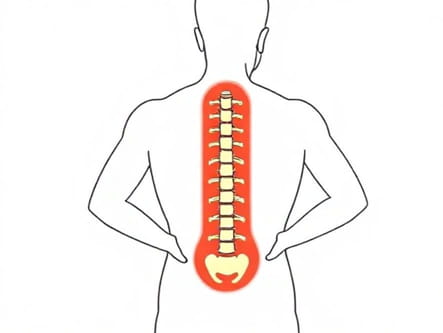
Upper back pain caused by a slipped disc is a common yet often misunderstood condition that affects many adults, particularly those who engage in heavy lifting, prolonged sitting, or repetitive physical activity. Unlike lower back pain, upper back pain associated with a herniated disc can impact posture, mobility, and overall quality of life, often radiating to the shoulders, arms, or chest. Understanding the causes, symptoms, diagnostic approaches, and treatment options is essential for effectively managing this condition and preventing long-term complications.
Understanding Upper Back Pain and Slipped Discs
The spine is a complex structure composed of vertebrae, intervertebral discs, ligaments, and muscles that provide support, flexibility, and protection to the spinal cord. A slipped disc, also referred to as a herniated or prolapsed disc, occurs when the soft inner material of a disc protrudes through its tough outer layer. This can put pressure on nearby nerves, leading to pain, numbness, or tingling sensations. While most herniated discs occur in the lower back, the upper or thoracic region can also be affected, though less frequently.
Anatomy of the Upper Spine
- Thoracic vertebraeThe upper back consists of 12 thoracic vertebrae that provide structural support and protect the spinal cord.
- Intervertebral discsCushion-like structures between vertebrae that absorb shock and facilitate movement.
- Nerve rootsBranches from the spinal cord that transmit signals to the arms, chest, and back.
Causes of Upper Back Slipped Discs
Several factors can contribute to a herniated disc in the upper back, including mechanical stress, degenerative changes, and traumatic injuries. The condition can develop gradually over time or occur suddenly after a specific incident.
Degenerative Disc Disease
As people age, intervertebral discs lose water content and elasticity, making them more susceptible to herniation. Degenerative changes in the upper spine can gradually lead to disc weakening and eventual protrusion.
Trauma or Injury
Sudden injuries from falls, car accidents, or heavy lifting can cause an upper back disc to slip. Even minor incidents can trigger a herniation in vulnerable discs.
Repetitive Strain
Occupational or lifestyle activities that involve repetitive bending, twisting, or heavy lifting increase the risk of disc herniation. Prolonged poor posture, such as slouching at a desk, can also contribute.
Symptoms of Upper Back Slipped Disc
The symptoms of an upper back herniated disc vary depending on the location and severity of the disc protrusion. They can range from mild discomfort to severe, disabling pain.
Pain
- Localized upper back pain that worsens with movement.
- Radiating pain to the chest, shoulders, or arms if nerves are compressed.
- Sharp or burning sensations in the affected area.
Numbness and Tingling
Compression of nerve roots can lead to tingling, numbness, or a pins-and-needles sensation in the upper back, shoulders, or arms.
Muscle Weakness
In severe cases, nerve compression may result in muscle weakness or difficulty lifting objects. This is particularly concerning if it affects the arms or hands.
Diagnosis of Upper Back Herniated Disc
Accurate diagnosis is critical for effective management of a slipped disc. Healthcare providers use a combination of patient history, physical examination, and imaging studies to confirm the condition.
Medical History and Physical Exam
- Assessment of pain location, duration, and severity.
- Evaluation of reflexes, muscle strength, and sensory changes.
- Observation of posture and spinal alignment.
Imaging Studies
- X-rayHelps rule out fractures or structural abnormalities.
- MRIProvides detailed images of discs, nerves, and spinal cord.
- CT ScanUseful for detecting bone involvement or more subtle disc protrusions.
Treatment Options
Treatment for upper back pain caused by a slipped disc depends on symptom severity, the degree of nerve compression, and the patient’s overall health. Conservative measures are often effective, with surgical intervention reserved for severe or refractory cases.
Conservative Treatment
- Rest and Activity ModificationAvoiding activities that exacerbate pain while maintaining gentle movement to prevent stiffness.
- MedicationsNonsteroidal anti-inflammatory drugs (NSAIDs), muscle relaxants, or pain relievers to manage discomfort.
- Physical TherapyExercises to strengthen back muscles, improve posture, and reduce spinal stress.
- Hot or Cold TherapyApplication of heat or ice to alleviate pain and inflammation.
Minimally Invasive Procedures
In cases where conservative treatment is insufficient, minimally invasive interventions may be considered
- Epidural steroid injections to reduce inflammation and relieve nerve pain.
- Selective nerve blocks to target specific areas of nerve compression.
Surgical Treatment
Surgery is typically reserved for patients with severe pain, progressive neurological deficits, or spinal cord compression. Common procedures include
- Discectomy Removal of the herniated portion of the disc.
- Spinal fusion Stabilization of the affected vertebrae to prevent further movement.
- Laminectomy Removal of part of the vertebra to relieve nerve pressure.
Prevention and Lifestyle Measures
Preventing upper back slipped discs involves maintaining spinal health and minimizing risk factors. Key strategies include
- Maintaining proper posture during sitting, standing, and lifting.
- Regular exercise to strengthen core and back muscles.
- Using ergonomic furniture and supportive mattresses.
- Avoiding heavy lifting without proper technique or assistance.
- Maintaining a healthy weight to reduce stress on the spine.
When to Seek Medical Attention
Immediate medical consultation is advised if symptoms include severe pain, sudden weakness, numbness, or loss of bladder or bowel control. Early intervention can prevent long-term complications and improve recovery outcomes.
Upper back pain caused by a slipped disc is a complex condition that can significantly affect daily life and mobility. Understanding the underlying causes, recognizing the symptoms, and obtaining an accurate diagnosis are critical for effective treatment. While most cases respond well to conservative management such as medication, physical therapy, and lifestyle modifications, severe cases may require minimally invasive procedures or surgery. Preventive measures, including proper posture, regular exercise, and ergonomic adjustments, play a vital role in reducing the risk of recurrence. By adopting a comprehensive approach to care, individuals suffering from upper back pain due to a herniated disc can achieve symptom relief, restore function, and enhance overall quality of life.