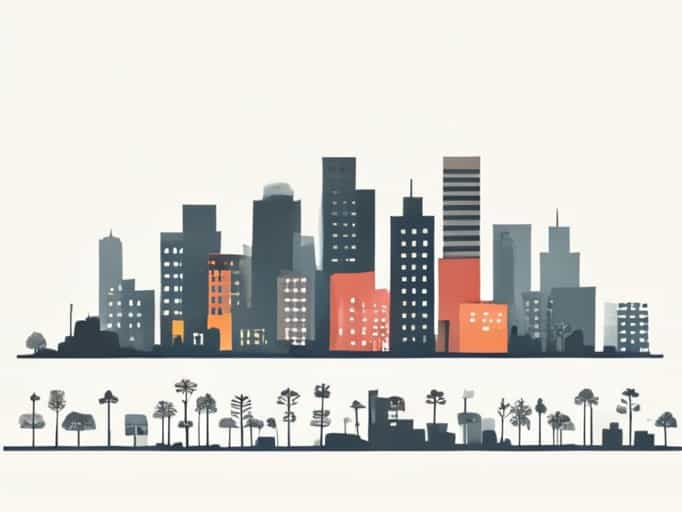
Urban sprawl and gentrification are two significant and interrelated phenomena shaping cities around the world. Urban sprawl refers to the uncontrolled expansion of urban areas into surrounding rural land, often characterized by low-density residential housing, commercial developments, and increased reliance on private vehicles. Gentrification, on the other hand, involves the transformation of urban neighborhoods through the influx of wealthier residents, often resulting in rising property values and the displacement of long-standing communities. Both processes have far-reaching social, economic, and environmental consequences, and understanding their causes, effects, and intersections is critical for urban planners, policymakers, and residents.
Understanding Urban Sprawl
Urban sprawl is driven by population growth, economic development, and the desire for larger homes and green spaces. It typically manifests as suburban expansion, where cities extend beyond their original boundaries, consuming farmland, forests, and other natural areas. Sprawl often relies heavily on automobile transportation, as new developments are frequently situated far from city centers, public transit networks, and essential services.
Causes of Urban Sprawl
- Population growth leading to increased demand for housing.
- Desire for affordable housing outside congested urban cores.
- Government policies promoting suburban development.
- Economic incentives for developers to build on undeveloped land.
- Availability of land and lower property costs in suburban or peri-urban areas.
Consequences of Urban Sprawl
While urban sprawl can provide more housing options and larger living spaces, it also has significant negative impacts
- Environmental degradation due to the loss of farmland, forests, and wetlands.
- Increased traffic congestion and air pollution resulting from car dependence.
- Higher infrastructure costs for roads, utilities, and public services.
- Social isolation as neighborhoods spread out and reduce walkability.
- Fragmentation of communities, leading to inequalities in access to services and amenities.
Understanding Gentrification
Gentrification is a complex process often linked to economic investment and urban renewal projects. It typically occurs in older, inner-city neighborhoods that have experienced disinvestment or neglect. As wealthier residents move into these areas, property values and rents rise, leading to changes in the social and cultural makeup of the neighborhood. While gentrification can revitalize declining areas, it also raises significant ethical and social concerns.
Causes of Gentrification
- Investment in urban renewal and infrastructure improvements.
- Desire for proximity to city centers, employment hubs, and cultural amenities.
- Government policies encouraging redevelopment and property tax incentives.
- Real estate speculation and profit-driven development.
- Cultural and lifestyle trends favoring historic or walkable urban neighborhoods.
Consequences of Gentrification
The impact of gentrification is multifaceted, with both positive and negative effects
- Economic revitalization through new businesses, job opportunities, and increased tax revenue.
- Improved infrastructure, services, and public safety in revitalized neighborhoods.
- Displacement of lower-income residents who can no longer afford rising rents or property taxes.
- Loss of cultural heritage and community identity as long-standing residents and businesses are pushed out.
- Social tensions between new and existing residents.
The Relationship Between Urban Sprawl and Gentrification
Urban sprawl and gentrification are often interlinked in complex ways. As cities expand outward, inner-city neighborhoods may experience gentrification due to their relative affordability and proximity to the urban core. Conversely, sprawl can exacerbate gentrification by displacing lower-income residents from city centers to suburban or peripheral areas, increasing economic segregation. Both processes contribute to shifts in housing markets, urban demographics, and the distribution of resources within cities.
Urban Policy Implications
Managing urban sprawl and gentrification requires careful planning and policy intervention. Urban planners and policymakers must balance growth and revitalization with social equity and environmental sustainability. Key strategies include
- Implementing smart growth policies to promote higher-density, mixed-use development.
- Protecting affordable housing through rent controls, subsidies, and inclusionary zoning.
- Investing in public transit to reduce car dependence and limit sprawl.
- Preserving green spaces, farmland, and natural habitats amid urban expansion.
- Engaging communities in redevelopment planning to ensure local voices are heard.
Case Studies and Global Examples
Several cities worldwide illustrate the dynamics of urban sprawl and gentrification. In the United States, metropolitan areas like Los Angeles and Atlanta have experienced significant sprawl, characterized by suburban expansion and car-dependent lifestyles. Meanwhile, cities such as New York, San Francisco, and London have witnessed intense gentrification in inner-city neighborhoods, leading to rising housing costs and displacement of lower-income communities. In developing countries, rapid urbanization in cities like Johannesburg, Nairobi, and Mumbai combines elements of both sprawl and gentrification, creating unique challenges for planners and residents.
Lessons from International Experience
- Comprehensive urban planning and regulation can reduce the negative impacts of sprawl.
- Community-based initiatives and participatory planning help mitigate the social consequences of gentrification.
- Integration of affordable housing into redevelopment projects promotes social inclusivity.
- Investment in public transportation and walkable neighborhoods reduces environmental impacts.
- Monitoring housing markets and demographic trends can guide timely policy interventions.
Urban sprawl and gentrification are powerful forces shaping the modern urban landscape. While they offer opportunities for economic growth, urban renewal, and improved living conditions, they also pose significant challenges, including environmental degradation, social displacement, and economic inequality. Addressing these challenges requires thoughtful urban planning, inclusive policy-making, and community engagement. By understanding the causes, effects, and interconnections between sprawl and gentrification, cities can pursue sustainable development that balances growth with equity, preserves cultural identity, and enhances quality of life for all residents.