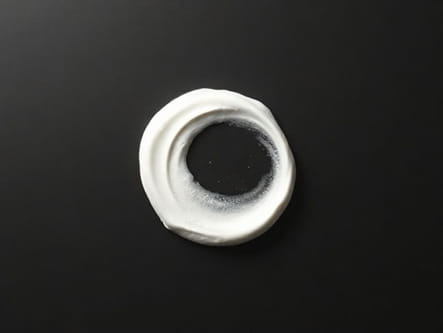
Urea cream is widely used in dermatology and skincare for its powerful moisturizing and keratolytic properties. It is often recommended for dry, rough, or thickened skin conditions such as eczema, psoriasis, calluses, and keratosis pilaris. While urea cream is effective at softening and hydrating the skin, some users report experiencing a chalky residue or white film after application. Understanding why this occurs, how it can be managed, and its overall safety is important for anyone incorporating urea cream into their skincare routine.
What Is Urea Cream?
Urea is a naturally occurring compound found in the outer layer of the skin, which helps maintain moisture and barrier function. Urea creams are formulated in concentrations ranging from 5% to 40%, depending on the intended use. Lower concentrations primarily act as moisturizers, while higher concentrations have keratolytic effects, breaking down thickened skin and promoting smoother texture.
Common Uses of Urea Cream
- Treatment of dry, rough skin
- Management of eczema and psoriasis
- Softening calluses and corns
- Reducing thickened skin in keratosis pilaris
- Enhancing skin absorption of other topical medications
Understanding the Chalky Residue
The chalky or white residue often observed after applying urea cream is not harmful, but it can be cosmetically unappealing. Several factors contribute to this effect
High Concentration Formulations
Urea creams with higher concentrations (20% or more) contain additional compounds such as emulsifiers and thickeners that can leave a visible film on the skin. The cream may not fully absorb immediately, creating a powdery or chalky appearance.
Insufficient Moisturization
If the skin is extremely dry or cracked, the cream may sit on the surface rather than penetrate, leading to a noticeable residue. Over-application can exacerbate this effect.
Environmental Factors
Humidity and temperature can influence how urea cream absorbs. In dry climates, the cream may dry quickly and leave behind a white layer. Similarly, using the cream over tight clothing or friction-prone areas can prevent complete absorption.
Tips to Reduce Chalky Residue
While the residue is harmless, it can be minimized with a few practical steps
- Apply a thin layer Using only the necessary amount allows better absorption and reduces residue.
- Massage gently Rubbing the cream into the skin in circular motions helps it penetrate more effectively.
- Use complementary moisturizers Layering with lighter, fast-absorbing creams or oils can improve overall skin texture and reduce chalkiness.
- Apply at night Overnight use allows the cream to fully absorb without interference from clothing or activity.
- Choose appropriate concentrations For everyday hydration, use lower concentrations to avoid excessive residue.
Benefits of Urea Cream Despite Residue
Even if a chalky residue appears, the benefits of urea cream often outweigh the cosmetic concern. Regular use can provide
- Improved skin hydration and barrier function
- Reduction of rough, dry patches
- Smoother texture and less scaling
- Enhanced absorption of other topical medications
Safety Considerations
Urea cream is generally safe for most individuals, but some considerations include
- Allergic ReactionsRarely, users may develop redness, itching, or irritation.
- Open WoundsAvoid applying on deep cuts or infections, as it can cause stinging.
- Eye ContactPrevent contact with eyes, as urea can cause irritation.
- Consult Healthcare ProvidersFor patients with sensitive skin or underlying conditions, professional guidance ensures safe and effective use.
Incorporating Urea Cream Into a Skincare Routine
To maximize benefits and minimize chalky residue, consider these strategies
- Apply after bathing Damp skin absorbs urea cream better, reducing surface residue.
- Pair with gentle cleansers Harsh soaps can strip moisture, decreasing the cream’s effectiveness.
- Follow with occlusive agents if needed Vaseline or petroleum jelly can lock in moisture without adding chalkiness.
- Be consistent Daily use ensures smoother, well-hydrated skin over time.
Urea cream is a highly effective treatment for dry, rough, or thickened skin, offering both moisturization and keratolytic benefits. While some users may notice a chalky residue, understanding the reasons behind it and implementing practical strategies can minimize this effect. The residue is not harmful and does not diminish the cream’s effectiveness. By choosing the right concentration, applying it properly, and maintaining a consistent skincare routine, individuals can enjoy the full benefits of urea cream without compromising comfort or appearance. Ultimately, urea cream remains a valuable tool in managing various skin conditions and promoting healthier, smoother skin.