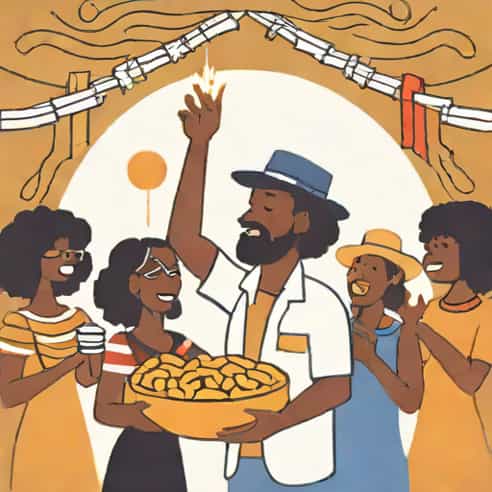
Juneteenth is a significant holiday in the United States that commemorates the end of slavery and celebrates African American freedom, heritage, and culture. Observed annually on June 19th, Juneteenth marks the day in 1865 when Union soldiers arrived in Galveston, Texas, to announce that all enslaved people were free, more than two years after President Abraham Lincoln issued the Emancipation Proclamation. The holiday is a time for reflection, education, and celebration of African American history and achievements. It has evolved over the years from local celebrations in Texas to a nationally recognized day of remembrance, emphasizing the importance of freedom, equality, and social justice.
Historical Background of Juneteenth
The history of Juneteenth dates back to the final months of the American Civil War. On June 19, 1865, Major General Gordon Granger and Union troops arrived in Galveston, Texas, with the announcement that the enslaved population was free under the Emancipation Proclamation, which had been issued by President Abraham Lincoln on January 1, 1863. Due to the isolation of Texas and the slow spread of information, many enslaved people had not yet heard of their freedom. The announcement marked a pivotal moment in American history, symbolizing the end of slavery in one of the last strongholds of the Confederate states.
The Emancipation Proclamation vs. Juneteenth
While the Emancipation Proclamation legally freed enslaved people in Confederate territories, its enforcement depended on Union control of the land. Juneteenth represents the actual enforcement of freedom in Texas, making it a powerful symbol of liberation. It reminds people that legal decrees alone are not always sufficient to achieve justice and that the struggle for equality and civil rights required persistent effort and vigilance.
Traditional Celebrations and Customs
Juneteenth celebrations often involve a combination of cultural, educational, and social activities that honor African American history and achievements. Traditional customs include parades, family gatherings, barbecues, musical performances, and public readings of the Emancipation Proclamation. These celebrations emphasize community, heritage, and the ongoing pursuit of social justice.
Common Juneteenth Activities
- Community gatherings and picnics to celebrate freedom and togetherness.
- Educational events and lectures highlighting African American history.
- Parades featuring music, dance, and cultural expressions.
- Reading and reflection on the Emancipation Proclamation.
- Religious services and prayers for freedom, justice, and equality.
Juneteenth and African American Culture
Juneteenth is more than a historical commemoration; it is a celebration of African American culture and resilience. The holiday showcases the achievements, creativity, and contributions of African Americans to society. From art and literature to music and cuisine, Juneteenth events highlight cultural pride and promote a sense of identity and belonging. It also provides an opportunity for African Americans to educate younger generations about the struggles and triumphs of their ancestors, reinforcing the importance of remembering history while celebrating progress.
Cultural Significance
- Preserves African American heritage and traditions.
- Promotes pride in cultural achievements and contributions.
- Encourages intergenerational education about history and social justice.
- Strengthens community bonds and social networks.
- Fosters recognition of African American resilience and perseverance.
Juneteenth’s Journey to National Recognition
Juneteenth has grown from local celebrations in Texas to a nationally recognized holiday. Over the years, advocates for civil rights and historical awareness worked to ensure that Juneteenth would be acknowledged across the United States. States gradually adopted Juneteenth as an official holiday, and on June 17, 2021, it was signed into federal law as a national holiday. This recognition highlights the importance of acknowledging the historical and cultural contributions of African Americans and ensuring that the legacy of freedom and equality is celebrated across the nation.
Significance of Federal Recognition
- National acknowledgment of the end of slavery in the United States.
- Promotion of educational programs about African American history.
- Encouragement of community celebrations nationwide.
- Strengthening of public awareness about civil rights and equality.
- Support for ongoing efforts to address social justice and systemic inequality.
Modern Observances and Community Impact
Today, Juneteenth is celebrated in a variety of ways, both in African American communities and beyond. Modern observances include public ceremonies, festivals, educational workshops, and social media campaigns that highlight the history and importance of the day. The holiday has become a moment for reflection, learning, and action toward greater social equality. Communities use Juneteenth as an opportunity to engage in dialogues about civil rights, equity, and the continued fight against racial injustice, linking historical remembrance to contemporary social issues.
Educational and Social Initiatives
- School programs and classroom discussions about slavery, emancipation, and civil rights.
- Workshops and seminars on African American contributions to politics, science, and the arts.
- Community service projects that promote social justice and equality.
- Storytelling events that pass down personal and family histories related to slavery and freedom.
- Media campaigns that highlight the significance of Juneteenth nationwide.
Juneteenth as a Symbol of Freedom and Progress
Juneteenth serves as a powerful symbol of freedom, resilience, and progress. It reminds the nation of the struggles endured by enslaved African Americans and celebrates the courage and determination that led to emancipation. The holiday emphasizes the ongoing journey toward equality and justice, inspiring individuals and communities to continue advocating for human rights. By celebrating Juneteenth, Americans of all backgrounds can reflect on the importance of freedom, the value of diversity, and the responsibility to uphold civil liberties for everyone.
Lessons from Juneteenth
- The importance of recognizing and addressing historical injustices.
- Encouraging empathy and understanding across communities.
- Promoting social equality and civil rights for all citizens.
- Celebrating cultural diversity and heritage as strengths of society.
- Inspiring civic engagement and awareness of social justice issues.
Juneteenth celebrates the liberation of enslaved African Americans, honors their resilience, and acknowledges their contributions to society. The holiday has evolved from local celebrations in Texas to a national observance that emphasizes freedom, equality, and cultural pride. Through educational programs, community events, and reflection on historical struggles, Juneteenth serves as a reminder of the enduring importance of civil rights and social justice. Understanding what Juneteenth celebrates helps individuals appreciate the significance of freedom and encourages active participation in promoting equality and respect for all members of society.