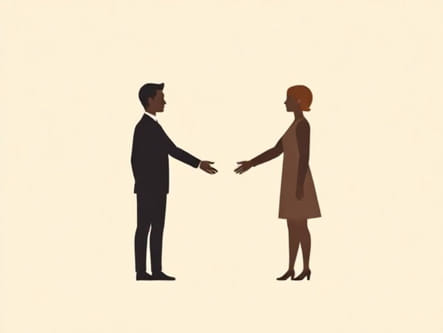
English is filled with words that carry nuanced meanings, often borrowed from other languages to express ideas with precision. One such word is rapprochement. While it might sound unfamiliar to some, this term plays an important role in diplomacy, politics, and even personal relationships. When we talk about rapprochement, we refer to the establishment or renewal of harmonious relations between two parties that were previously at odds. Understanding this word involves exploring its origin, significance, and application in modern English communication.
Definition of Rapprochement
The word rapprochement is a noun that signifies the re-establishment of friendly relations between individuals, groups, or nations after a period of conflict or tension. It is commonly used in diplomatic contexts to describe steps toward reconciliation, but it can also apply to personal relationships and organizational interactions. In simple terms, rapprochement means building bridges after division.
Etymology and Origin
Rapprochement comes from the French verbrapprocher, which means to bring closer. The prefix re- implies again, and approcher means to approach. The term entered English in the late 19th century, primarily used in discussions about international relations. Today, it maintains its original connotation of restoring closeness, whether between countries or individuals.
Examples of Rapprochement in Sentences
To better understand its usage, here are some practical examples
- The recent trade agreement marks a significant rapprochement between the two countries.
- After years of rivalry, the two companies entered into a rapprochement to pursue joint ventures.
- Family rapprochement occurred when the siblings reunited after decades of estrangement.
As these examples show, the term can be applied to various situations involving reconciliation or improved relations.
Synonyms and Related Words
Several words are closely related to rapprochement, although each has slight differences in meaning. Some common synonyms include
- ReconciliationThe act of restoring harmony, often used in personal or political contexts.
- ReunionComing together after separation, usually applied to families or friends.
- AccordA formal agreement between parties.
- HarmonyPeaceful and cooperative relations.
- DetenteA French-derived term specifically used for easing tensions in political relations.
While these terms share similarities, rapprochement often implies a deliberate and diplomatic process of improving relationships.
Common Contexts Where Rapprochement Is Used
The term appears frequently in several contexts
- International DiplomacyFor example, rapprochement between the United States and China in the 1970s signaled a major shift in global politics.
- Business PartnershipsCompanies in competition may seek rapprochement through mergers or collaborations.
- Personal RelationshipsEstranged friends or family members may experience rapprochement after years apart.
- Cultural ExchangeCountries may promote rapprochement through art, education, and tourism initiatives.
Importance of Rapprochement
Rapprochement is more than just a fancy word; it represents an essential concept for peace, progress, and mutual understanding. Here are a few reasons why it matters
- Conflict ResolutionIt helps transform hostility into cooperation.
- Economic GrowthPolitical rapprochement often opens doors to trade and investment opportunities.
- Social HarmonyIn personal relationships, it brings emotional healing and strengthens bonds.
Historical Examples of Rapprochement
Some famous instances highlight the power of rapprochement in shaping history
- U.S.-China Rapprochement (1972)President Nixon’s visit to China marked a major thaw in relations after decades of hostility.
- France and Germany after World War IITheir rapprochement paved the way for the European Union and long-term peace in Europe.
- North and South KoreaPeriodic rapprochement efforts have aimed to reduce tensions and foster dialogue on the Korean Peninsula.
These examples illustrate how rapprochement can transform international dynamics and promote peace.
How to Use Rapprochement in Modern English
Though rooted in diplomatic language, rapprochement can be used in various everyday contexts. Here are some practical tips
- Formal WritingIdeal for essays, reports, or topics discussing politics, business, or history.
- Personal CommunicationIt can describe reconciliations in relationships, though it sounds more formal than casual terms like making up.
- Avoid OveruseBecause it has a formal tone, using it sparingly ensures it retains its impact.
Psychological Perspective on Rapprochement
In psychology, rapprochement can refer to a stage in child development, particularly in psychoanalytic theory. It describes the phase where a toddler seeks closeness after asserting independence. This shows how the term also carries implications beyond diplomacy, extending to human behavior and relationships.
Challenges in Achieving Rapprochement
While the concept is appealing, implementing rapprochement is often complex due to
- MistrustPast conflicts create skepticism about intentions.
- Power ImbalancesNegotiations can fail if one party feels disadvantaged.
- Cultural BarriersMisunderstandings between different cultural backgrounds can hinder progress.
Overcoming these challenges requires patience, empathy, and mutual compromise.
Cultural and Linguistic Significance
Rapprochement retains its French pronunciation in English, which adds a sense of elegance and formality. This reflects how English often borrows foreign terms to express complex ideas succinctly. Knowing such words not only improves your vocabulary but also enriches your ability to communicate nuanced concepts.
Practical Ways to Foster Rapprochement
Whether at the personal or international level, rapprochement requires effort. Here are some practical strategies
- Open DialogueHonest conversations lay the foundation for trust.
- Mutual RespectRecognizing the other party’s perspective is key to reconciliation.
- Shared GoalsFinding common interests helps bridge gaps.
- ConsistencySustained efforts, rather than one-time gestures, ensure lasting rapprochement.
Rapprochement in English means the renewal or establishment of friendly relations after a period of conflict or estrangement. Originating from French, this term carries a formal tone and is widely used in diplomacy, business, and even personal relationships. Its significance lies in promoting harmony, cooperation, and understanding in a world often marked by division. Whether between nations seeking peace or individuals mending broken ties, rapprochement reminds us of the value of reconciliation. By understanding and using this term appropriately, we not only enrich our vocabulary but also appreciate the importance of building bridges where walls once stood.